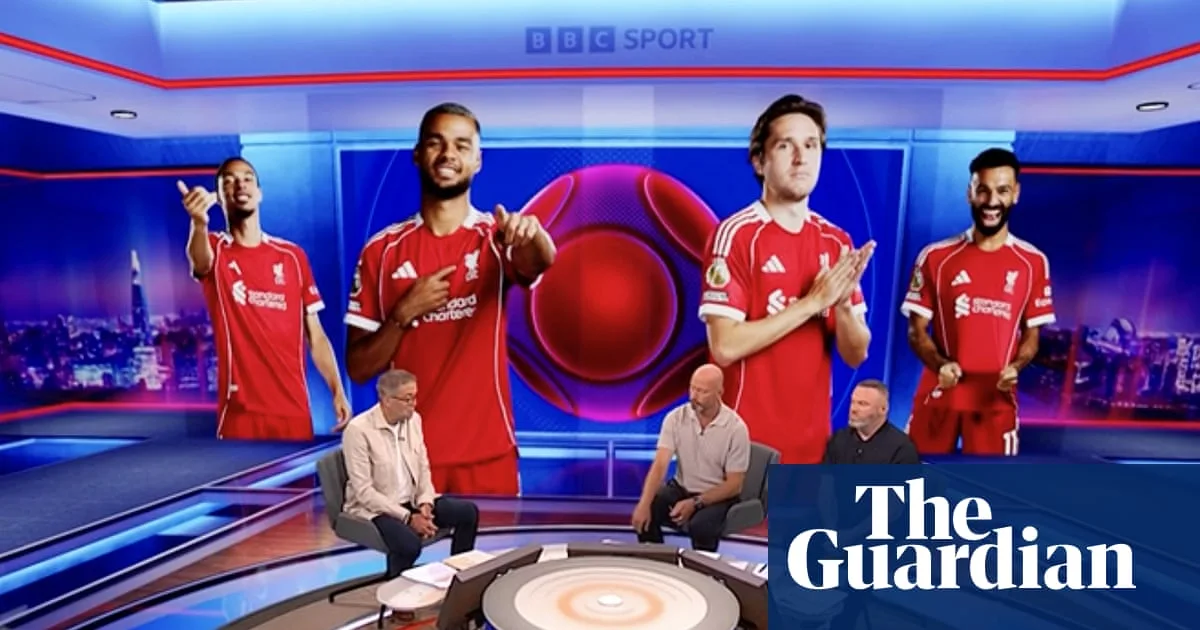
Match of the Day (MOTD) has seen a significant increase in overall viewing figures this season, driven by the BBC's new digital strategy. While traditional linear viewing of the Saturday and Sunday evening highlights programmes fell by 770,000 to an average of 6.88 million weekly views last month compared with December 2024, the show gained 1.52 million viewers by making highlight clips available on iPlayer and the BBC website at 8pm on Saturdays for the first time.
Combined viewing figures for MOTD on iPlayer, including evening programmes and highlights clips, reached 61.9 million by the end of December, a sharp rise from 45.4 million in the same period last season. Digital consumption of MOTD has nearly doubled since the 2022-23 season, when the total was 33.1 million by December.
The BBC launched the 8pm digital highlights at the start of a new four-year Premier League deal in August, describing it as a "gamechanging way to stay immersed in the action." The corporation's sports team has increasingly invested in clip rights, signing highlights deals with La Liga and the Bundesliga this season.

The 10% drop in linear viewing figures for MOTD's Saturday and Sunday evening programmes on BBC One and BBC Two follows the departure of Gary Lineker as Saturday presenter last summer after 26 years. The BBC did not appoint a direct replacement, with Mark Chapman, Gabby Logan and Kelly Cates sharing presenting duties.
The BBC declined to comment, but sources said the decline in linear viewers was consistent with broader trends in live television. It was not possible to obtain MOTD viewing figures for the Saturday programme in isolation, making it difficult to assess the impact of Lineker's departure.