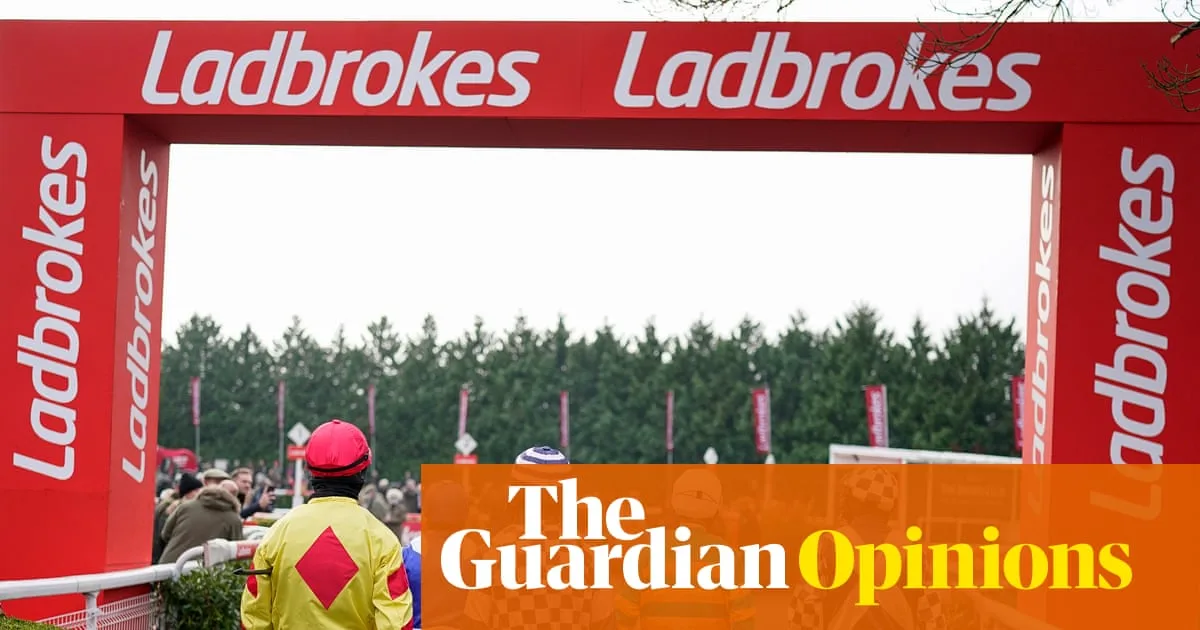
British horse racing is set for an unprecedented strike on 10 September, with the cancellation of meetings at Kempton, Lingfield, Carlisle and Uttoxeter. The action highlights fears that government plans to harmonise duty rates for online betting and casino-style gaming could cost the sport between £66m and £160m a year, according to modelling commissioned by the British Horseracing Authority.
The Betting and Gaming Council (BGC), which represents the betting industry, has responded sharply. It said the decision to cancel fixtures was taken without consulting operators, whose support for racing's funding is 'mission critical'. Michael Dugher, the BGC's chair, described the strike as a 'futile political gesture' likely to antagonise the government and frustrate punters. Writing in the Racing Post, he warned that increased costs would be passed on to the sport and to bettors through worse odds, fewer offers and less generous promotions.
Dugher also argued that betting on horses is not purely a game of skill, noting that many punters back a horse because they like its name or colours, and that 150-1 shots occasionally win top-level races. However, the sport's supporters maintain that skill is an essential element in judging a horse's chance against its price, and that the complete absence of skill in gaming is a fundamental distinction between the two.
The clash over the strike lays bare the opposing interests of racing and the gambling industry. The BGC calls for no change to the current duty structure of 15% on betting and 21% on gaming, but the Treasury has already consulted on harmonisation and is widely expected to raise taxes. Racing's best-case scenario, according to the BHA's modelling, would be a modest increase in betting duty alongside reform of the Levy, combined with a significant rise in gaming duty to reflect the increased risk of gambling-related harm.
For the gambling industry, harmonisation at either 21% or 25% would be seen as a highly favourable outcome, while for racing any harmonisation is the worst case, as it would cut income and strengthen the incentive for operators to prioritise gaming over horse race betting. With the autumn budget approaching, the battle lines are firmly drawn.