Geopolitical Turmoil Casts Shadow Over T20 Cricket World Cup in South Asia
Geopolitical Drama Threatens T20 Cricket World Cup (10.02.2026)

Geopolitical Storm Engulfs Cricket's Premier Tournament

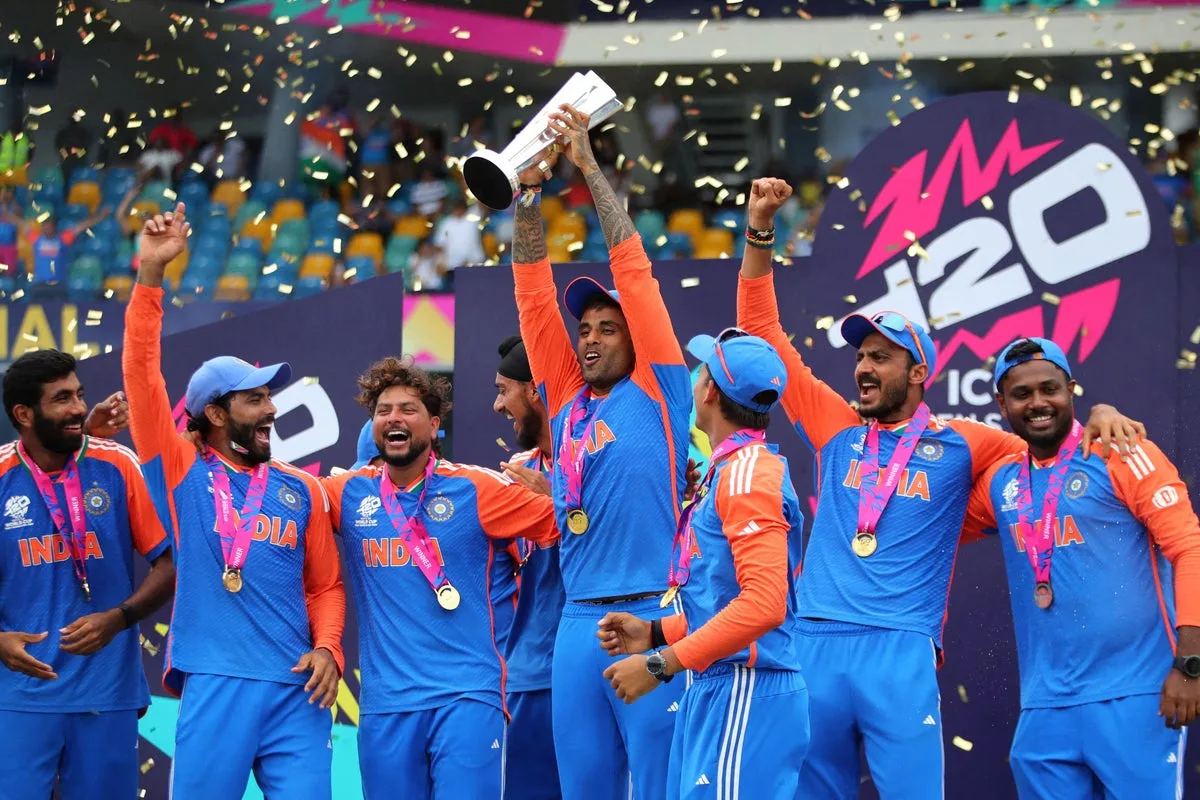
The T20 Cricket World Cup, cricket's most profitable event, commenced on 7 February 2026 in a significantly diminished state, overshadowed by a complex web of diplomatic disputes among South Asian nations. The tournament, co-hosted by India and Sri Lanka, began without a major qualifying nation and faced uncertainty over its most anticipated fixture, as geopolitical tensions collided with the world of sport.

Bangladesh's Expulsion and Pakistan's Initial Boycott

The crisis erupted when Bangladesh withdrew from the tournament after being expelled by the International Cricket Council (ICC). The Bangladesh Cricket Board (BCB) had refused to play its scheduled matches in India, citing security concerns for its team and fans amid escalating political tensions with Delhi. The BCB requested that all Bangladesh fixtures be moved to co-hosts Sri Lanka, a demand the ICC rejected on grounds of an "absence of any credible security threat."

When Bangladesh failed to confirm participation within a 24-hour deadline, Scotland was invited to take the vacant spot. The ICC stated it aimed to avoid setting "precedents that could undermine the neutrality and fairness of ICC events."

In solidarity with Bangladesh, Pakistan initially announced it would boycott its highly anticipated match against arch-rivals India, scheduled for 15 February in Colombo. This fixture historically represents the most-watched and commercially valuable match in global cricket, attracting over 600 million viewers during last year's Champions Trophy.

Political Backdrop and Diplomatic Strains

The tensions stem from dramatically deteriorated relations between India and Bangladesh over the past 18 months. Street protests toppled the Sheikh Hasina regime in 2024, compelling the former prime minister, an Indian ally, to flee to Delhi. India has ignored Dhaka's extradition requests for Hasina, who has been convicted of crimes against humanity in Bangladesh.

Since Hasina's government collapsed, India and India-based rights groups have repeatedly raised concerns about the safety of Bangladesh's Hindu minority. In December, a Hindu man accused of blasphemy was beaten to death by a mob, triggering protests by Hindu nationalist groups in India.

Against this backdrop, the Indian Premier League franchise Kolkata Knight Riders released Bangladeshi fast bowler Mustafizur Rahman in January after being instructed by the Board of Control for Cricket in India (BCCI). Bangladeshi authorities responded by banning IPL broadcasts, and the BCB renewed its request to shift matches out of India.

Pakistan's Reversal and Ongoing Tensions

The Pakistani government reversed its boycott on Monday, clearing the way for the India-Pakistan match to proceed. However, the initial boycott reflected long-standing grievances about how world cricket is governed, with former PCB chairman Najam Sethi accusing the BCCI of using its influence to dominate decision-making.

Sethi linked Pakistan's position to wider opposition to the so-called Big Three arrangement, under which India, Australia, and England receive the majority of ICC revenue. "It's the attitude of the BCCI, that's the problem. At every stage, they've been bullying people," he said, recalling failed negotiations during former BCCI chairman N Srinivasan's tenure.

Historical Context and Cricketing Relations

Cricketing ties between India and Pakistan have been shaped by decades of conflict. The neighbors have not played a bilateral series since 2013, and India has not toured Pakistan since 2008. Pakistan did not host any touring nations between 2009 and 2019 following an attack on Sri Lanka's team bus in Lahore.

Last year, India refused to travel to Pakistan for the Champions Trophy, eventually playing matches in the UAE. This led to an agreement stating that when either country hosted an ICC event, matches between them would be held at neutral venues.

Tensions escalated further after a four-day military conflict in April, sparked by a militant attack on tourists in Indian-administered Kashmir. During September's Asia Cup, Indian captain Suryakumar Yadav declared his team's victory over Pakistan was a "perfect reply" to their rivals, with Indian players skipping post-match handshakes.

ICC's Response and Financial Implications

The ICC responded to Pakistan's initial position by calling it "difficult to reconcile" with global competition principles. "Selective participation undermines the spirit and sanctity of the competitions," the governing body stated, warning of "significant and long-term implications for cricket in its own country."

Cricket analysts warn that financial implications of an India-Pakistan no-show would be severe. Former ICC media head Sami Ul Hasan noted: "The biggest hit, if the biggest game of the tournament doesn't take place, will come from media rights," with losses affecting all member boards.

Player Perspectives and Tournament Impact

Players have largely deferred to governments and administrators. Pakistan captain Salman Ali Agha said the initial boycott was beyond the team's control, while Indian captain Yadav confirmed his team would travel to Colombo as scheduled.

Scotland, promoted into the tournament under unusual circumstances, faces challenging preparations. Captain Richie Berrington acknowledged: "It's been unique circumstances for us. Preparations have been different than other teams."

Historical Precedents and Governance Concerns

There is precedent for teams refusing to play in ICC events. Australia and the West Indies declined to travel to Sri Lanka during the 1996 World Cup, while England refused to play Zimbabwe in 2003, citing security concerns. Those teams forfeited matches but were not fined.

However, the ICC constitution allows for sanctions where governments interfere in cricket administration, requiring boards to operate autonomously. Zimbabwe was suspended in 2019 on account of government intervention, and Sri Lanka lost hosting rights for an Under-19 World Cup four years later following board dismissal.

Tournament Proceeds Amid Uncertainty

As the T20 World Cup gets underway, the ICC says its priority is tournament delivery while calling on all members to protect its integrity. The World Cup began on 7 February and will conclude on 8 March, with the geopolitical drama threatening to overshadow cricket's premier event.

Former England captain Nasser Hussain questioned whether the ICC had applied its rules consistently, asking: "If India, a month before a tournament, said 'our government does not want us to play in a country for a World Cup', would the ICC have been so firm?"

The situation remains fluid, with the potential for further developments as the tournament progresses and political dynamics continue to evolve across South Asia.