Football's Persistent Racism Problem Demands Immediate Action from Governing Bodies
Racism continues to plague football like an incurable disease, with recent incidents highlighting the urgent need for stronger measures from the sport's highest authorities. In 2026, the lack of progress is deeply disheartening, as discrimination persists despite widespread condemnation.
Vinicius Jr's Stark Accusation Against Benfica Player
During a Champions League match between Benfica and Real Madrid in Lisbon, Brazilian star Vinicius Jr alleged that Benfica's Gianluca Prestianni used racist language towards him. Vinicius Jr took to social media to express his frustration, stating, "Racists are, above all, cowards, but they have the protection of others who, theoretically, have an obligation to punish them. Nothing that happened is new in my life, or in my team's life." This comment directly criticises FIFA and UEFA for their failure to effectively combat racism in football.
UEFA's Investigation and Infantino's Response
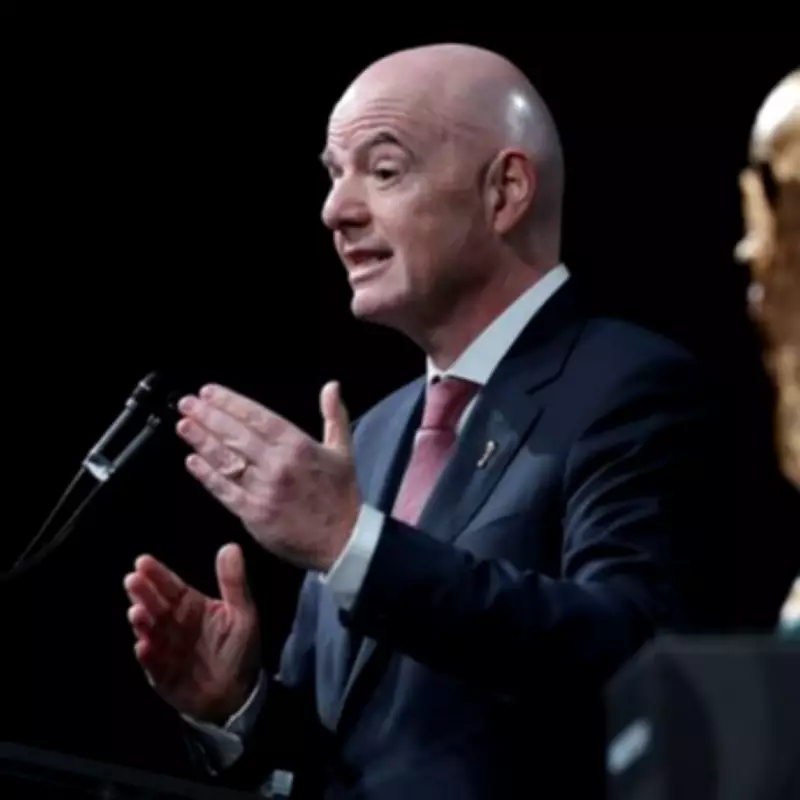
UEFA has launched an investigation into the events in Lisbon, while FIFA president Gianni Infantino claimed to be "shocked and saddened" by the allegations. However, many question why Infantino expresses surprise, given that racism is a recurring issue in the sport. If he is genuinely concerned, why does he not leverage his significant power to implement deterrent punishments?

Current sanctions such as fines, bans, and stadium closures have proven ineffective. Racism is a global societal problem that manifests in football, and while governing bodies cannot control external factors, they have the authority to hold racists accountable within the sport.
Proposed Harsher Sanctions to Combat Discrimination
To make a real impact, football authorities must introduce more severe penalties, including:
- Lifetime bans for players found guilty of racist behaviour
- Relegation of clubs involved in discriminatory incidents
- Expulsion of teams from competitions
- Compulsory educational courses for offenders
If a player is convicted of racism, they should face dismissal from their club. Such drastic measures might finally make individuals reconsider engaging in discriminatory acts.
Controversial Reactions from Mourinho and Clattenburg
Benfica manager Jose Mourinho suggested that Vinicius Jr provoked the alleged racist attack with his goal celebration, a statement widely condemned as irresponsible. Similarly, commentator Mark Clattenburg criticised Vinicius Jr for the incident. These responses set a poor example, especially from high-profile figures who should promote positive values in football.
As the world's most popular sport, football has a responsibility to educate people on right and wrong. The pressure is now on UEFA to conduct a thorough investigation and impose appropriate punishments if wrongdoing is confirmed. Historically, UEFA's record on tackling racism has been weak, underscoring the need for systemic change at the top levels of the sport.
Hope remains that the fight against racism will continue, but without significant reform from football's governing bodies, the situation is unlikely to improve. The time for action is now, before another generation of players endures the same injustices.