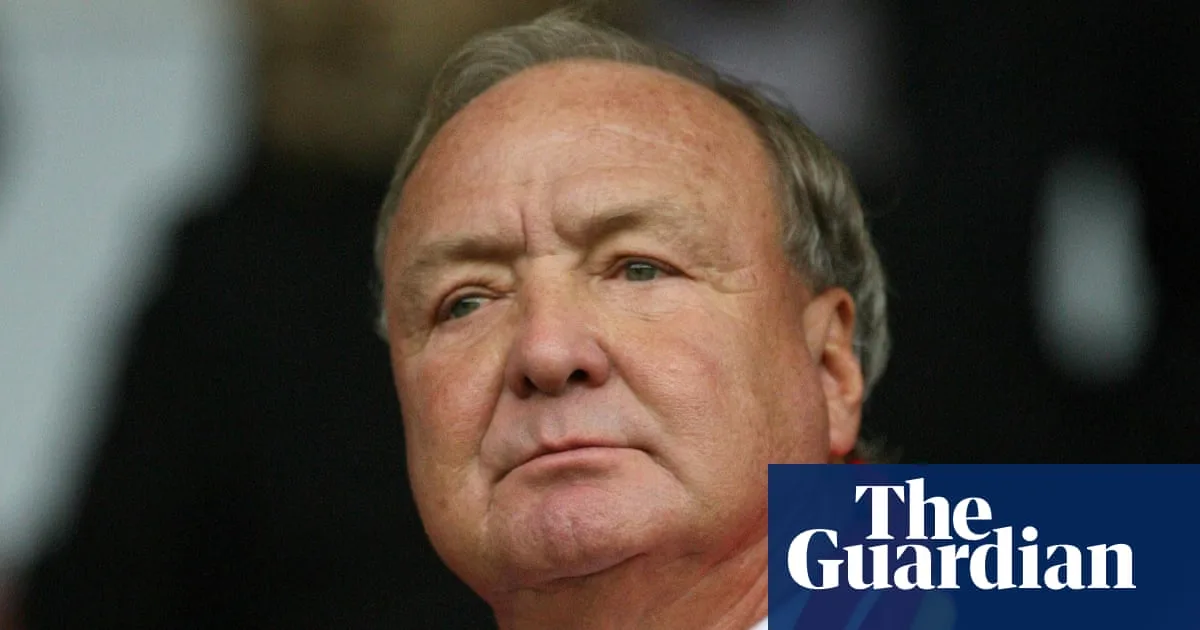
Tom Hicks, the American businessman whose turbulent co-ownership of Liverpool Football Club became a defining and controversial chapter in the club's history, has died at the age of 79.
His passing was confirmed by a spokesperson for his family. Hicks, a prominent figure in private equity and sports ownership in the United States, passed away on Sunday in Dallas, Texas, following a prolonged illness.
A Tumultuous Reign at Anfield
Hicks, alongside fellow American George Gillett, purchased Liverpool in a leveraged buyout in February 2007. Their arrival was initially met with optimism, promising a new era and the swift construction of a new stadium. However, the partnership quickly soured, leading to one of the most dysfunctional periods in the club's modern history.
The relationship between the two owners broke down publicly, with the pair feuding over strategy and finances. Their tenure was marked by significant fan protests, managerial instability, and a crippling debt burden placed on the club itself. The infamous £350 million of debt loaded onto Liverpool's books became a millstone, restricting transfer activity and threatening the club's very existence.
Their time in charge culminated in a high-stakes legal battle in 2010. The Royal Bank of Scotland, the club's major creditor, sought to force a sale. Hicks and Gillett attempted to block the £300 million sale to New England Sports Ventures (NESV), the parent company of the Boston Red Sox led by John W. Henry. The case went to the High Court in London, where the judge ruled against the incumbent owners, paving the way for the takeover by NESV, which saved Liverpool from the brink of administration.
Legacy in Baseball and Business
Prior to his foray into English football, Hicks was a significant figure in Major League Baseball. He purchased the Texas Rangers in 1998 and was the owner when the team secured record-breaking television deals. It was during his ownership that the Rangers signed the landmark 10-year, $252 million contract with star shortstop Alex Rodriguez in 2000, a deal that reshaped baseball's financial landscape.
He also owned the Dallas Stars ice hockey team, leading them to their first and only Stanley Cup victory in 1999. His business empire, Hicks Holdings, had vast interests across sports, media, and real estate. However, the financial crisis of 2008 hit his holdings hard, contributing to the distress of his Liverpool venture.
Reaction and Aftermath
The news of his death has been met with mixed reactions, reflecting the complexity of his legacy. Many Liverpool supporters will forever associate him with a period of deep anxiety and underachievement on the pitch, a stark contrast to the success that followed under Fenway Sports Group.
In a statement, his family remembered him as a "visionary" in business and a dedicated family man. They highlighted his philanthropic efforts, particularly in education and healthcare in Texas. Despite the controversies of his later career, his impact on the sports business world, for better and worse, remains undeniable.
Tom Hicks's story serves as a cautionary tale in the high-stakes world of sports ownership, illustrating how leveraged debt and internal conflict can endanger even the most historic of institutions. His passing closes a contentious chapter, but the memories of that era continue to influence how football clubs and their finances are perceived today.