Broadcasting giant ESPN has found itself at the centre of a fierce backlash after airing a controversial interview with NFL Hall of Famer Tony Dorsett, who has been publicly battling the degenerative brain condition CTE for over a decade.
The Controversial Broadcast
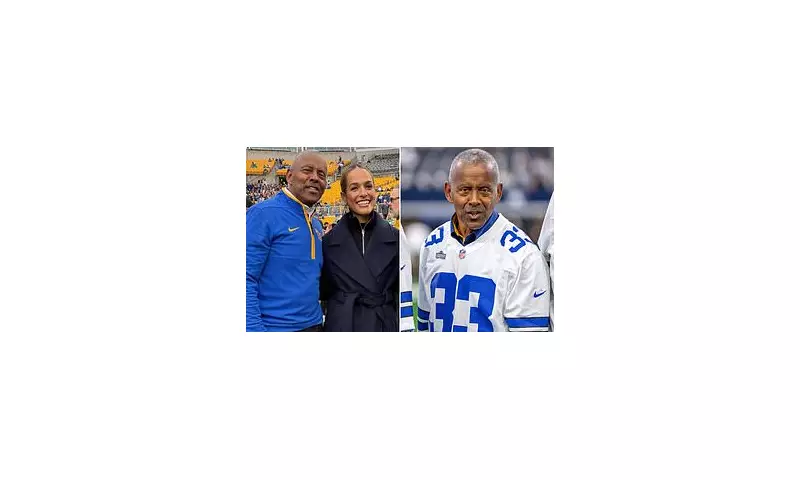
The incident occurred during ESPN's College GameDay programme, which was broadcasting from the University of Pittsburgh's game against Notre Dame on Saturday. Dorsett, a former Heisman Trophy winner and Super Bowl champion with the Dallas Cowboys, was being honoured by his alma mater.
During the pre-game coverage, reporter Jess Sims conducted a sideline interview with the football legend. The conversation quickly turned distressing as Dorsett visibly struggled, losing his train of thought on multiple occasions during the exchange with Sims.
Public Reaction and Outrage
The interview swiftly went viral, but for all the wrong reasons. Viewers unaware of Dorsett's long-standing health condition took to social media to post vile accusations, with some cruelly suggesting the NFL icon was drunk.
This prompted widespread condemnation from those familiar with Dorsett's health battle. The running back was diagnosed with signs of Chronic Traumatic Encephalopathy (CTE) back in 2013, a degenerative disease linked to repeated head trauma that can cause depression, dementia, memory loss, and mood swings.
Prominent sports journalist Jeff Pearlman led the criticism, branding ESPN's decision to broadcast the interview as "pretty f***ing shameful". Pearlman questioned why either Pitt officials or ESPN producers allowed the segment to proceed, given Dorsett's well-documented cognitive challenges.
"Why does ESPN not know that Tony Dorsett has cognitive issues?" Pearlman demanded. "I've never even interviewed Tony Dorsett, and I know he has cognitive issues just from reading over the years."
A Broader Problem in Sports Media
The controversy highlights ongoing concerns about how media organisations handle interviews with athletes suffering from long-term health conditions related to their sporting careers.
Pearlman emphasised the heartbreaking nature of the situation, stating: "I don't think there's any justification for ESPN interviewing a guy who's been ravaged by memory loss and decreased cognitive skills for whatever reason."
Despite the difficult interview with Sims, it's worth noting that Dorsett had earlier appeared on the ACC Network pregame show without any reported issues. This contrast underscores the unpredictable nature of living with CTE and similar conditions.
The incident serves as a stark reminder of the devastating long-term consequences of head trauma in contact sports and raises important questions about media responsibility when covering athletes with degenerative neurological conditions.