German Football Official Urges England and Scotland to Consider World Cup Boycott Over Trump Actions
England Told to Consider World Cup Boycott Over Trump

German Football Official Calls for World Cup Boycott Discussion Over Trump Actions

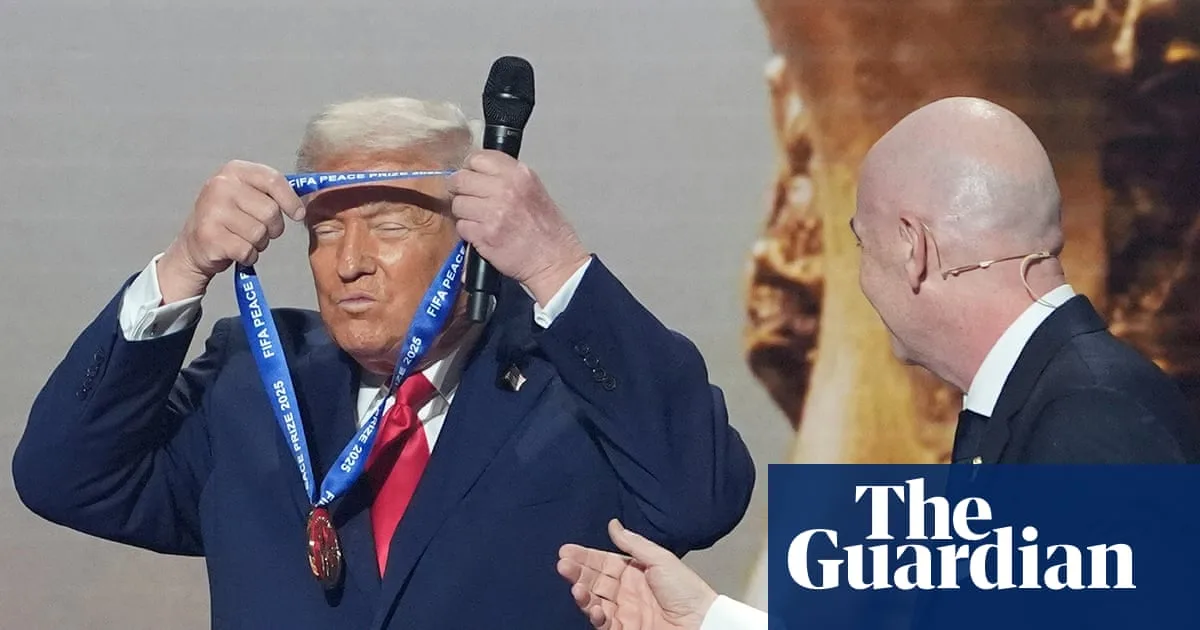
A senior German football official has made a significant intervention ahead of this summer's World Cup, urging participating nations including England and Scotland to seriously consider a potential boycott of the tournament. The call comes in response to the ongoing controversial actions of United States President Donald Trump, whose administration is co-hosting the 2026 event alongside Canada and Mexico.

Trump's Controversial Moves Spark International Outrage

The German official's statement directly references President Trump's highly contentious takeover attempt of Greenland, which remains a territory of Denmark. This geopolitical move has caused substantial outrage across European nations, with Trump further escalating tensions by threatening to impose tariffs on eight European countries that opposed the Greenland acquisition.

Oke Gottlich, who serves as president of Bundesliga club St Pauli and holds one of the German football federation's ten vice-presidential positions, has been particularly vocal in his criticism. "The time has come" for serious discussion about a boycott, Gottlich declared, drawing historical parallels to Olympic Games boycotts in the 1980s.

Wide Pickt banner — collaborative shopping lists app for Telegram, phone mockup with grocery list

Historical Context and Political Stance

Gottlich pointedly questioned the football community's current stance, noting that "Qatar was too political for everyone and now we're completely apolitical?" This reference to the German federation's previous criticism of the 2022 World Cup in Qatar underscores what he perceives as inconsistency in addressing political dimensions of major tournaments.

The German official expressed deep concern about what he views as society's diminishing ability to establish and defend boundaries. "We're forgetting how to set taboos and boundaries, and how to defend values," Gottlich stated, questioning at what point actions by World Cup hosts should be considered unacceptable.

Additional Tournament Concerns Beyond Politics

Beyond the political dimensions, Gottlich's comments come amid growing concerns about the tournament's accessibility. Supporters from various nations face significant obstacles including:

  • Sky-high ticket prices that threaten to price out ordinary fans
  • A travel ban imposed by the Trump administration preventing supporters from certain nations from attending
  • Questions about the tournament's overall affordability and accessibility

International Response and Tournament Participation

France's sports minister Marina Ferrari has acknowledged the situation, refusing to rule out future consideration of a boycott should tensions continue to escalate. "I am not prejudging what might happen," she told reporters, indicating that while no boycott is currently planned, the situation remains fluid.

England and Scotland have already secured their places at the tournament, with the Republic of Ireland and either Wales or Northern Ireland potentially joining them. The political dimensions of this discussion are particularly relevant for St Pauli, Gottlich's club, which has a historically left-wing fanbase and reputation for mixing sport with political activism.

Broader Implications for International Sport

Gottlich framed his argument in moral terms, stating that "the life of a professional player is not worth more than the lives of countless people" affected by actions of World Cup host nations. This positions the debate as extending beyond mere sporting competition to encompass broader ethical considerations about international relations and human values.

The German official's intervention represents one of the most significant political challenges to the 2026 World Cup organization to date, raising fundamental questions about how international sporting events should respond to geopolitical controversies involving host nations.

Pickt after-article banner — collaborative shopping lists app with family illustration