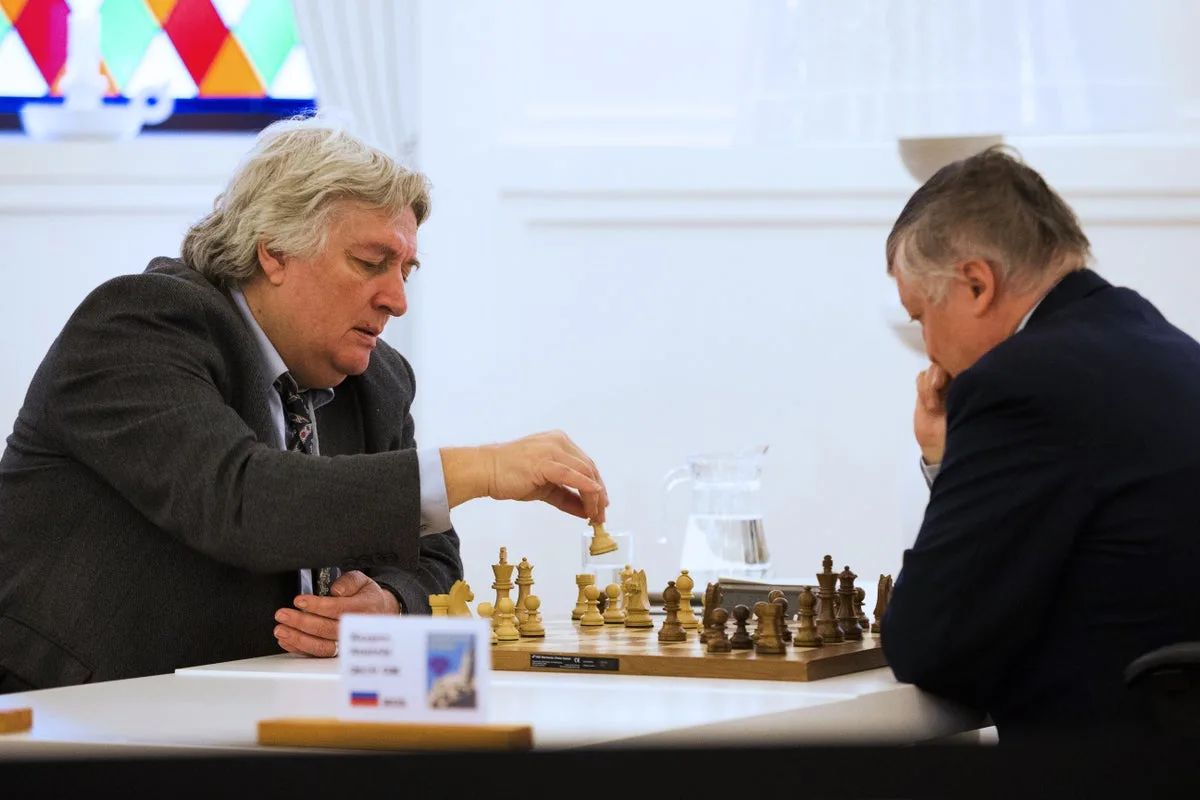
Dutch Chess Icon Jan Timman Passes Away at 74
The chess world is mourning the loss of one of its most distinguished figures. Jan Timman, the celebrated Dutch grandmaster famously known as 'the best of the West' during the era of Soviet chess supremacy, has died at the age of 74. The Dutch Chess Federation formally announced his passing on Thursday, February 19, 2026.
A Storied Career and World Championship Contender
Timman's illustrious career was marked by extraordinary achievements. He secured the title of Dutch Chess Champion an impressive nine times, dominating the national scene for decades. His global prominence peaked in 1982 when he ascended to the number two position in the world rankings, positioned directly behind the formidable Soviet champion, Anatoly Karpov.
The pinnacle of his competitive journey arrived in 1993. Following a schism in the chess world after champion Garry Kasparov's split from FIDE, Timman contested the final of the Candidates Tournament against Karpov for the world championship title. Although he ultimately lost the match with a score of 12.5 to 8.5, this period solidified his status as the strongest non-Soviet player of his generation.
International Tributes and Lasting Legacy
The International Chess Federation (FIDE) issued a heartfelt statement expressing profound sadness. "We are deeply saddened by the passing of Jan Timman (1951–2026), one of the greatest figures in Dutch and international chess," the statement read. It praised him as a World Championship contender admired for his creative style, profound strategic understanding, and indomitable fighting spirit.
Beyond his prowess at the chessboard, Timman made significant contributions to chess culture. He was a respected author of several chess books and served as the longtime editor of the influential magazine New In Chess. Among his notable literary works is a study dedicated to Max Euwe, the Netherlands' sole world chess champion.
The Bohemian Grandmaster's Reflections
In a revealing 2023 interview with the Dutch newspaper NRC, Timman reflected on his career with characteristic candor. He expressed a tinge of regret at never clinching the world number one spot but admitted he was unwilling to sacrifice his distinctive lifestyle for it.
"I would not choose chess as my profession these days," Timman remarked, contrasting his era with the modern game. "They just sit behind computers all day. It's not just traveling around and having a fun life, like I did. It was a hippie life, but with a purpose."
Following his 1993 championship defeat, his top-level competitive career gradually receded, with his final national championship victory occurring in 1996. However, his legacy as a creative force, a strategic mind, and a cultural contributor to chess remains firmly etched in the annals of the game's history.
The chess community extends its deepest condolences to his family, friends, and all who were inspired by his remarkable journey and contributions.