Dartitis: The Hidden Hand Freeze Threatening Darts Careers
Darts' Dartitis Crisis: Players Battle Hand Freeze

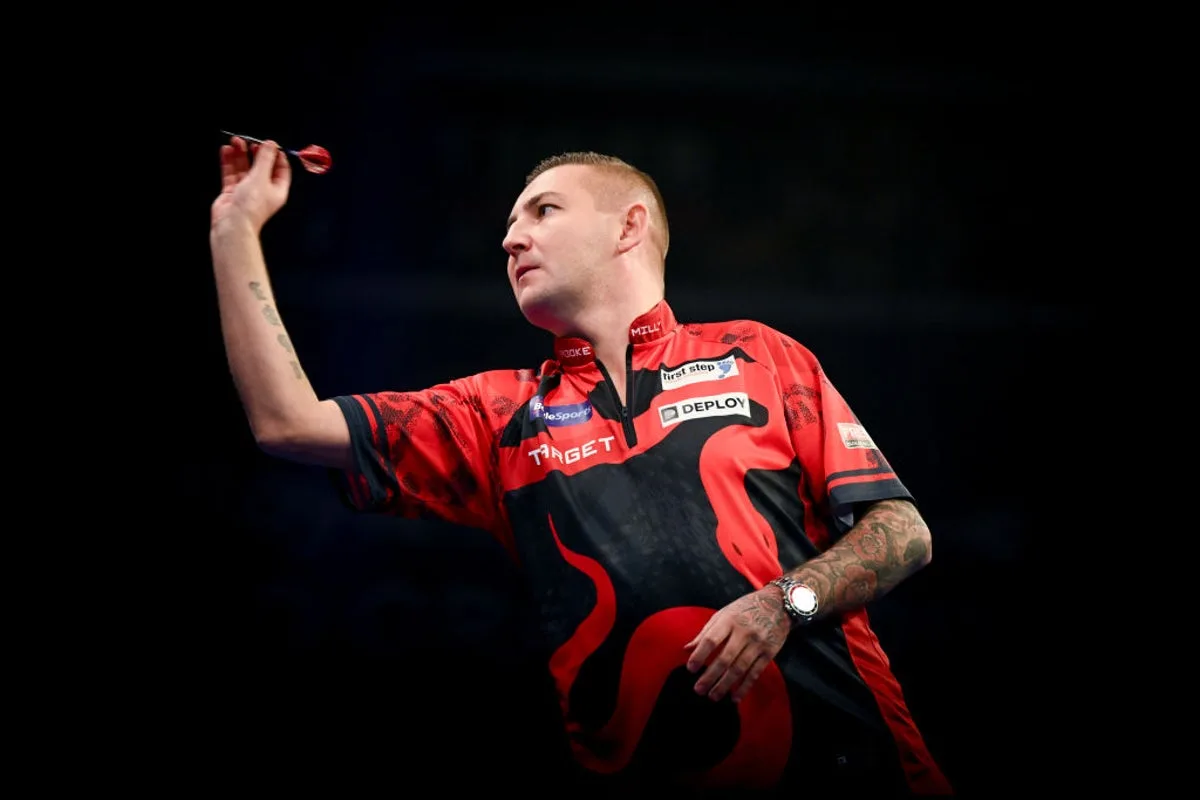
The world of professional darts is grappling with a silent but devastating opponent that has nothing to do with a rival on the oche. Known as Dartitis, this psychological condition sees players physically unable to release their dart, a phenomenon that has afflicted some of the sport's biggest names and threatens careers.

What is Dartitis and Who Has Suffered?

The issue was thrust into the spotlight in late October when former World Championship semi-finalist Scott Williams faced Ryan Joyce at Players Championship 33. While Joyce won the match, the post-game discussion centred on Williams's visible struggle to let go of his darts. Williams later revealed he had been battling Dartitis for a month prior. "As soon as it came on and it was out there people texted me treating it like it was cancer," Williams said after a recent World Championship win. "I'm OK, I'm fine and I'm going to get over it."

Dartitis is a complex condition often linked to performance anxiety, a neurological response, or an overwhelming desire for perfection, which causes a player's hand to freeze. Williams is far from alone. World Championship runner-up Gian van Veen has spoken openly about his fight with the "hidden problem". Two-time semi-finalist and major champion Nathan Aspinall has battled it since 2023, while rising star Beau Greaves and the late legend Eric Bristow have also experienced it.

The Personal and Professional Toll

For those affected, the impact extends far beyond a lost leg or match. Darts influencer Jack, known as The Darts Referee, was forced to switch to throwing left-handed. "I have had no issues left-handed and hopefully that stays how it is or I'll have to start using my feet or something," he explained. He describes a mental block where his brain refuses to let his arm execute the throw, stemming from a drive to be perfect.

The biggest challenge isn't just the inability to perform; it's the profound embarrassment and pressure. "You didn't want to play because you knew they were behind you," Jack continued, noting the fear of letting down teammates and even becoming a safety risk after one errant dart nearly hit a chalker. While some, like Van Veen who recently won £400,000, manage to succeed despite it, for others like Mark Webster or Berry van Peer, it can effectively end a career.

No Clear Cure and a Call for Awareness

Despite players working with psychologists, there is no definitive cure for Dartitis, and a solution does not appear imminent. The lack of understanding fuels fear and sometimes leads to misdiagnosis of simple poor form. "The awareness needs to be there, but people need to stop blaming dips in form on it," Jack warns, highlighting the pressure on young players from parents and clubs as a potential trigger.

As prize money and profiles in darts soar, the shadow of Dartitis looms larger. The sport now faces a crucial challenge: increasing genuine understanding of this debilitating condition to better support its athletes, whose livelihoods and mental well-being are on the line every time they step up to the throw line.