The 2025 season will be remembered as one of the most tumultuous in Celtic's recent history. A staggering 17 defeats across all competitions sparked fury among supporters, with some even entertaining dark conspiracy theories of deliberate sabotage by the club's hierarchy. While such claims are extreme, the sheer scale of the collapse, from a position of strength, has left fans questioning the competence of those in charge at Celtic Park.
A Meteoric Rise and a Catastrophic Fall
The roots of the crisis lie in a period of apparent promise. The summer of 2024 saw Celtic break their transfer record twice to sign Adam Idah and Arne Engels. On the pitch, momentum built spectacularly. In November, Brendan Rodgers' team delivered a masterclass, dismantling RB Leipzig in the Champions League. By the turn of the year, they were on the cusp of the knockout stages, coming agonisingly close to eliminating Bayern Munich. Domestic dominance seemed assured, and a new European standard was set.
Yet, the downfall began almost immediately. The pivotal error was sanctioning the sale of talismanic striker Kyogo Furuhashi to Rennes without securing a replacement. This triggered a disastrous run of seven defeats between January and May, culminating in Aberdeen snatching the Scottish Cup from Celtic's grasp. Despite a crucial £40m Champions League play-off against Kairat Almaty looming, the board failed to back the football department adequately.
Boardroom Blunders and Managerial Mayhem
The situation deteriorated into public farce. After Rodgers insisted no key player would leave without a replacement, Adam Idah was sold to Swansea. The manager was publicly undermined, with free agent Kelechi Iheanacho later arriving only to swiftly get injured. In September, the club issued a remarkable 1030-word statement, blaming everyone from UEFA to the media for their transfer failings, which only widened the rift with fans.
Rodgers' frustration famously boiled over, but his position became untenable after a 'well-placed source' briefed against him. His October departure was followed by a vicious personal attack on the club's website by minority shareholder Dermot Desmond, an act that convinced nobody. The interim appointment of club legend Martin O'Neill steadied the ship with seven wins in eight games, including a superb victory at Feyenoord. However, in a move emblematic of the board's recent decision-making, he was not allowed to lead the team to the League Cup final.
A Culture of Complacency and the Road Ahead
Instead, acting on advice from head of football operations Paul Tisdale, the board gambled on Wilfried Nancy, whose Columbus Crew had finished seventh in the MLS Eastern Conference. Nancy's insistence on implementing a new 3-4-3 system mid-season raised no alarms. The result has been a historically poor run of two wins in eight matches, making his position untenable.
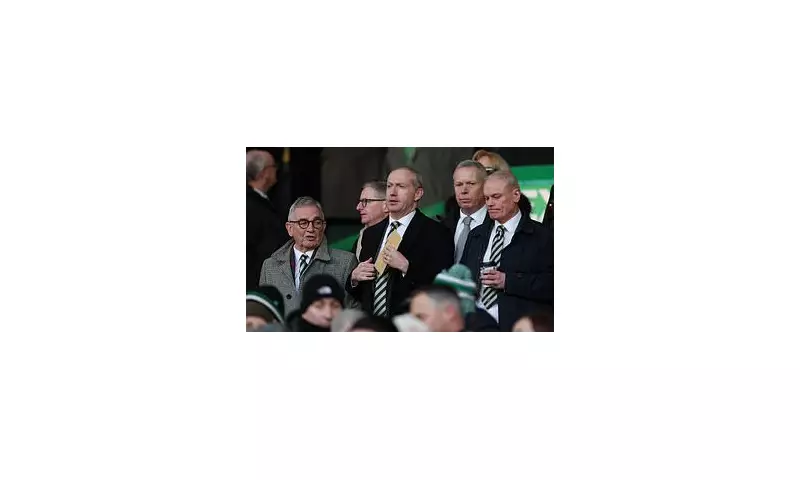
However, Nancy is merely the symptom of a deeper malaise. A culture of complacency, a lack of transparency, and questionable appointments—from Mark Lawwell in recruitment to the longevity of non-executive directors like Brian Wilson—have festered. Chief Executive Michael Nicholson, notably absent at Nancy's unveiling, has yet to explain the hiring process. This all unfolds while the last available accounts showed a staggering £77m in the bank.
On the pitch, the title is now in serious jeopardy. Hearts lead the charge, Rangers are resurgent, and Motherwell and Hibernian are close behind. Talk among the support has turned to boycotts and surrendering season tickets. From a position of extraordinary strength, the board has hollowed out the squad and shattered faith. The truth of Celtic's 2025 collapse, it seems, is indeed stranger than any fiction.