The 2025 season will be remembered by Celtic supporters as an annus horribilis, a year where promise spectacularly unravelled into a staggering 17 defeats. So profound was the collapse that a fringe theory emerged among the fanbase: was this a deliberate act of self-sabotage by the club's hierarchy? While easily dismissed as fantasy, the sheer scale of misjudgement from the boardroom made the conspiracy feel, to many, like a plausible explanation for the chaos.
A Meteoric Rise and a Catastrophic Fall
The roots of the crisis lie in a period of apparent strength. The summer of 2024 saw Celtic break its transfer record twice, signing Adam Idah and Arne Engels. Momentum built spectacularly that autumn with a famous Champions League dismantling of RB Leipzig, followed by a near-miss against Bayern Munich in the knockout stages. Domestic dominance seemed assured, and a new European standard was set.
Yet the downfall began almost immediately. The pivotal error was sanctioning the sale of talismanic striker Kyogo Furuhashi to Rennes without securing a replacement. This triggered a slump of seven defeats between January and May, culminating in a Scottish Cup final loss to Aberdeen. Despite a £40m play-off with Kairat Almaty looming, the board failed to back the football department adequately.
The situation deteriorated further under manager Brendan Rodgers. After he publicly insisted no key player would leave without a replacement, Adam Idah was sold to Swansea. The board then compounded the error by signing free agent Kelechi Iheanacho, who promptly got injured. Rodgers's infamous public frustration was met with a brutal boardroom response: a 'well-placed source' briefed he was 'working his ticket'.
Boardroom Blunders and a Toxic Culture
When Rodgers departed in October 2025, minority shareholder Dermot Desmond launched a vicious personal attack on the club's website, blaming the manager for the demise—a narrative fans universally rejected. An interim spell under club legend Martin O'Neill steadied the ship with seven wins in eight games, including a victory over Feyenoord.
In a decision emblematic of their flawed judgement, the board overlooked O'Neill for the permanent role. Instead, acting on advice from head of football operations Paul Tisdale—whose own CV featured a stint at Stevenage—they gambled on Wilfried Nancy. This was despite his Columbus Crew finishing seventh in MLS and his insistence on implementing a new 3-4-3 system mid-season. Nancy's record of just two wins in eight games has made his position untenable.
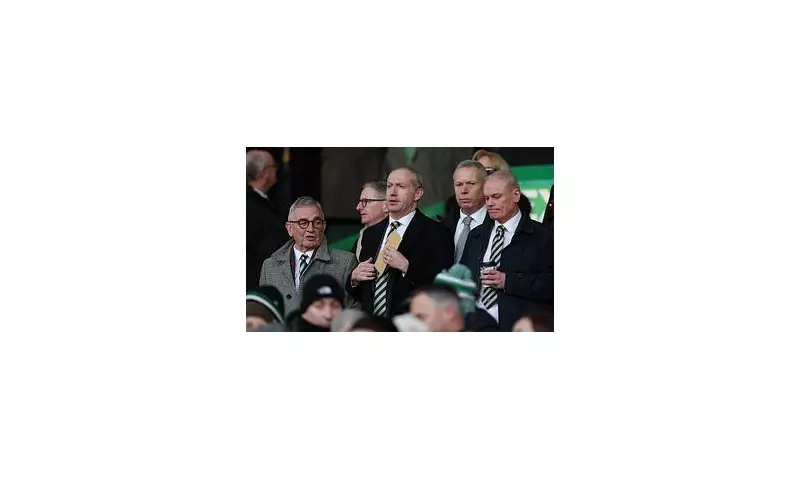
The managerial chaos is merely a symptom of a deeper institutional sickness. The culture is one of complacency, a lack of transparency, and a glaring absence of accountability. Key appointments have repeatedly raised eyebrows: from Mark Lawwell—son of former CEO Peter—as head of recruitment in 2022, to the promotion of long-standing company secretary Michael Nicholson to CEO. The appointment of Brian Wilson as interim chairman further highlights a boardroom allergic to external scrutiny.
Financial Paradox and a Bleak Future
The most damning statistic in this saga is the club's financial health. As performances nosedived, the last available figures showed a jaw-dropping £77m sitting in the bank. This paradox—a hollowed-out squad alongside a massive cash reserve—has fuelled fan fury and disillusionment.
The sporting consequences are severe. Hearts lead the title race, with Rangers poised to move second. Motherwell and Hibernian are close behind. Talk among supporters has turned to boycotts and mass surrenders of season tickets. The board, however, has consistently deflected blame, even issuing a 1030-word statement blaming UEFA and the media for transfer failings.
The truth at Celtic Park is now stranger than any fiction of conspiracy. From a position of extraordinary strength, a series of ruinous decisions by an insular board has brought the club to its knees. The coming months will determine whether those in the 'heated seats' finally take ownership, or preside over what could become the most embarrassing chapter in the club's proud history.