The beautiful game never stands still, and 2026 promises to be a year of monumental questions and defining moments. From the global spectacle of a home World Cup for the United States to tense domestic title races and cultural battles at iconic clubs, the next twelve months will shape football's future. Here, we examine three of the most pressing narratives set to dominate the conversation.
The 2026 World Cup: A Defining Test for the USA
All roads lead to North America this year for the 2026 FIFA World Cup. For the United States, the tournament represents a dual challenge: proving its credentials as a host nation and demonstrating the progress of its national team on the pitch. After endless debates over ticket prices and logistics, the focus will finally shift to the football itself, where success or failure will be judged in stark, unforgiving terms.
FIFA has already declared an early victory, boasting of a record 150 million ticket applications, though the organisation did not clarify how many came from automated bots. President Gianni Infantino defended the premium pricing, arguing that fan expenditure is essential to fund football globally. This comes after FIFA generated a colossal $7.5 billion in revenue during the last World Cup cycle.
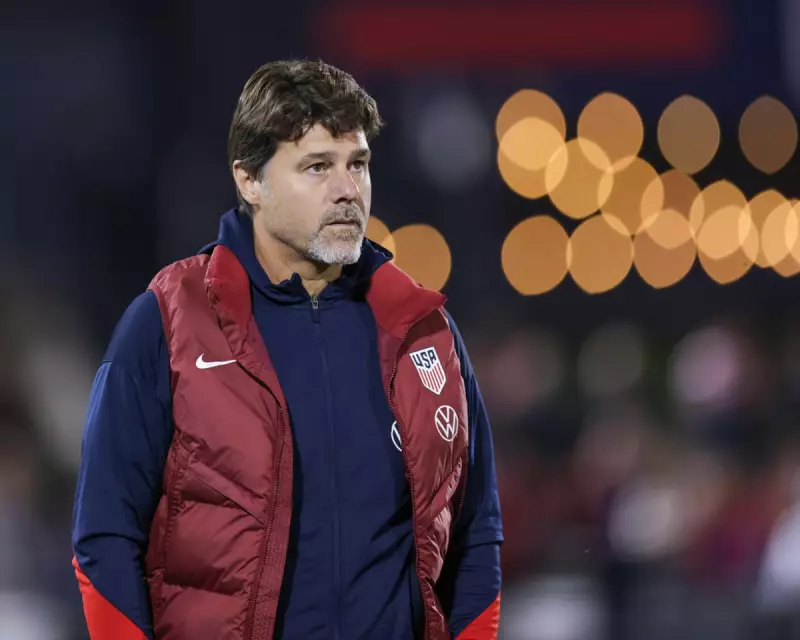
For USMNT head coach Mauricio Pochettino and his squad, expectations are clear. After a round of 16 exit in 2022, a deeper run is the minimum target. The team endured a turbulent 2025, suffering CONCACAF Nations League defeats to Panama and Canada before rallying with encouraging friendly wins against Japan, Australia, Paraguay, and Uruguay. Whether this upward trajectory translates into a strong World Cup performance remains the critical question.
Beyond the pitch, significant issues linger. The political landscape, including former President Donald Trump's relationship with Infantino, could influence tournament operations. Practical concerns about extreme summer heat affecting match intensity and how fans from nations with travel restrictions will attend are yet to be fully resolved. The 2026 World Cup will be a comprehensive examination of American soccer, both on and off the field.
Can Arsenal Finally End Their Premier League Drought?
As the new year begins, Arsenal sit atop the Premier League, a familiar yet precarious position. History offers a cautionary tale: the Gunners have been Christmas leaders on four previous occasions and failed to win the title each time. This statistic will undoubtedly weigh on manager Mikel Arteta, especially with the ominous presence of Manchester City growing ever closer in the rearview mirror.
Pep Guardiola's side, once considered to be in transition, have hit formidable form, winning their last six consecutive league matches. Arteta has acknowledged the club is actively seeking January signings to bolster their challenge, despite a substantial summer overhaul intended to make them champions.
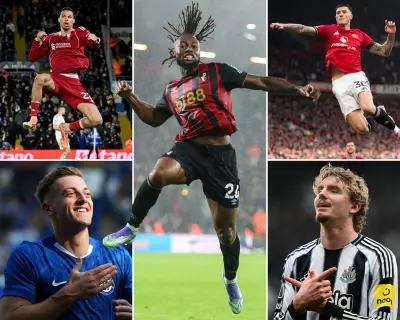
That summer business has yielded mixed results. Key signing Viktor Gyökeres has managed only five goals in 17 league appearances, while Eberechi Eze has struggled for consistency since a November hat-trick. Injuries have also limited contributor Noni Madueke. Recent shaky victories over Wolves, Everton, and Brighton hinted at growing nerves, though a commanding Tuesday win against Aston Villa may have released some tension. The second half of the season will be the ultimate reckoning for Arteta's project, testing whether past failures have forged a tougher, more resilient team.
Real Madrid's Cultural Power Struggle Under Xabi Alonso
At the Santiago Bernabéu, a deeper conflict is unfolding. Manager Xabi Alonso, hired to modernise Real Madrid's style and culture, is embroiled in a power struggle for the club's very soul. His successful philosophy at Bayer Leverkusen—based on high pressing, quick ball recovery, and possession dominance—has failed to take root in the Spanish capital.
The current Real Madrid side does not press aggressively, often cedes possession, and appears reluctant to adapt. This raises a fundamental question: does the squad lack the capability, or the willingness, to implement Alonso's vision? The frosty relationship between Alonso and star forward Vinicius Junior is emblematic of this clash, casting doubt on the Brazilian's long-term future at the club.
The 2026 season is therefore a watershed moment. It will determine whether Alonso's methods can eventually prevail, potentially after significant player departures, or if the legendary club's entrenched culture will reject his medicine and spit out the promising 44-year-old coach. The outcome will define Real Madrid's direction for the next decade.