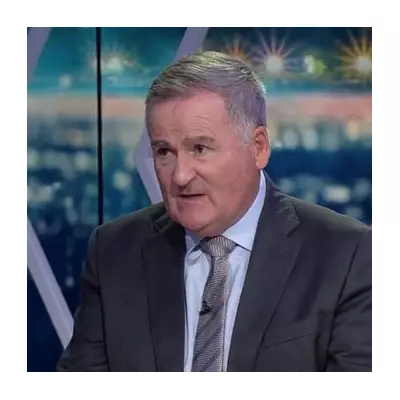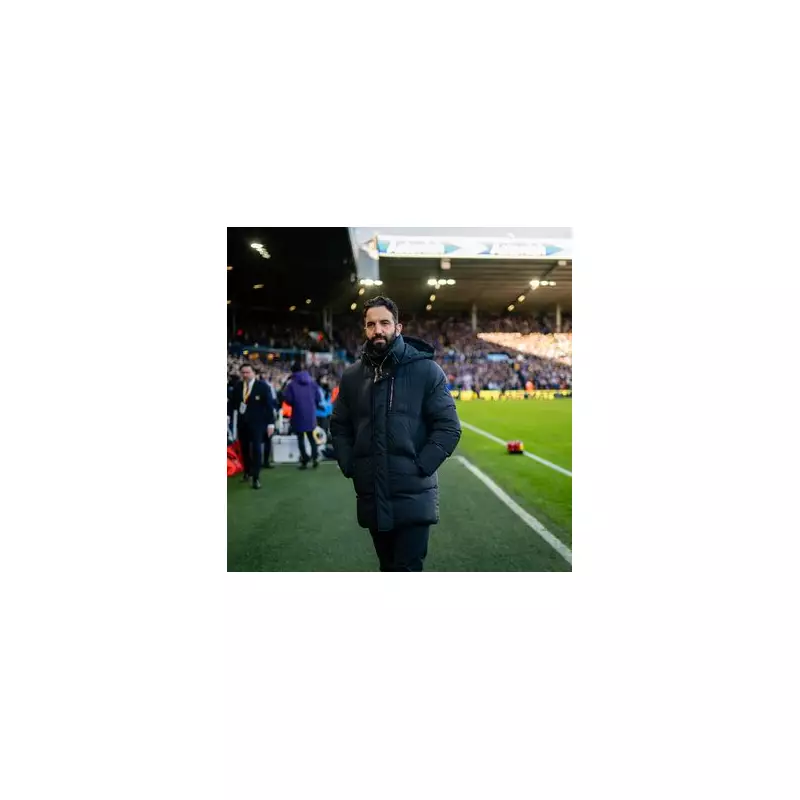
Manchester United's new era under Sir Jim Ratcliffe has been plunged into a public power struggle, with chief executive Omar Berrada expected to side with director of football Jason Wilcox over manager Ruben Amorim.
Amorim's Public Frustration Erupts
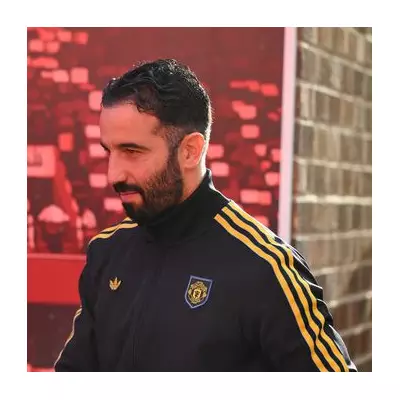
The tension at Old Trafford boiled over publicly following United's 1-1 draw away at Leeds on Sunday. In a revealing press conference, Portuguese boss Ruben Amorim fired several pointed digs at the club's hierarchy, making a clear distinction about his role. He insisted he had been appointed as a "manager, not a head coach," hinting at significant issues with sporting director Jason Wilcox.
Amorim's grievances appear to centre on the club's activity in the January transfer window. He feels promises have been broken, with United now planning a quiet month despite his desire to bolster a squad he believes still has glaring holes. This is despite the club spending over £200 million on their frontline during the summer.
The Tactical and Transfer Tensions
According to reports, one key frustration for Amorim stems from Wilcox urging him to show more pragmatism in his tactics. The manager had stubbornly stuck to a 3-4-3 formation for much of the season despite a lack of success, only recently switching to a back four before reverting to type at the weekend.
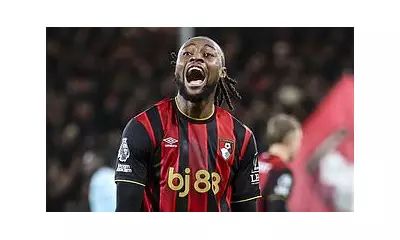
Specific transfer decisions are also a sore point. Amorim was reportedly unhappy with the £70 million pursuit of Benjamin Sesko, who has struggled to make an impact. The United boss would have preferred a proven Premier League commodity like Aston Villa's Ollie Watkins.
Berrada's Allegiance and the Stakes for Amorim
In any direct confrontation, CEO Omar Berrada is anticipated to back Wilcox. Both men are part of the new football structure implemented by co-owner Sir Jim Ratcliffe, who has entrusted them to run the club's operations. This alignment leaves Amorim in a precarious position, casting major doubt over his long-term future at the club.
Amorim himself has seemingly accepted a short tenure, explicitly stating his contract will conclude in 18 months at the end of next season. "I will do mine for 18 months and then we move on," he said, reinforcing the temporary nature of his current role. He concluded starkly: "That was the deal."
With the CEO's support leaning towards the sporting director, this public rift presents the first major test of United's revamped leadership. The outcome will significantly shape the club's direction both on and off the pitch in the crucial months ahead.