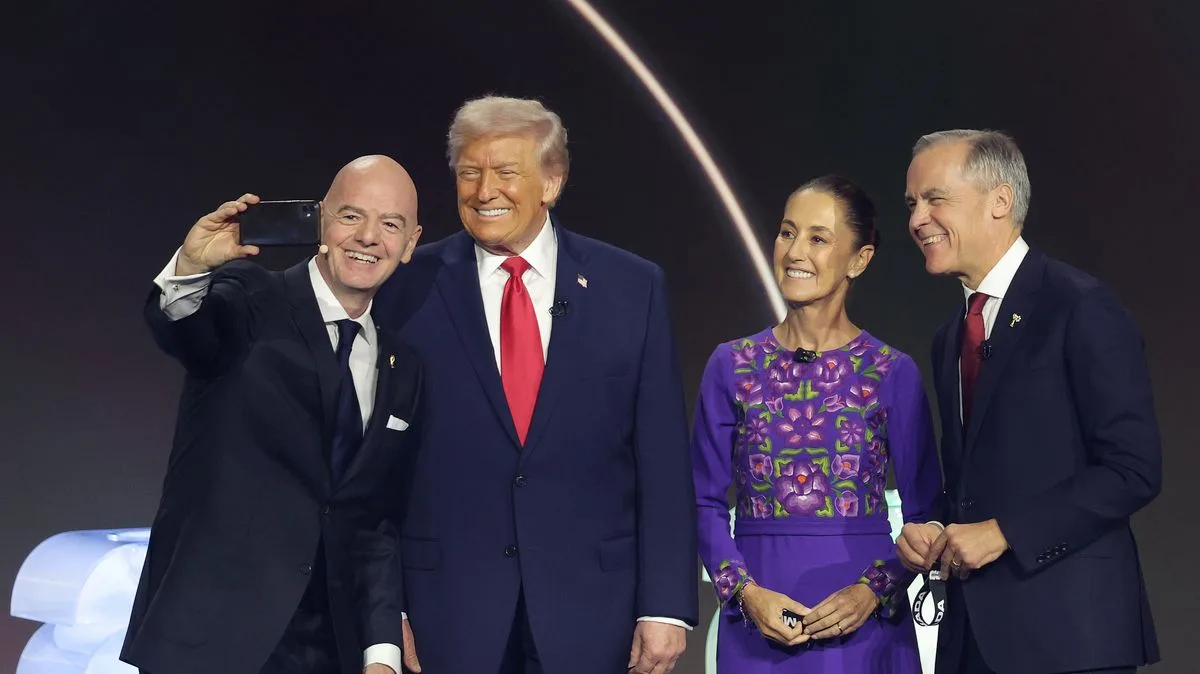
BBC commentator Jonathan Pearce launched a scathing attack on FIFA president Gianni Infantino during the 2026 World Cup draw, branding him 'shameless' as the ceremony dragged on. Pearce's criticism came as Infantino posed for selfies and engaged in prolonged on-stage antics, delaying the draw for over an hour.
The event, scheduled for 5pm GMT, saw only the three host nations—USA, Mexico, and Canada—drawn after 60 minutes. Infantino repeatedly took the stage, introducing musical acts and presenting a new FIFA peace prize to US president Donald Trump, leaving fans frustrated by the lack of progress.
Pearce also mocked the length of the draw, quipping: 'Hopefully the draw will be finished in time for the first match in June.' However, he lightened up when stars like Shaquille O'Neal, Tom Brady, and Wayne Gretzky were introduced by Kevin Hart, laughing at O'Neal towering over the comedian.
England were eventually drawn into Group L, alongside Croatia, Panama, and Ghana. The Three Lions will face Croatia again after their 2018 semi-final defeat, and will play their first match in Dallas or Toronto.
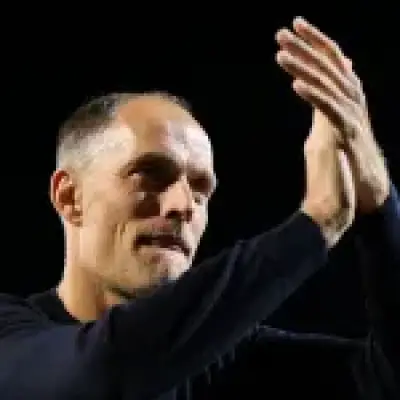
England boss Thomas Tuchel expressed confidence ahead of the tournament, saying: 'We will arrive to make a special thing happen. We cannot guarantee it, but we will arrive with the biggest goal.' Tuchel's side qualified unbeaten without conceding a goal.