Arteta's Arsenal Face Emotional Test After Quadruple Dream Collapses
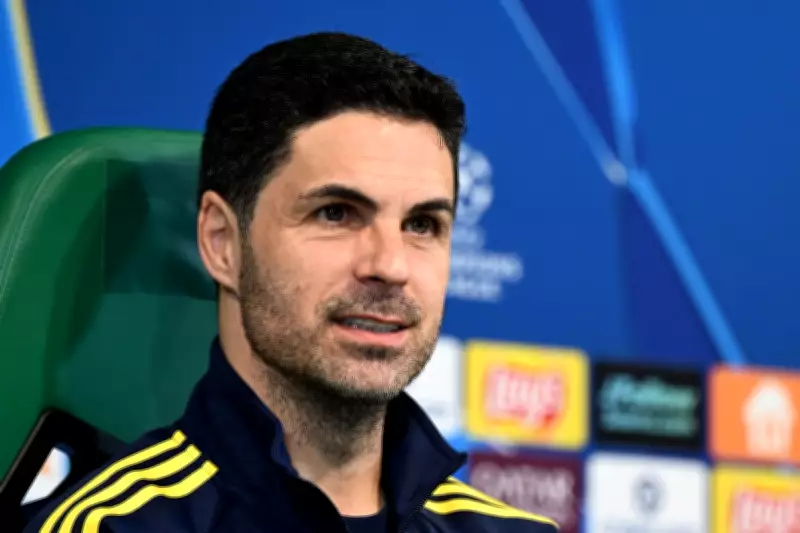
Mikel Arteta is consciously projecting calmness as he shoulders the burden of Arsenal's rapidly diminishing quadruple ambitions. Within just two weeks, the Gunners' hopes for four trophies have been reduced to a potential double, with their upcoming Champions League quarter-final first leg against Sporting Lisbon now carrying unexpected emotional significance.
The Psychological Battle
Following Saturday's surprising FA Cup defeat to Southampton, Arteta has developed a deliberate process for managing disappointment. The Basque manager has been observed privately adjusting his facial expression before addressing media or players, consciously projecting the desired emotional tone for his squad.
"It leaves a really bad taste," Arteta admitted after Arsenal's EFL Cup final loss, acknowledging the emotional toll of recent setbacks. His approach focuses on channeling disappointment productively: "Feel that pain, feel that emotion, and use it to be better and to improve."

This psychological management has become crucial as Arsenal's critics multiply their scrutiny. The manager understands that criticism intensifies with each setback, making it essential to shield players from dwelling on external noise while maintaining focus on remaining objectives.
The Premier League Priority
Despite the quadruple dream evaporating, Arsenal's primary target remains unchanged. The entire club recognizes that this season ultimately hinges on the Premier League title race. Winning England's top domestic competition would render other disappointments largely irrelevant, while failure could trigger a cascade of criticism worse than any previous season.
The Champions League now occupies a complex position in Arsenal's campaign. While Arteta has openly expressed his ambition to become the manager who finally delivers Europe's most prestigious club trophy to Arsenal, the competition's importance has shifted following domestic cup exits.
"It doesn't get bigger than this," Arteta declared in Lisbon, acknowledging the Champions League's significance while recognizing its altered context within Arsenal's season.
Physical Strain and Momentum Shift
Training-ground sources emphasize that physical condition, rather than purely psychological factors, may be determining Arsenal's recent performances. The squad has endured an exhausting schedule with only two midweeks without matches since August, creating cumulative fatigue that affects both physical capability and mental resilience.
Some insiders argue Arteta should have fielded weaker teams in domestic cup competitions to preserve energy for the Premier League campaign. The manager's competitive nature prevented such an approach, while concerns persist about the intensity of Arsenal's training regimen.
International withdrawals during recent breaks weren't tactical decisions but reflected genuine concerns about player welfare. Declan Rice nearly missed the Carabao Cup final, while Bukayo Saka has been managing issues requiring rest for some time.
The Sporting Lisbon Challenge
Arsenal's Champions League quarter-final against Sporting Lisbon arrives at a critical juncture. After three consecutive underwhelming performances, including a narrow 2-0 victory over Everton, the Gunners need to reassert their quality in Portugal.
Sporting represent a relatively favorable draw compared to Arsenal's previous quarter-final opponents Bayern Munich and Real Madrid. The Portuguese side has reached this stage only twice in their history, with their last appearance occurring in the 1982-83 season against Real Sociedad.
Despite this historical context, Sporting have demonstrated impressive regeneration following manager Ruben Amorim's departure. Replacement Rui Borges maintained the club's momentum to secure the Portuguese title while developing a more varied attacking approach than his predecessor's intense but singular style.

Key Players and Recovery
Martin Odegaard's performance against Southampton offered a positive sign, with the Norwegian captain appearing in his best physical condition for months after staying home during the international break. Eberechi Eze is expected to return for the second leg against Sporting, while Jurrien Timber could be available around the same time - just before Arsenal's crucial Premier League clash against Manchester City.
The Southampton defeat may reflect complacency or inability to maintain intensity rather than deeper systemic issues. David Raya's absence from the last two games has disrupted Arsenal's build-up play, highlighting his importance to Arteta's system.
Viktor Gyokeres returns to his former club Sporting Lisbon with renewed confidence after scoring the goal that secured Sweden's World Cup qualification. However, Luis Suarez's similarly prolific form since replacing Gyokeres at Sporting has sparked debate about whether such statistics reflect individual quality or the Portuguese league's overall standard.
The Road Ahead
Arsenal's season has swung between extremes, from quadruple contention to defending a Premier League lead that feels less secure despite remaining mathematically unchanged. The nine-point advantage with a game in hand no longer provides the psychological comfort it did three weeks ago, especially with Manchester City scoring freely and enjoying their football.
Arteta now faces the challenge of managing both physical recovery and psychological resilience. The international break provided some players with much-needed rest, though whether two weeks proves sufficient for athletes like Rice and Saka remains uncertain.
As Arsenal enter the Estadio Jose Alvalade, they confront a fixture that represents both opportunity and potential burden. The Champions League quarter-final that once symbolized Arsenal's return to Europe's elite now tests their ability to rebound from disappointment and maintain focus on what truly matters this season.