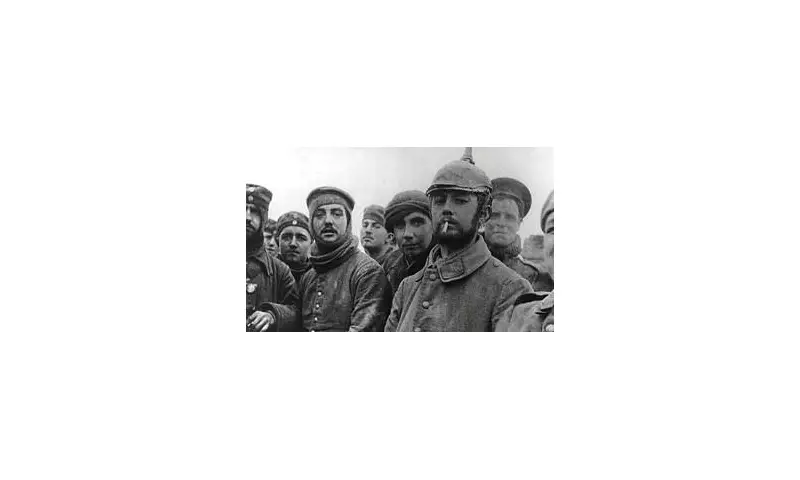
Few moments in history blend innocence and tragedy as powerfully as the events of Christmas Day 1914. Five months into the Great War, British and German soldiers spontaneously laid down their weapons. For just over a day, a fragile stalemate took hold along sections of the Western Front, allowing men to retrieve their fallen comrades from the deadly No Man's Land.
The Legend of the Kickabout
Accounts from the time suggest that during this extraordinary pause in hostilities, soldiers spoke, sang carols, and exchanged food and cigarettes. Yet the most enduring image is of a football match played between enemies. This poignant act of shared humanity has inspired countless plays, films, and even a famous Sainsbury's Christmas advert. However, uncovering the precise details of how the game happened—and who won—requires sifting through a mix of reality and enduring myth.
One German eyewitness, Lieutenant Johannes Niemann of the 133rd Saxon Infantry Regiment, claimed the British initiated the contest. "Suddenly, a Tommy came with a football, kicking already and making fun, and then began a football match," he wrote. "We marked the goals with our caps... the Fritzes beat the Tommies 3-2."
Makeshift Balls and Mass Participation
Other testimonies paint a different, more chaotic picture. British soldier Ernie Williams of the Cheshire Regiment recalled: "We were sharing fags and goodies with the Germans, and then from somewhere, this football appeared... It wasn't a team game... it was a kickabout, everyone was having a go." He estimated perhaps two hundred men took part, with the ball coming from the German side.
Where a proper leather ball was not available, soldiers improvised. Sergeant George Ashurst remembered using a tied-up empty sandbag. An account in the Manchester Guardian on New Year's Eve 1914 described an even cruder substitute: a match played with a bully beef tin.
The truce, involving an estimated 100,000 men, was not universal along the front. Not everyone felt comfortable participating. General Sir Walter Congreve VC, wary of his high rank, declined an invitation to meet the Germans, fearing they "might not be able to resist a General." He did, however, confirm football was being played, starkly noting that while some battalions fraternised, their neighbours continued to exchange fire.
An Enduring Legacy of Hope
The Christmas Truce of 1914 remains a powerful symbol of shared humanity amidst conflict. Its legacy has been physically commemorated with sculptures in Messines, Belgium, and at the National Memorial Arboretum in England, each depicting the symbolic handshake and football.
On its 100th anniversary in 2014, the Football Remembers project saw Premier League teams and amateur sides pose together before matches. Over 30,000 schools received educational packs. Prince William, then the Duke of Cambridge, called it "a powerful way to engage and educate young people about such an important moment in our history." A commemorative match between British and German servicemen in Aldershot saw the British side win by a single goal, providing one of the few conclusive results linked to that historic day.
Ultimately, whether the score was 3-2, or the game was a sprawling kickabout with a beef tin, the 1914 Christmas Truce football match endures as a timeless message of hope and common ground, even in the bleakest of times.