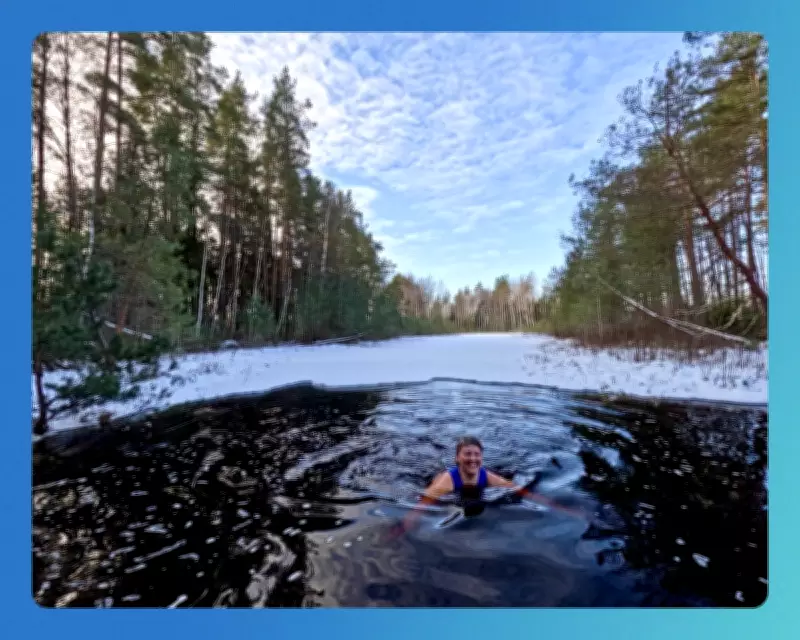
There exists a particular brand of satisfaction that can only be earned by braving the elements for outdoor exercise during the winter months. Beyond the fresh air, the endorphin rush, and the health benefits, there's an undeniable camaraderie in the knowing nod from a fellow rain-soaked runner or the astonished glances from onlookers as you plunge into icy waters. However, to ensure this exhilarating feeling outweighs the biting cold, proper preparation and the right gear are absolutely essential.
Universal Winter Wisdom: Start With The Forecast
Before you even think about your kit, there is one piece of advice that applies universally to all winter sports. "Always start by checking the weather forecast," advises Richard Shepherd, purchasing director at mountain sports retailer Ellis Brigham. "What you wear should match the conditions you're likely to experience. It's the key to staying safe and comfortable outdoors." We consulted multiple experts across different disciplines to compile their top strategies for conquering the cold.
The Best Winter Running Gear
Dressing for a winter run presents a unique challenge: you need to combat the initial chill without overheating once your body warms up. Nick Harris-Fry, co-founder of the Run Testers, emphasises a strategic approach to layering.

Master The Art Of Layering
"Be bold, start cold," is Harris-Fry's mantra. The temptation is to bundle up, but you'll warm up quickly. He recommends two or three thin layers over one or two thick ones, allowing for easy adjustment. A high-quality base layer is crucial; it should wick moisture, resist odour, and provide warmth without bulk. Fabrics like merino wool are ideal for this purpose.
When it comes to outer layers, a windproof and water-resistant jacket often suffices for most runs, being more breathable and packable than a full waterproof. However, for longer trail runs or in remote areas, a fully waterproof jacket becomes a safety essential. For core warmth without restriction, a running gilet is an invaluable piece of kit, protecting your torso while allowing arms to breathe.
The Best Winter Hiking Gear
Winter hiking demands a system that can adapt to rapidly changing conditions, especially with elevation changes. The cornerstone of this system is, without doubt, a strategic layering approach.
Build Your System From The Skin Out
Shepherd stresses that "layers will allow you to maintain a steady temperature" during ascents, rests, and descents. Start with a moisture-wicking base layer next to your skin; merino wool or polyester are excellent choices. Over this, add insulating mid-layers. These can range from lightweight fleeces to insulated down jackets, chosen based on the expected cold and your activity level.
The final defence is a protective shell jacket to block wind and rain. Ensure it has enough room to accommodate your mid-layers underneath. Don't neglect your lower half; merino leggings under soft-shell trousers provide essential leg insulation, with waterproof overtrousers packed for emergencies. Thick, heavyweight merino wool socks are also a winter hiking necessity.
The Best Cold-Water Swimming Kit
For winter swimmers, the cold is an inherent part of the experience, but outdoor swimming expert Ella Foote outlines how to manage it effectively. Preparation and recovery are just as important as what you wear in the water.
Protect Extremities And Regulate Core Temperature
"Neoprene gloves and socks can make a cool dip much more enjoyable," says Foote. They protect fingers and toes, which have little fat and get cold quickly. Ensuring your core body temperature is warm before you enter the water is also critical; thermal base layers made from merino wool can help with this.
After your swim, have a organised changing system ready. Your body temperature will continue to drop, so you must dry and dress swiftly. A high-quality change robe with a weatherproof outer and insulated lining is ideal for this. While wetsuits offer buoyancy, for very cold water (around 5C or under) their benefit is limited, and a swimsuit may suffice for short swims. Finally, always protect your head with a neoprene swimming hat or a waterproof bobble hat.

By following these expert tips and investing in the right gear for your chosen activity, you can safely extend your outdoor exercise routine through the winter and fully embrace the unique rewards it offers.