Inside Gray-Nicolls: The Past, Present and Future of Cricket Bat-Making
On a cold January day in Robertsbridge, East Sussex, rain lashes down as flood defences stand guard along the River Rother's tributaries. This quiet village holds a remarkable secret: for 150 years, it has been the heart of English cricket bat craftsmanship. Walking along Station Road, the faint scent of wood draws visitors toward an institution that has shaped the sport's history.
A Legacy Carved in Willow
Robertsbridge's claim to fame rests firmly on the cricket bat. The village's bat-making lineage stretches back to LJ Nicolls in the late 19th century, with even the legendary WG Grace praising Nicolls' craftsmanship in an 1894 letter. "I used one of your bats at Hastings in 1894 and scored 131," Grace wrote. "I kept it until this year and have scored 2,000 runs with it."
While Nicolls' original workshop on the High Street has long been converted into housing, his legacy thrives through Gray-Nicolls. Formed from a merger between Nicolls' company and Grays of Cambridge, this family business represents English sporting heritage at its finest.

From Sapling to Finished Bat
What makes Gray-Nicolls remarkable is their complete control over the bat-making process. On their Robertsbridge site, one can virtually track a bat from sapling to finished product. Richard Gray, representing the family ownership, explains their unique approach: "Every Gray-Nicolls bat is made from wood grown by the company in the United Kingdom, and handcrafted by our bat-makers here."
Newly-planted Salix Alba willow trees line the riverbank, destined for harvesting in 15 to 20 years. Each mature tree yields approximately 40 bats, with the company maintaining complete oversight from cultivation to craftsmanship.
The Art of Bat-Making
In the workshop, bat-maker Alex Hohenkerk shares insights gained from nearly two decades of experience. "As bat-makers, we're looking for timber that will make really good bits of kit," he explains. "I'll happily sacrifice a pretty piece of wood for something with high density and good rebound characteristics. Performance matters more than appearance."
This bespoke approach distinguishes Gray-Nicolls from mass manufacturers. Hohenkerk contrasts current methods with past practices: "When I started, colleagues had approaching 50 years service each. They'd done high-volume manufacturing when bats were less specific. With high volume, you might find 100 excellent bats among 10,000 made, but they weren't tailored to individual players."
Bats as Personal Expression
For cricketers, bats represent more than mere equipment—they become extensions of personality and identity. This emotional connection has strengthened in recent years, with players increasingly maintaining and refurbishing their favourite bats. "We've gone full circle," observes Hohenkerk. "Players now keep getting their favourite bats refurbed, using them exclusively at the crease. This shows bats can last with proper care."
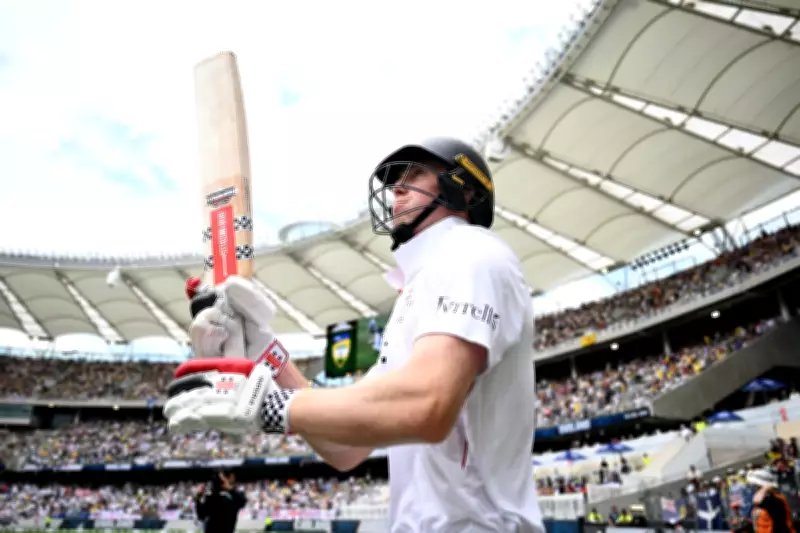
England's Harry Brook exemplifies this trend, using the same red-ball bat for two and a half years. "That bat has scored a lot of runs," Hohenkerk notes proudly.
Innovation and Tradition
Gray-Nicolls has consistently pioneered bat innovation throughout its history. The company's development chart showcases evolution from hockey-stick style early designs to contemporary creations. Fifty-one years ago, the iconic Gray-Nicolls Scoop revolutionized bat design. Today, innovations like the Neocore bat feature cored internal scoops to improve weight distribution and pick-up.
Notably, the brand has experienced substantial growth in India, where consumers strongly connect with its rich heritage and craftsmanship reputation.
Future Challenges and Solutions
The bat-making industry faces significant challenges, particularly concerning English willow shortages driven by increased demand. While more trees are being planted, their twenty-year maturation period creates supply pressures.
Gray-Nicolls is exploring "laminate" or "blended" bats—constructed from multiple wood pieces—as potential solutions. Already permitted for junior cricket, the company is having "constructive discussions" with the MCC about allowing laminate bats in recreational cricket.

"Lamination is great, and demystifying what it is and does is important," Hohenkerk explains. "The more important thing is that you're using three bits of wood that you otherwise wouldn't have used. With everyone wanting their own bat now rather than sharing from a village kit bag, we must find sustainable ways to meet demand."
A Continuing Legacy
As visitors leave the factory's warmth for Robertsbridge's wind and rain, the summer cricket season feels closer than the January chill suggests. After 150 years of bat-making excellence, Gray-Nicolls continues balancing tradition with innovation, craftsmanship with sustainability, ensuring this English institution remains at cricket's heart for generations to come.