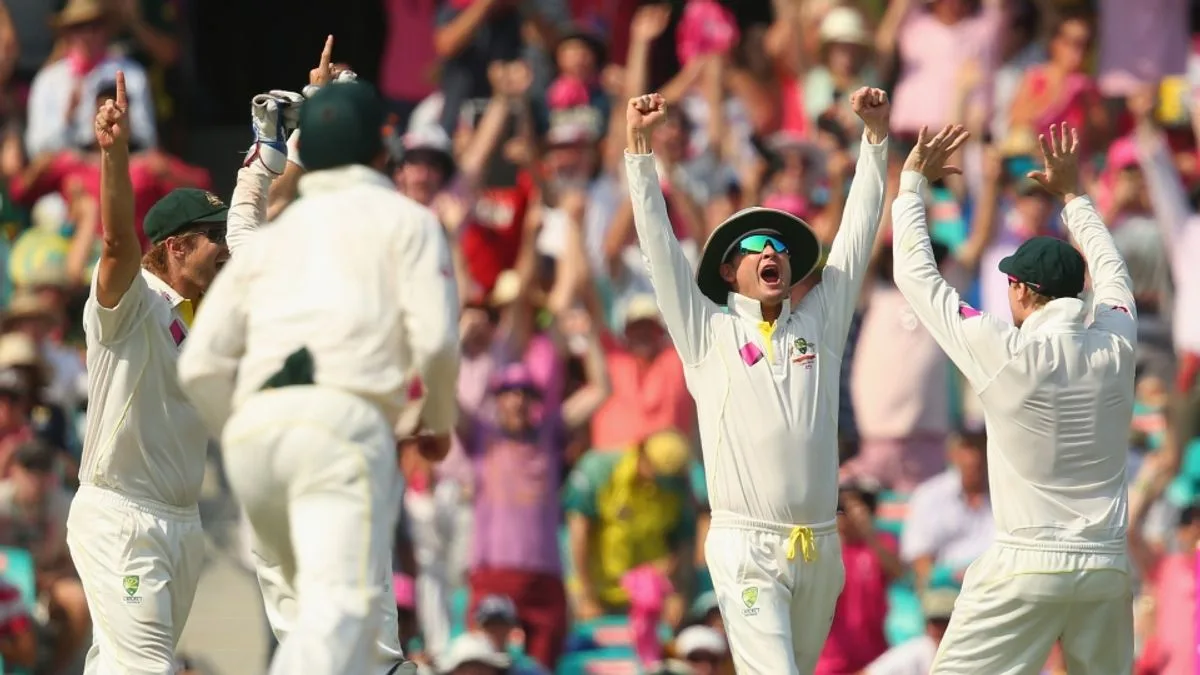
Ashes 2025: England's 'Mental Disintegration' in Sydney Demands Change
England's Ashes Failure: Time for Change After Sydney

The final Ashes Test in Sydney has delivered a brutal verdict on England's cricket leadership. A calamitous day three at the SCG, featuring four dropped catches and wayward bowling, has forced a stark conclusion: the 'Bazball' era must end to allow the team to move forward.

A Day of Total Collapse in the Field

Tuesday 06 January 2026 witnessed what might be remembered as England's most shambolic session of cricket in recent memory. The morning's play was a masterclass in self-destruction, perfectly encapsulating the flaws of the past three-and-a-half years. The most glaring errors came in the field, where four crucial chances went begging.

While two were exceptionally difficult, one was a straightforward opportunity that should have been taken. The most egregious, however, came from Will Jacks. Stationed in the deep, he settled under a miscued pull from Travis Head, only to take his eye off the ball at the last second to check the boundary rope. The simple catch spilled out, symbolising a team in total disarray.

Bowling and Tactics Unravel Under Pressure

The disintegration was not confined to fielding. The bowling, particularly from Matthew Potts, lacked all control. After a tough return to the side the previous day, Potts saw his first three balls dispatched to the boundary. His tactics became desperately negative, with multiple fielders placed on the boundary as he essentially bowled to limit the damage rather than take wickets.

The mental frailties extended to decision-making. England began the day with two reviews remaining and burned both on the nightwatchman Michael Neser before lunch. Captain Ben Stokes's reaction—throwing his hands to his head in disbelief—said it all. The relaxed, 'no-consequence' environment cultivated by the leadership had curdled into chronic sloppiness.

The Inevitable Conclusion: A Relationship Run Its Course

The post-mortem will be severe. England's hierarchy, including managing director Rob Key and coach Brendon McCullum, have recently argued for continuity, suggesting constant reinvention after each Ashes failure is not the answer. However, day three in Sydney made a compelling counter-argument.

The problems are now fundamental: poor execution on the pitch, erroneous preparation, and flawed selection. The 'Bazball' philosophy initially freed a generation of scarred players, but the new cohort, including Jacob Bethell and Jacks, have never carried that old burden. Instead, they have been scarred by the intensity of this very tour, ill-equipped for the pressure it brings.

ECB CEO Richard Gould, present in Sydney, has staunchly backed the current regime. But witnessing this performance surely signals a tipping point. The leadership's emphasis on aggressive wicket-taking has led to a loss of control. The desire to attack with the bat, then recalibrate mid-series, has created a confused 'halfway house' approach. The evidence is overwhelming.

Ending this chapter is not an admission of total failure. The last three-and-a-half years have provided joyous, thrilling cricket. But as the team's younger stars enter their mid-20s, they require a more serious, structured environment. The message to 'play your natural game' rings hollow if players are unsure what that game is. For the future of English cricket, the only choice now is to move on.