Tributes have poured in from across the sporting and political world following the death of legendary cricket umpire Dickie Bird at the age of 92. Bird, who never played for England, became one of the most recognisable figures in the sport, officiating in 66 Tests and 69 one-day internationals, including three World Cup finals.
Known for his eccentric style—a constant grin, obsession with rain, and quirky mannerisms—Bird was beloved by players and fans alike. Former Prime Minister David Cameron called him “a national treasure,” adding, “At 92 he had a good innings. Farewell friend.”
Bird was born Harold in Barnsley in 1933 but was nicknamed Dickie at school. He played alongside lifelong friends Sir Michael Parkinson and Sir Geoffrey Boycott at Barnsley Cricket Club. Boycott said Bird was “loved by so many and became a legend,” praising his firmness, fairness, and humour.

Bird played first-class cricket for Yorkshire and Leicestershire before becoming an umpire. He was awarded an MBE and later an OBE for his services to cricket and charity, including the Dickie Bird Foundation, set up in 2004. He never married or had children.
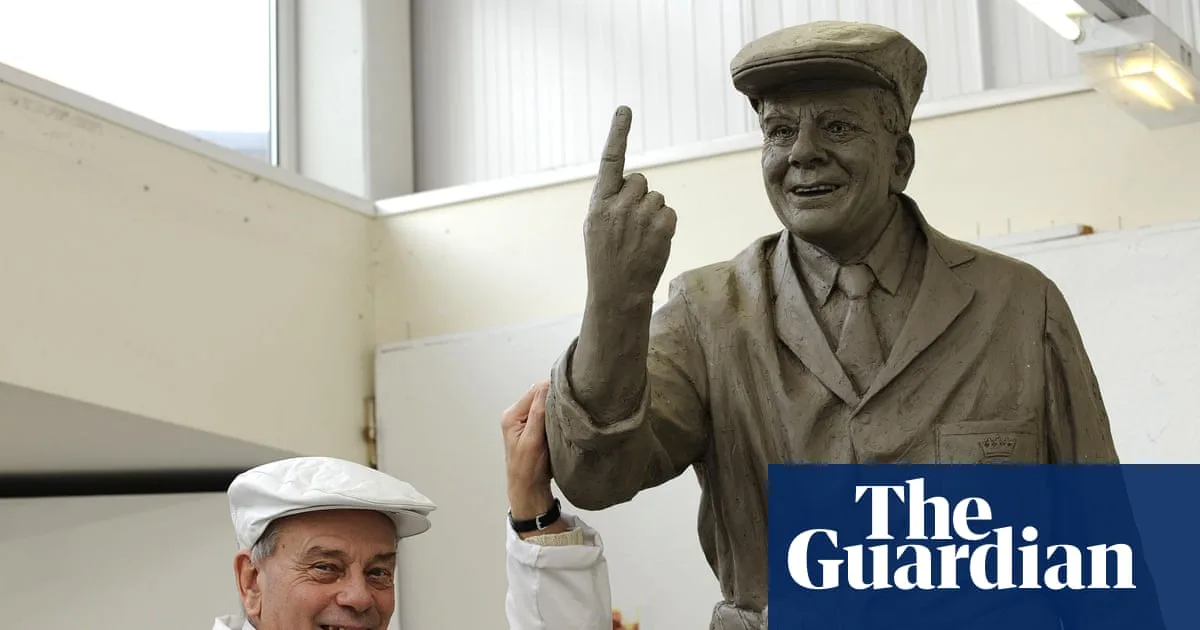
During the pandemic, Bird spoke openly about loneliness, urging elderly people to stay active. He remained a devoted supporter of Yorkshire CCC and Barnsley FC, attending a match just ten days before his death. A statue of Bird stands in Barnsley, and the club held a minute's applause in his memory.
Former India spinner Anil Kumble said, “Cricket lost one of its brightest souls. Dickie Bird didn’t just umpire the game – he owned it with heart, wit and class.” Australian cricketer Merv Hughes called him “one of the best” umpires and “a great bloke.”