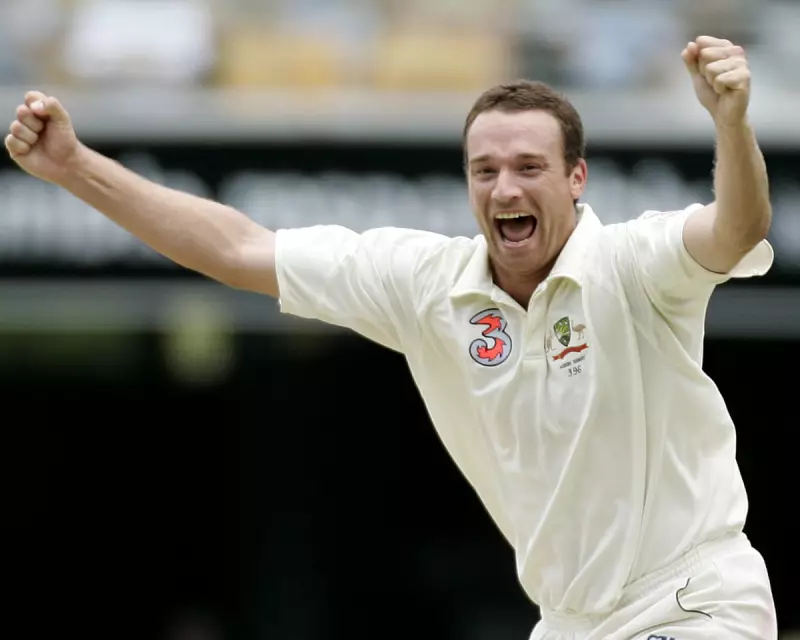
Cricket Australia has taken the extraordinary step of withholding its players from post-match interviews with the Australian Broadcasting Corporation (ABC). This decision follows stinging on-air criticism from former Test fast bowler and current ABC commentator, Stuart Clark, directed at senior cricket officials.
The Comments That Sparked the Controversy
During his commentary duties on Monday, Clark launched a pointed critique of the national team's setup. He labelled head of cricket James Allsopp as a "grade coach" and questioned the gravitas of chief selector George Bailey, suggesting he was merely a "yes-man" unable to stand up to star players and coaches.
Clark's remarks, made while Australia was engaged in the fifth Ashes Test against England in Sydney, quickly became a major talking point. They are known to have upset members of the Australian coaching staff, adding to the existing scrutiny Bailey has faced from some former players despite a successful run as selector since 2021.

Cricket Australia's Swift and Firm Response
The reaction from Cricket Australia's leadership was swift. Chief executive Todd Greenberg met with Clark on Tuesday to express his strong displeasure and to defend the reputations of Allsopp and Bailey. Greenberg also clarified that Clark's views were not shared by Cricket New South Wales, where Clark serves as a selector and board member.
The organisation's displeasure escalated into direct action. Despite the ABC's usual entitlement to a player interview at the close of each day's play, no Australian player was made available to the national broadcaster after day three in Sydney. This left ABC listeners without their customary access to the team.
Broadcaster Backlash and the 'Public Good' Argument
The boycott prompted an immediate on-air rebuke from ABC commentator Corbin Middlemas. He labelled the move "extremely disappointing" for listeners across the country, particularly in regional areas reliant on ABC radio.
"The Australian team is a public good," Middlemas argued. "It is not a private team, not private enterprise. They are the custodians of the game... and it is a team all Australians have a stake in."
While Steve Smith, who scored a century, gave interviews to other broadcasters, the ABC was conspicuously excluded. It is understood there is no formal contractual obligation for Cricket Australia to provide a player, but the post-play interviews are a long-standing tradition.
An Uneasy Truce and Lasting Questions
Despite the firm stance, the boycott appears to be temporary. It is expected that normal interview arrangements will resume on Wednesday. Furthermore, Clark described his meeting with Greenberg as "cordially," noting their long-standing friendship from working together at the NRL and stating he saw no benefit in a public "war of words."
This incident, however, highlights the tense relationship that can exist between sporting bodies and public broadcasters. It raises significant questions about media access, freedom of commentary, and the balance between protecting staff from criticism and fulfilling a perceived duty of public accountability for a nationally revered sports team.