The recent Ashes tour has delivered a stark lesson for England, one that extends far beyond the scoreboard. Travelling through Australia reveals a nation where cricket is not just a sport but a ubiquitous and freely accessible summer ritual, a vivid contrast to the increasingly privatised and paywalled game back home.
A Pilgrimage to Bowral and the Heart of Australian Cricket
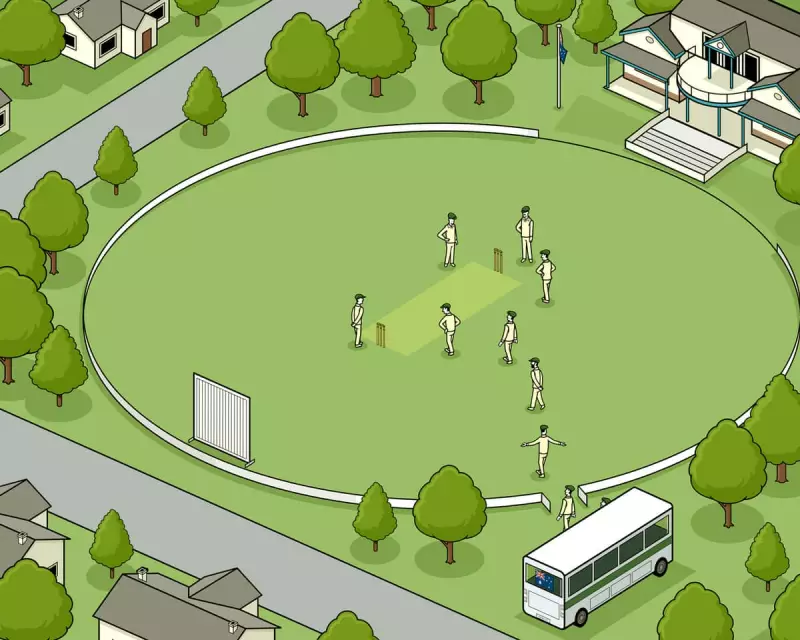
The journey to Bowral in New South Wales offers a glimpse into this deep-rooted culture. The landscape, with its rolling pastoral hills, could be mistaken for the English countryside. Yet here lies the Bradman Oval, a hallowed ground of pilgrimage. This unassuming village green, with its worn outfield and white picket fence, is where Sir Don Bradman honed his legendary skills. It stands not as a monument locked away, but as a living, accessible part of the community's fabric.
For the travelling England fan, such scenes challenge long-held stereotypes of Australian cricket as merely a hard-nosed battle on unforgiving pitches. The reality encountered is far more communal and woven into daily life.

Constant Public Displays of Affection for the Game
Across the continent, cricket proves a constant companion. From the Gawler Ranges to the Grampians, the game is ever-present. In remote motels, one can stumble upon the lively post-match gatherings of local clubs like the Wudinna Cricket Club. In parks, backyards, and even on Melbourne's city beaches, impromptu games are a standard summer sight, with parents bowling to toddlers and games played waist-deep in waves.
This public embrace is mirrored in broadcasting and attendance. Free-to-air broadcaster Channel 7 made the entire Ashes series available on demand, session by session. The Big Bash League complements rather than cannibalises the international summer, creating a festival atmosphere. Recently, a combined crowd of 105,767 set a New Year's record at the MCG and Optus Stadium.
Crucially, Australia's major Test grounds are owned by state trusts or, like Adelaide Oval, by the people of South Australia itself. They are managed for public benefit, not for private members or venture capitalists.
A Lesson in Contrast: England's Ruthless Privatisation
This throws England's path into sharp relief. The English game's foundational act was an elite privatisation, with the Marylebone Cricket Club copyrighting the laws. Today, that trend continues with cricket's retreat behind paywalls, its disappearance from state schools, and the adoption of dynamic ticket pricing that only ever seems to rise.
The irony is profound. Australia becomes a land of 'counter-envy', where English fans travel to experience a cricketing culture their own country once saw as a core marker of its identity and imperial bond. It is a reversed nostalgia, akin to French winemakers viewing the survival of ancient vine cuttings in Australian soil after the phylloxera blight.
The commitment is evident in remote communities. In Harrow, Victoria, a town of just over 100 people, the old bank has been transformed into the Johnny Mullagh Interpretive Centre, celebrating the 1868 Aboriginal XI tour of England. Even here, space is made for a quick bowl in the front yard.
Back in Bowral, the Bradman Museum, open 364 days a year and largely staffed by volunteers, continues to evolve. Its latest addition is a significant permanent exhibition celebrating the women's game and a female hall of fame.
The takeaway for England is unambiguous. While perceptions have long been distorted by rivalry, seeing Australian cricket up close reveals a system where the game is readily available and publicly cherished. For a sport struggling with accessibility and identity at home, the lessons from this Ashes tour are too vital to ignore.