
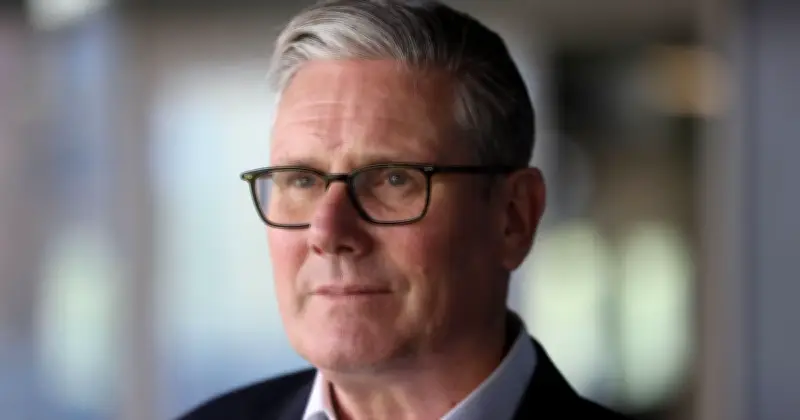
Sir Keir Starmer delivered one of the Labour Party’s greatest electoral triumphs in 2024, but then led it to a shattering defeat, leaving MPs fearing for the future of the country. The former Director of Public Prosecutions (DPP) jumped into frontline politics in 2015 and was clutched by moderate Labour MPs as their best hope for saving the party from the wreckage of the Jeremy Corbyn era. He was the perfect figure to rebrand a party whose credibility with the electorate had been shredded by antisemitism accusations.
From Landslide to Collapse
Sir Keir, an analytical lawyer not prone to explosions of passion, did not look like an extremist. He profited from the wild unpopularity of the Conservatives, whose own reputation for stability and competence had been decimated by the economic turmoil which doomed Liz Truss and by the naked divisions in a party addicted to regicide. Not only did he get Labour back into Government, but he also did so with a landslide. The party secured less than 34% of votes cast, but that was enough to win 411 of Westminster’s 650 seats.
Sir Keir seemed happy and confident in his first press conference as prime minister, looking more relaxed than on the campaign trail. This was not surprising. He was never a political animal; he does not revel in communicating with the country but is happiest at his desk, getting on with serious work. Alas, the skills which made him a respected DPP were not what he needed to survive in office.
Missteps and Freebie-Gate
Labour’s honeymoon was wrecked by missteps which a more experienced politician would have avoided. A nation battered by the cost-of-living crisis recoiled at “freebie-gate” – the revelations about free tickets and clothing garnered by Sir Keir and fellow ministers. To make matters worse, his Chancellor then axed universal winter fuel payments. This is the type of cut that Treasury civil servants routinely try to get ministers to sign up to – "Minister, the public won't be upset if you stop subsidising the fuel bills of millionaire pensioners." Families across the nation were outraged. Why did Labour dodge every opportunity during the election to say this radical move was an option? The argument it was essential to fill a black hole in the public finances left by the Tories was greeted with profound scepticism. Sir Keir and his freebie-loving team gave the toxic impression of living it large while pensioners were condemned to a cold winter.
Tax Raids and Alienating Key Groups
There is logic to a Government taking tough decisions early on, but Sir Keir and Chancellor Rachel Reeves seemed determined to alienate and enrage sections of the electorate. The shock increase in employers’ National Insurance made it more expensive to give someone a job, and once again, there was fury that this had not been trailed as a possibility during the election. Not content with enraging pensioners and business owners, the decision to hike inheritance tax paid on agricultural land triggered the arrival of incensed tractor-driving farmers in Whitehall. A toxic narrative was set. Sir Keir was not strong enough to stand up to trade unions demanding pay hikes and too weak to reform welfare, but he allowed his Chancellor to launch tax raids on the vulnerable.
Ms Reeves will spend the rest of her life arguing her massive increases in the tax burden were needed to cement confidence in the public finances, but U-turns on winter fuel and the “family farm tax” undermined her credibility. It was a similar story with the two-child benefit cap. Left-wingers who voted for it to be scrapped lost the whip, but in April this year, when Sir Keir urgently needed to shore up support in his own party, the cap was axed.
Economic Stagnation and Foreign Policy Blows
Most damningly of all, the economy stagnated on Sir Keir’s watch. Other European economies were stuck in a similar quagmire, but Labour’s tax raids made it look as if the Government was determined to stamp out growth. Throughout his premiership, alarm bells rang about the spiralling benefits bill and the urgent need to strengthen Britain’s military. But Sir Keir’s failure to curtail entitlement to disability benefits in July showed he lacked the authority in his own party to grasp this nettle; his team's inability to produce a plan to upgrade the armed forces’ equipment appalled the likes of former Labour Defence Secretary Lord Robertson and heightened worries of dysfunction at the heart of Whitehall. The deal to hand the Chagos Islands to Mauritius – and then pay to lease back a UK-US base – horrified the Right, who were delighted when the Trump administration withdrew its support. But the sense of Britain weakening on the world stage deepened when the country was criticised for not having the firepower in place to protect British bases on Cyprus and allies when the US attacked Iran.
Rise of Reform UK and Internal Chaos
Rumours of chaos swirled around Sir Keir’s operation from its early days. The departure of former Civil Service titan Sue Grey as Downing Street chief of staff in October 2024 pointed to unhappiness within No 10. As the months rolled on, the worry set in that a party which had been in Opposition since 2010 had arrived in Government without a plan. Its litany of U-turns would have been bad for any Government, but these coincided with the rise of a new foe which struck terror through the Labour benches. Nigel Farage’s Reform UK drew level with Labour in the polls in January 2025 and surged ahead in the spring. Fear kindled in the Labour movement that if Sir Keir stayed in post, it would lose to a rival far more frightening than the Conservatives. Sir Keir used his 2025 conference speech to rally supporters in an effort to hold back the populist Right, presenting himself as a defender of British decency.
Mandelson Scandal and Electoral Rout
Alas, his credibility withered further when documents were released detailing his disastrous decision to appoint Peter Mandelson US ambassador. The official “due diligence” advice showed he was warned about the New Labour veteran's relationship with billionaire sex predator Jeffrey Epstein had continued after he was "convicted of procuring an underage girl." The scandal resulted in the departure of Sir Keir’s second chief of staff, Morgan McSweeney, as well as Olly Robbins, the top civil servant at the Foreign Office. The Labour leader, who had tenaciously pursued Boris Johnson over “partygate”, seemed content for other people’s heads to roll as he clung onto power. The May 7 elections to English councils and the Welsh and Scottish parliaments sealed Sir Keir’s fate. Wales, a nation where his had held power since the era of self-government began in 1999, revolted against Labour. Pro-independence party Plaid Cymru is now the biggest in the Senedd with Reform UK in second place. Baroness Morgan, who had served as Welsh Labour’s First Minister, lost her seat. In England, Reform won 1,454 council seats, and Labour lost 1,498. The Greens’ victory in the Gorton and Denton by-election demonstrated that Labour now faced a serious challenge from the Left.
Final Blow and Legacy
It will take more than a change of Labour leader to stop Mr Farage becoming prime minister, but MPs knew they could not risk going into the next election with Sir Keir at the helm. His credibility as a defender of the realm crumbled when Defence Secretary John Healey resigned, saying Sir Keir was "unable" and the Treasury was "unwilling" to stump up the cash "the nation needs to defend the country at this time of rising threats." Sir Keir had survived up to this point in large part because there was no obvious replacement on the Labour benches who would not alienate swathes of the party or the country. But when Mayor of Greater Manchester Andy Burnham won a thumping victory over Reform in the Makerfield by-election, suddenly it was easier to imagine a post-Starmer future. As he packs up the Downing Street flat, Sir Keir will feel that his political defenestration is desperately unfair. He will point to the roll-out of free breakfast clubs in primary schools, the strengthening of workers’ rights and protections for renters as the accomplishments of a serious Government with a social conscience at its core. Most of all, he will take pride in rallying support for Ukraine against Russia's invading forces and in his efforts to preserve NATO in the face of American ambivalence about the alliance's future. And while the Left loathed the sight of Sir Keir flattering President Trump with a second state visit, he will have no regrets that he resisted pressure for Britain to do much more to assist US attacks on Iran. This son of a toolmaker was Britain’s 43rd longest-serving prime minister. His friends, with whom he loves to play football, welcome their pal back to a quieter life. We can expect this former human rights lawyer to throw himself into efforts to stop Britain leaving the ECHR. This man, who served as Jeremy Corbyn’s Shadow Brexit Secretary, might even join a future effort to take Britain back into the European Union. Sir Keir will feel bruised and betrayed by the party he helped rescue from the hard Left and led back into power. But his picture will hang alongside those of other past prime ministers on the Downing Street staircase. This unlikely politician is part of an exclusive club of men and women who tried their best to change Britain for the better. As he now knows full well, membership often comes at a high cost.




