Young Italian Voters Shake Political Calm, Exposing Tensions for Meloni
Prime Minister Giorgia Meloni is scrambling to clean up her government after a youth-powered referendum defeat exposed significant tensions within her coalition. The failed plebiscite on judicial changes has shaken Italy's unusual period of political calm, with younger voters turning out in droves to reject constitutional amendments they feared would concentrate power.
Youth Mobilisation Defies Expectations
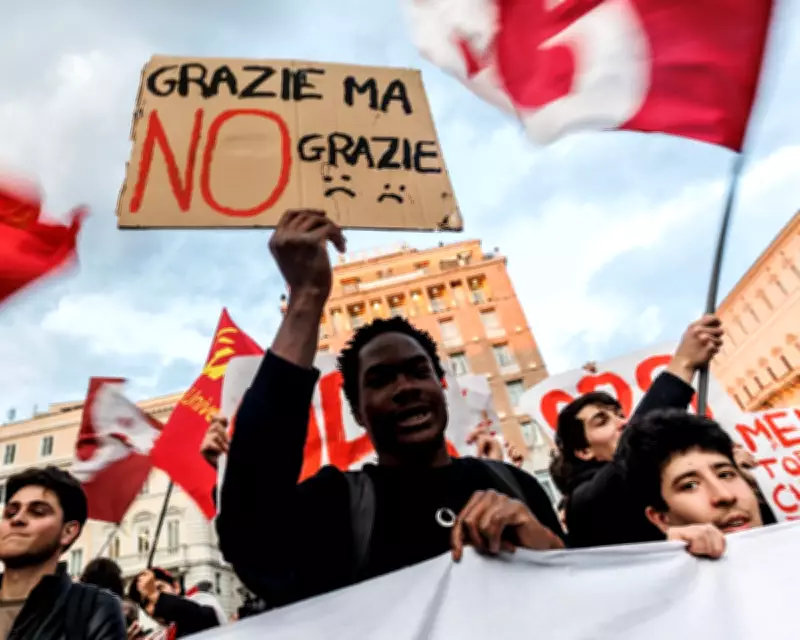
Ordinarily, judicial reform might not be expected to appeal to many young people, often dismissed as politically apathetic. Yet younger Italians participated in remarkable numbers, with the largest share of the vote against the overhauls – 68.4% – coming from 18- to 29-year-olds, according to figures from Cise, a centre for electoral studies at Luiss University in Rome.
The striking turnout was all the more notable given that students and workers living away from their registered home towns were unable to vote by proxy or post, forcing many to travel back specifically to cast their ballots.

Filippo Michelini, a 29-year-old computer scientist living in Brussels, returned to Rome specifically to vote in the referendum. "The constitution is a fundamental element of our society," he explained. "These reforms would have given more power to people who are already powerful."
His friend Sibillia, also 29, shared similar concerns: "Italy's justice system does need to change, it is slow and inefficient. If this was a government I trusted, I might have voted in favour, but from what I could understand, it was not about improving the system."
Government Fallout and Coalition Strains
The consequences of the referendum defeat cannot be underestimated for Meloni's government, which has overseen relative political stability for more than three years. The prime minister has been forced to clean up "illegality" within her own administration amid the fallout.
Tourism minister Daniela Santanchè, a member of Meloni's Brothers of Italy party who has been embroiled in legal wranglings related to her business activities, resigned following the referendum defeat. Before her departure, two justice ministry officials and fellow party members had already fallen on their swords – one of whom was revealed to have held shares in a restaurant with links to the mafia.
Cecilia Sottilotta, an associate politics professor at the University for Foreigners in Perugia, observed: "The resignations show how shrewd Meloni can be. She's kicking the others out in order to avoid bringing the focus on herself and Nordio."
Justice minister Carlo Nordio, who drafted the judicial overhauls and during the campaign referred to the judiciary's supreme council as a "para-mafia system," has rejected opposition calls to step down alongside Meloni.
Coalition Partners Under Pressure
The fallout has also shaken coalition partner Forza Italia, which backed the changes in honour of its late founder, Silvio Berlusconi. The former prime minister faced dozens of criminal trials during his career, and his daughter Marina reportedly pushes to oust the old guard and renew the party.
Maurizio Gasparri, a longtime Berlusconi loyalist, has resigned as the party's senate chief while leader Antonio Tajani reportedly faces removal. Meanwhile, Matteo Salvini, leader of the League and Meloni's third main alliance partner, sought refuge in Budapest, meeting European far-right allies to bolster support for Hungary's prime minister Viktor Orbán before elections there.
Youth Engagement Beyond the Referendum
The high turnout among young Italians can be explained partly by consistent mobilisation in recent years on issues important to them, including the climate crisis, Gaza, civil rights, employment opportunities, and the cost of living. This engagement persists despite sometimes violent repression of protests owing to the government's tough security measures.
Italy's Last Generation climate activist group campaigned against the judicial changes over fears they would "further aggravate the possibility of expressing dissent in a non-violent way," according to Bruno Cappelli, a 33-year-old activist in Puglia.

Matteo Ferrario, a 22-year-old student in Rome, expressed the sentiment of many young voters: "There is great sensitivity on issues such as the climate and what is going on in the world and Italy. But there is also discomfort because there seems to be no alternative."
Like many of his counterparts, Ferrario remains unconvinced by opposition figures including Elly Schlein, the Democratic party leader. "A bit like Meloni, she's part of the shouty politics – all slogans and no solutions, as if they're speaking at a fish market."
Political Landscape and Future Elections
All eyes are now on the next general election, which must take place before October 2027. While Meloni could be tempted to cut her losses and seek a new mandate through an early ballot, she is unlikely to do so given the war in the Middle East and economic pressures.
"The international juncture is bad for everyone, but especially for her," noted Professor Sottilotta. Italy's fragmented opposition parties are seizing on the government turmoil as they strive to build a credible alternative to Meloni, but they should not mistake young voters' referendum snub as a sign of support for them.
In public, Meloni has maintained composure, flying to Algeria for talks on boosting gas supplies and praising the European parliament's approval of sending refused asylum seekers to offshore hubs. However, pressure continues to mount, with thousands expected to march in Rome calling for an end to wars – and for Meloni's resignation.