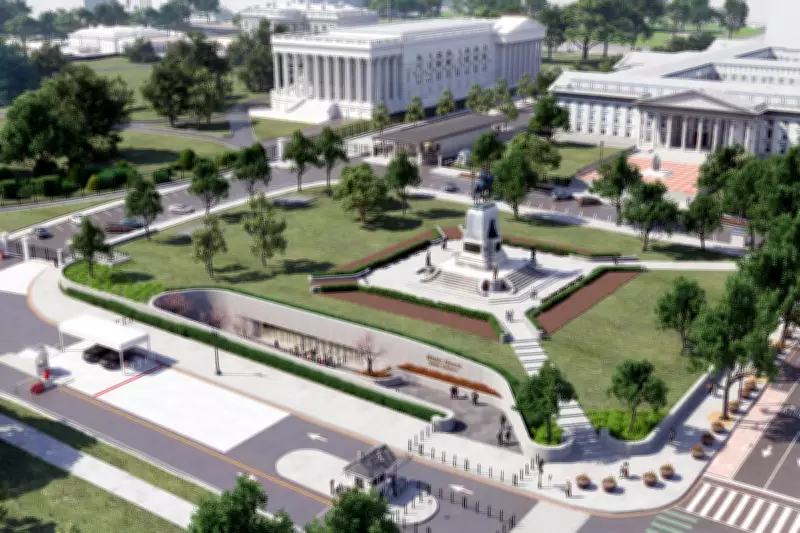
The Commission of Fine Arts has firmly rejected the current design for a proposed new security screening centre for White House visitors, declaring it too large and insufficiently beautiful for its prominent Washington, D.C. location. The panel has instructed the Secret Service to return with a revised, more aesthetically pleasing proposal that better matches its surroundings.
Panel Demands Substantial Design Changes
According to reports, the commission was expected to give preliminary approval to the 33,000-square-foot project during a recent meeting but instead delayed its vote until substantial changes are made. Commission vice chairman James C McCrery II explicitly requested that the building be made shorter in both length and height, emphasising that its prominent position obligates it to be beautiful.
Chairman Rodney Mims Cook Jr. told Secret Service representatives, who have long lobbied for an upgrade from the current temporary trailers and tents, to "come back and pay attention to what we said." He acknowledged the facility is definitely needed and that planning is well underway, but insisted on design improvements.

Stark Contrast with Ballroom Approval
The same commission raised no objections to President Donald Trump's colossal $400 million ballroom project, for which he demolished the East Wing last year. That project is currently under construction, with Trump insisting the ballroom has long been needed to entertain visiting dignitaries and considering it a legacy undertaking.
In contrast, the screening centre is viewed as a more functional facility that has been called for since the aftermath of the September 11, 2001 terror attacks, when current arrangements were first deemed insufficient. Secret Service senior adviser Andy Stohs explained that the existing setup limits technology deployment and creates security challenges, with visitors screened outside in less than ideal conditions.
Proposed Design Features and Controversies
According to plans previously submitted to the National Capital Planning Commission, the proposed design would feature a seven-lane entrance requiring visitors and tour groups to pass under nearby Sherman Park before accessing White House grounds via a sunken plaza. The plans pledged to protect in place the monument to Civil War general William Tecumseh Sherman located in the park's centre.
The NCPC was scheduled to discuss the project at its upcoming April 2 meeting, though that may now be delayed due to the Commission of Fine Arts' aesthetic concerns. This development occurs amidst controversy surrounding NCPC chairman Will Scharf, who also serves as Trump's staff secretary.
Qualifications and Political Appointments Questioned
Several members of the commission have recently been accused of being insufficiently qualified for their positions, potentially rendering their decisions vulnerable to legal challenges. Jon Golinger of nonprofit Public Citizen told media outlets that the commission was created to ensure federal development projects are constructed carefully rather than randomly built due to developer whims or political obsessions.
Connecticut Democratic Senator Richard Blumenthal went further, calling Trump appointees to the commission "henchmen helping the president build his vanity projects." White House spokesman Davis Ingle defended the appointments, stating they have "a wealth of experience that reflects the values of everyday Americans and President Trump's vision to make America great again."
The Independent has reached out to both the White House and the Commission of Fine Arts for further comment on the security centre rejection and the contrasting treatment of the ballroom project.