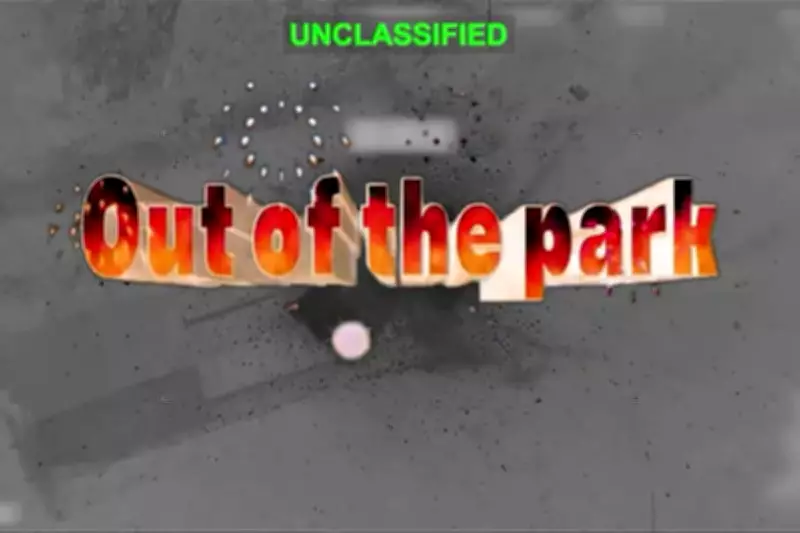
White House Turns to Social Media Memes as Iran War Support Plummets
With public backing for the Trump administration's military campaign in Iran rapidly collapsing, White House officials have pivoted to an unconventional strategy: creating viral social media content that blends real combat footage with video game clips and pop culture references. This approach aims to generate engagement on platforms like Elon Musk's X, even as the conflict enters its third week with shifting justifications and mounting casualties.
"Grinding Away on Banger Memes"
A senior White House official speaking anonymously to Politico revealed the administration's mindset: "We're over here just grinding away on banger memes, dude. There's an entertainment factor to what we do. But ultimately, it boils down to the fact that no one has ever attempted to communicate with the American public this way before."
The official's comments underscore a deliberate shift from traditional war communications toward content designed to resonate with younger, digitally-engaged audiences. White House social media teams have been splicing footage of multi-million dollar airstrikes that have killed hundreds of Iranians with clips from Marvel movies, Call of Duty, and Grand Theft Auto.

Stark Contrast to Previous War Support
This contemporary approach stands in stark contrast to historical precedent. Twenty-three years ago, President George W. Bush's "shock and awe" campaign in Iraq began with a solemn televised address and initially enjoyed overwhelming public support exceeding 90 percent, even without the promised weapons of mass destruction materializing.
Today's Iran conflict faces dramatically different public sentiment. According to a March 18 Data for Progress poll, at least 52 percent of voters believe going to war is not worth the risk to American service members and civilians or the billions in taxpayer dollars. Furthermore, 68 percent oppose deploying U.S. troops on the ground.
Even Trump's Base Shows Reluctance
Remarkably, polling from the Quincy Institute for Responsible Statecraft and The American Conservative magazine reveals significant wariness even within Trump's core supporters:
- 79 percent of MAGA voters would support a declaration of victory and quick end to the war
- Nearly 60 percent oppose deploying boots on the ground entirely
- Younger Trump voters (18-29) support the war by only +8 points compared to +26 among those aged 30-49
"Trump's base favors a face-saving declaration of victory by Washington that could enable a ceasefire and prevent further economic shocks," explained Quincy Institute executive vice president Trita Parsi.
Moral Outrage from Veterans and Faith Leaders
The White House's meme strategy has provoked strong condemnation from military veterans, members of Congress, and religious figures who view the approach as morally bankrupt.
Cardinal Blase J. Cupich, Archbishop of Chicago, delivered a rare public rebuke: "I was sickened by depictions of a real war with real death and real suffering being treated like it's a video game. Hundreds of people are dead, including scores of children. Our government is treating the suffering of the Iranian people as a backdrop for our own entertainment."
Senator Tammy Duckworth, who lost both legs in the Iraq War, stated bluntly: "War is not a f****** video game." Representative Jason Crow, among several Congress members with military backgrounds, called the approach "sick and morally bankrupt," adding that "our servicemembers deserve so much better than this."
Casualties Mount as Impressions Soar
While the human cost continues to rise—with at least 13 U.S. service members killed and 200 injured during the conflict—White House officials are celebrating their social media metrics.
Another anonymous official told Politico: "Over a four day period, the videos that we put out had over 3 billion impressions. That blows away anything we've ever done in the second term."
The official contrasted this approach with previous administrations: "What the former Bush people say? Well, if you want to talk about war communication under the Bush era—not great. 'Mission accomplished'? It's just a different time. It's a different audience."

Richard Painter, former chief White House ethics lawyer under President Bush, offered a sobering perspective: "War is not a movie or a video game. Wars will be a lot less frequent when the people who simulate wars actually have to fight wars."
As the administration continues its digital campaign, the disconnect between viral content and battlefield reality grows ever more pronounced, raising fundamental questions about how modern governments communicate military conflict to increasingly skeptical publics.