European Day of Remembrance for Victims of Terrorism to Be Observed at Westminster and Stormont
The European Day of Remembrance for Victims of Terrorism will be marked with significant events at both Westminster and Stormont this week, honouring those affected by terrorist acts across the continent. This annual commemoration has been observed at Stormont for several years, but this year's ceremonies expand to include Westminster, highlighting a broader commitment to remembrance and support.
Symbolic Lighting and Personal Testimonies
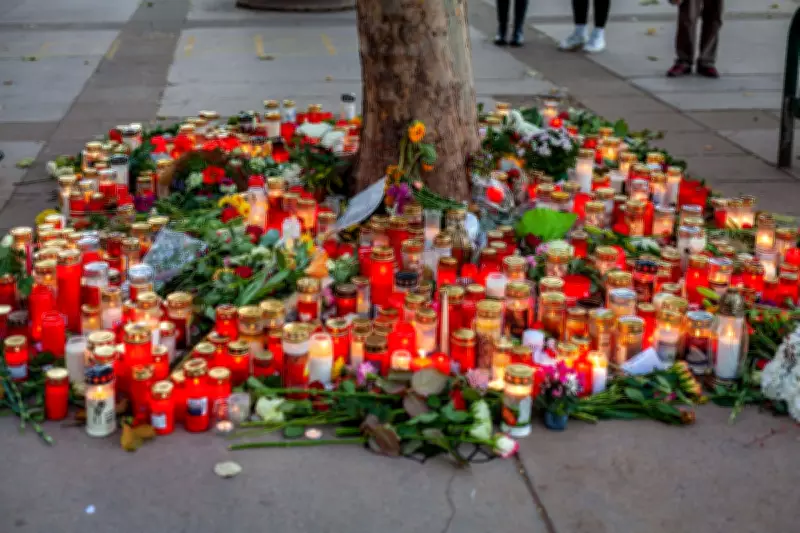
In a poignant display of solidarity, numerous buildings will be illuminated in red on Wednesday to recognise the European Remembrance Day for Victims of Terrorism. Key locations include the Island Arts Centre in Lisburn and St Columb’s Cathedral in Londonderry, serving as visual tributes to the innocent lives lost and impacted by terrorism.
At the Westminster event on Wednesday, powerful testimonies will be shared by Geraldine Ferguson, mother of Sapper Patrick Azimkar, who was killed alongside another soldier by dissident republicans outside Massereene Barracks in Co Antrim. Simon Utley, a survivor of the 1982 Hyde Park bombing, will also speak, offering a firsthand account of resilience and loss.

Stormont Event Features Diverse Voices
An earlier event at Stormont on Monday will bring together a range of voices from different backgrounds affected by terrorism. Speakers include Travis Frain, injured in the 2017 Westminster Bridge attack; John Sproule, whose brother Ian was killed by the IRA in 1991 in Co Tyrone; Denise Mullen, whose father Denis was murdered by loyalist terrorists in 1975; and Pastor Stephen Thompson, whose aunt Yvonne Dunlop died in a bomb attack in 1976. This gathering underscores the widespread and lasting impact of terrorism across communities.
Organisational Efforts and Policy Advocacy
Kenny Donaldson, director of the victim's group SEFF (South East Fermanagh Foundation), played a key role in organising these events. He expressed gratitude to TUV MLA Timothy Gaston and Lord Tom Elliott for sponsoring the Stormont and Westminster ceremonies. Donaldson emphasised that while symbolic acts like lighting buildings red are important, they must be accompanied by substantive policy changes.
"Lighting up for European Day of Remembrance of Victims of Terrorism is an important symbolic representation of support for innocent victims and survivors of terrorism," Donaldson stated. "This year, a range of organisations and public authorities are participating by turning red on the evening of Wednesday 11 March, and we thank all those local drivers making this happen."
Call for Government Action and National Recognition
Donaldson highlighted the United Kingdom's adoption of an official National Day of Remembrance for Victims of Terrorism on 21 August, aligning with the International Day of Remembrance of Victims of Terrorism. SEFF has recognised this date for years and held an official event last August, bringing together victims and survivors from around the world.
However, Donaldson stressed that recognition alone is insufficient. Governments must drive policy changes that address the full needs of innocent victims and survivors, including health and wellbeing, welfare, justice, truth and accountability, compensation schemes, and other practical support. He urged continued advocacy to ensure that remembrance translates into tangible improvements for those affected by terrorism.
The events at Westminster and Stormont serve as a reminder of the ongoing need for compassion, solidarity, and action in supporting terrorism victims and their families.