
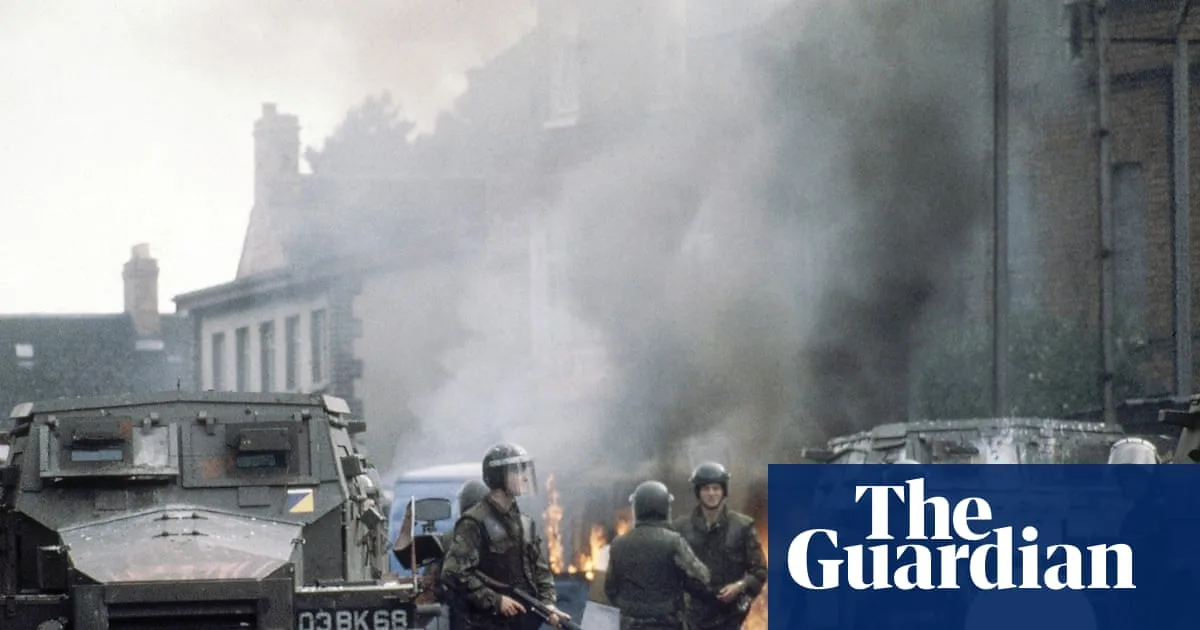
British military veteran groups have condemned a government attempt to remove immunity provisions from Northern Ireland legacy legislation, claiming it will expose former soldiers to “hounding” through the courts. MPs are to vote on Wednesday on a motion to reverse a Tory-era law that granted conditional immunity to those accused of wrongdoing during the Troubles.
The government tabled a remedial order to remove the immunity clause after court challenges said it was incompatible with the European convention on human rights. Prime Minister Keir Starmer told the House of Commons that the change would fulfill legal obligations while protecting veterans from vexatious prosecutions.
Conservative leader Kemi Badenoch said her party would vote against the motion to protect veterans from “unfair prosecution”. Former SAS commanders accused Labour of leaving former soldiers vulnerable to harassment by “money-hungry law firms” in a legal cycle that could last decades.
The original Legacy Act – which Northern Ireland parties and victims’ groups called an affront to justice – scrapped about 230 civil actions related to the Troubles. Under Labour’s proposals, judges would have the power to revive those actions and lift the bar on new civil claims.
Northern Ireland Secretary Hilary Benn said the remedial order was essential to rebuild trust and restore the right to seek redress through the courts. The government added that separate legacy legislation would incorporate six protections for former soldiers, including shielding them from repeated investigations and allowing remote testimony.
Last year the British and Irish governments agreed a framework to overhaul the legacy legislation, with Dublin dropping a pending inter-state case at the European court of human rights in return for the changes.




