The Staggering Financial Toll of US Military Action in Iran
While the White House hesitates to label the ongoing US-Israeli attacks on Iran as a formal "war," the financial consequences for American taxpayers are undeniably substantial and rapidly accumulating. According to recent Pentagon briefings and White House economic updates, the United States has already expended between $11.3 billion and $12 billion on military operations targeting Iran since late February. This colossal sum, however, represents merely the initial direct costs of the conflict, excluding expenses for repairing damaged facilities, replacing lost equipment, or the pre-deployment buildup of troops and naval assets in the region.
A Humanitarian Crisis and Mounting Economic Burden
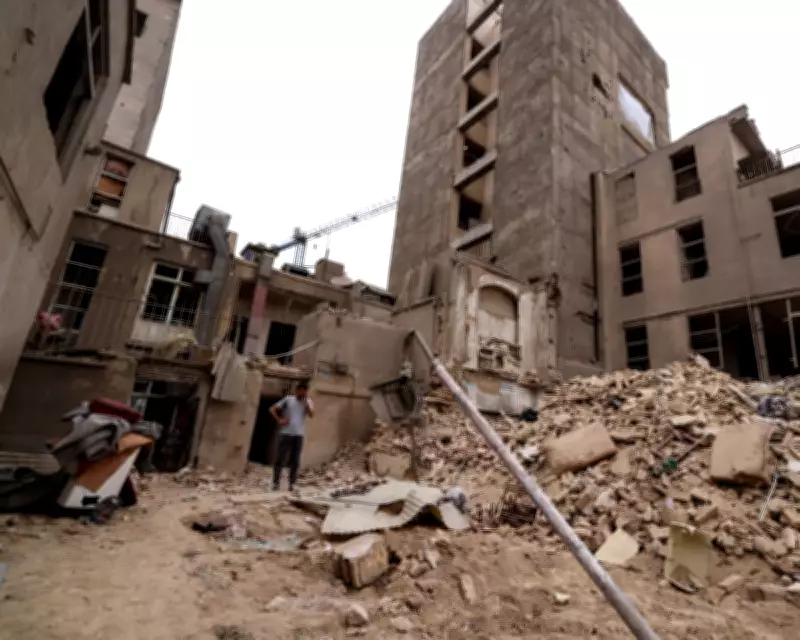
The human cost of the conflict, dubbed "Operation Epic Fury" by some observers, is devastating. Reports indicate over 1,300 fatalities in Iran, including more than 200 children, while Lebanon has seen more than 800 deaths and the displacement of over 815,000 people due to expanded Israeli ground operations. Simultaneously, ordinary Americans are beginning to feel the economic strain. The $12 billion spent in just over two weeks of conflict could have transformed numerous domestic programs and alleviated pressing social issues across the United States.
What $12 Billion Could Have Achieved Domestically
Consider the potential alternative uses for this military expenditure. The Philadelphia school district, facing a $300 million structural deficit forcing severe budget cuts, could have eliminated its shortfall with less than half a day's worth of war funding. Nationally, the $12 billion could have covered out-of-pocket classroom supply expenses for America's 3.7 to 3.8 million public school teachers for more than four years, as teachers currently spend between $500 and $900 annually from their own pockets.

Furthermore, this amount could have paid off the federal student loan debt for approximately 300,000 Americans, each carrying an average balance of $39,547. Alternatively, it could have funded 1.62 million full Pell grants for one year, providing need-based financial aid to undergraduate students. Addressing homelessness, an analysis suggests an additional $9.6 billion could house every household in US homeless shelters—a goal nearly achievable with less than two weeks of current war spending.
Broader Economic Impacts and Political Priorities
The financial repercussions extend beyond direct military costs. Americans are bracing for higher prices on groceries, gasoline, and electricity as the conflict disrupts global markets and supply chains. This situation starkly highlights national priorities, as articulated by former Vice President Joe Biden's adage: "Don't tell me what you value. Show me your budget, and I'll tell you what you value." The allocation of billions toward military engagement in the Middle East, while domestic needs like education, healthcare, and infrastructure remain underfunded, sends a clear message about governmental values.
Despite assertions from figures like House Speaker Mike Johnson that "we are not at war," the escalating costs and humanitarian toll suggest otherwise. As the conflict continues with no clear endpoint, the financial burden on US taxpayers will only increase, diverting resources from critical domestic investments and exacerbating economic challenges for American families.