
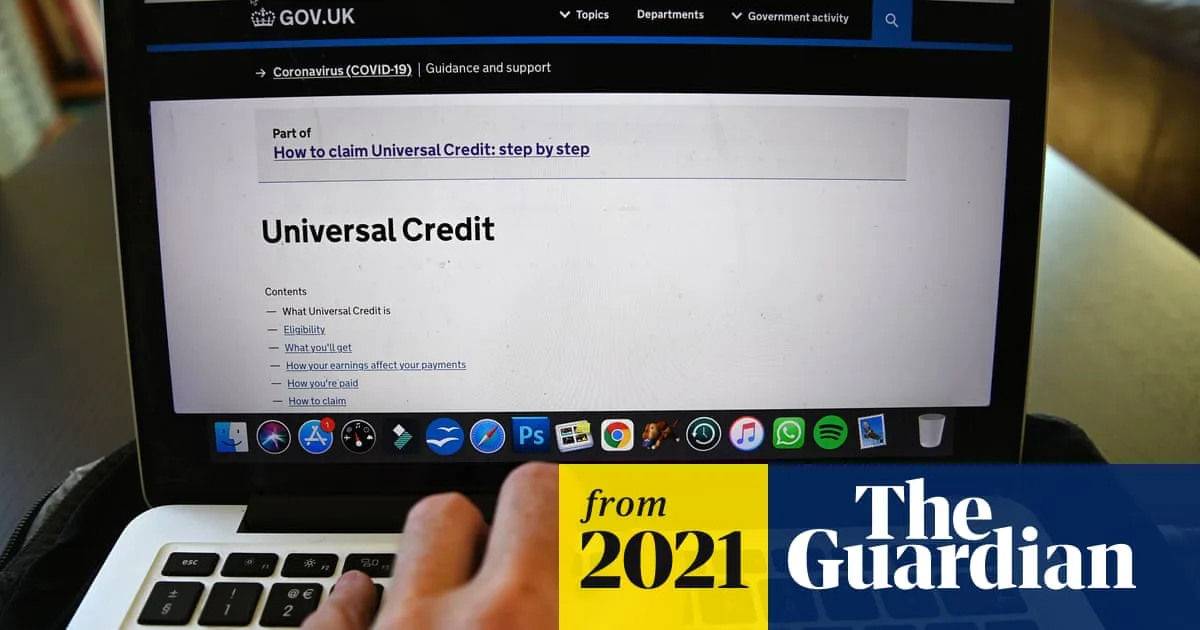
The Department for Work and Pensions (DWP) has lost control of Universal Credit fraud, according to a cross-party committee of MPs after figures showed billions of pounds were lost to scams during the first year of the pandemic.
The Public Accounts Committee (PAC) said benefits fraud and error hit record levels in 2020-21, when £8.3bn was overpaid, up from £4.5bn the previous year. This accounted for 7.5% of the DWP's non-pension benefits spending. Most was related to Universal Credit, including a £68m mass identity hijack by organised crime groups who stole the identities of thousands of claimants to fraudulently obtain advance payments. Around 10,000 claimants had their benefits stopped or were wrongly asked to repay money as a result.
Dame Meg Hillier, chair of the PAC, said the department appeared 'unequipped either to properly administer our labyrinthine benefits system or detect and correct years of mistakes across too many of our basic state welfare entitlements.' She added: 'This situation is untenable and taxpayers – who also include benefit claimants – are losing billions because of it.'
The DWP said the explosion in claims during the first coronavirus lockdown, when at its peak 100,000 people a day entered the benefit system, contributed to the rise. Officials relaxed some counter-fraud controls, such as face-to-face identity checks, to focus on providing rapid support. A government spokesperson said it was 'disappointing' that the PAC had failed to acknowledge the department prioritised supporting record numbers of genuine claimants during an unprecedented pandemic.
MPs expressed concerns that the design of Universal Credit makes it prone to error and fraud. The five-week wait for a first payment means claimants often take out advances, with around 1.5 million issued in 2020-21, described as 'particularly vulnerable to fraudulent claims.' There was also a steep rise in claimants understating savings, with people holding more than £16,000 ineligible for the benefit.




