UK Political Parties Navigate Public Opinion on Iran Conflict
UK Parties Face Voter Splits Over Iran War Stance

UK Political Landscape Divided Over Iran Conflict Strategy

During Prime Minister's Questions on Wednesday, Business Secretary Kemi Badenoch launched a sharp critique against Labour leader Keir Starmer, accusing him of failing to advocate for "offensive action" following attacks on British military bases. This exchange highlighted the deepening political fissures as UK parties grapple with public sentiment on the ongoing war in Iran.

Polling Reveals Public Preference for Defensive Posture

A recent YouGov survey of 6,285 adults across Britain indicates that nearly half of the population, approximately 46%, supports a purely defensive military role for the UK. This stance involves tasks such as intercepting drones and safeguarding civilian areas and facilities, including an RAF base in Cyprus. The findings emerge amid international criticism, with Cyprus expressing concerns over insufficient protection and former US President Donald Trump alleging a lack of UK support, while former Prime Minister Tony Blair argued that Starmer should have backed America from the outset.

Despite these external pressures, Starmer's cautious approach appears to resonate with voters, offering him a measure of political stability during a tumultuous period. However, the poll underscores significant challenges for right-wing opponents, as noted by Tim Bale, a politics professor at Queen Mary University of London, who observed that the Conservatives and Reform UK face greater difficulties in aligning their leaders' responses with voter expectations.

Wide Pickt banner — collaborative shopping lists app for Telegram, phone mockup with grocery list

Conservative Party's Internal Strains

In a departure from historical Conservative caution during wartime, Kemi Badenoch has adopted an aggressive stance, aiming to portray Labour as unpatriotic. During parliamentary debates, she criticized Starmer for not pursuing offensive measures after attacks on UK bases. Yet, this position aligns with only 15% of Tory voters, according to the YouGov data, while 37% favour a purely defensive approach and another 37% support retaliatory actions.

Bale commented that Badenoch seems "clearly out of touch with some Conservative voters," noting her tendency to lead rather than follow, which may have limits. He contrasted her approach with past opposition leaders who often tempered criticism during conflicts, suggesting parallels only with the Suez Crisis, where Labour eventually opposed government policy.

Reform UK's Voter Divisions

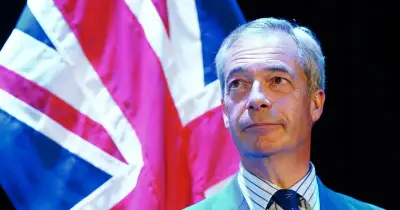
Nigel Farage's Reform UK faces a deeply split electorate regarding the Iran conflict. Nearly a quarter, 24%, of its voters believe the UK should actively join attacks on Iran, reflecting Farage's vocal endorsement of regime change. However, this risks alienating the 28% and 35% of Reform supporters who prefer defensive or retaliatory stances, highlighting isolationist tendencies within the party.

Gawain Towler, a Reform board member, disputed the polling, claiming widespread base support for Farage's position, viewing the conflict as distinct from past wars like Iraq. Additionally, Farage's association with Donald Trump, who remains unpopular in Britain, could hinder efforts to attract undecided or "Reform curious" voters.

Labour's Alignment with Voter Sentiment

Starmer's defensive stance appears well-aligned with both national opinion and Labour's voter base, with 59% of Labour supporters favouring a purely defensive role. Bale attributed this to the lingering shadow of the Iraq war, which has shaped Labour voter attitudes. While 32% of all voters approve of Starmer's handling of relations with Trump, this figure rises to 53% among Labour voters.

London Mayor Sadiq Khan reinforced this view, stating on social media that Starmer is correct to resist pressure from Trump, describing the conflict as a "war of choice" with potential economic repercussions at home.

Liberal Democrats and Greens Capitalise on Anti-War Sentiment

Both the Liberal Democrats and Green Party have historically benefited from opposing UK involvement in wars, with Charles Kennedy's leadership during the Iraq war serving as a notable example. The YouGov poll indicates that 61% of Lib Dem voters and 59% of Green voters support a defensive stance. However, the Greens' recent leftward shift and growing support from disaffected Labour voters suggest anti-war sentiment may be even stronger now.

Pickt after-article banner — collaborative shopping lists app with family illustration

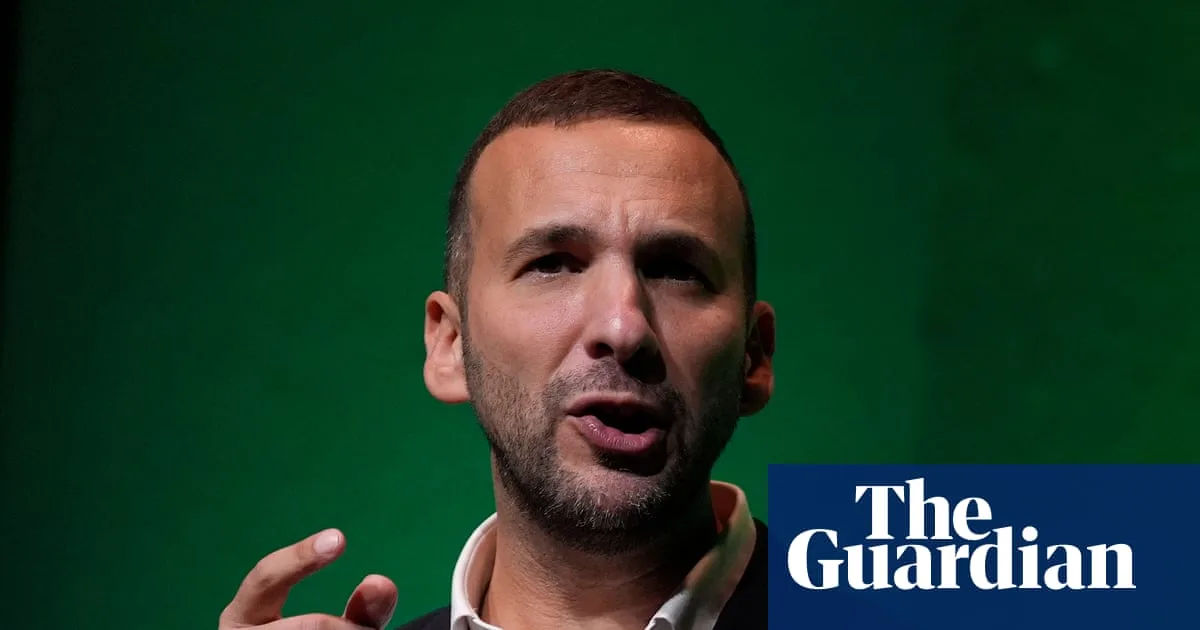
A Green source claimed that since 2024, their voter base has potentially tripled, with many coming from the left of Labour, likely amplifying anti-war views. Looking ahead, Labour may link public insecurity with Green leader Zack Polanski's desire to leave an "unreformed" NATO alliance, adding another layer to the political fallout.

In summary, the Iran conflict has exposed clear divides in UK politics, with Labour currently enjoying broad public support for its defensive posture, while Conservatives and Reform navigate more complex voter landscapes. As the situation evolves, parties will need to carefully balance leadership rhetoric with electoral realities to maintain or gain traction among a cautious electorate.