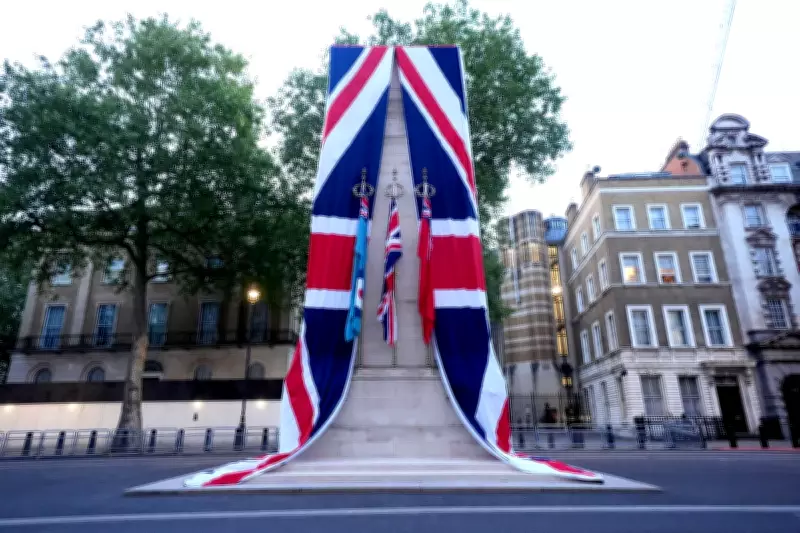
The UK government is set to introduce stringent new measures under the Crime and Policing Bill, which will criminalise trespassing at key memorial sites across the country. This legislation aims to protect these locations from vandalism and disrespect, following recent incidents that have sparked widespread concern.
Enhanced Protection for Memorial Sites
Under the proposed law, climbing over or trespassing in designated memorial areas without a valid reason will become a criminal offence. Offenders could face severe penalties, including up to three months in imprisonment and fines reaching £1,000. This move is designed to deter acts of desecration and ensure that these sites remain respected and intact for future generations.
Focus on Holocaust Memorial Garden
The Holocaust Memorial Garden in Hyde Park, London, is a primary focus of the new legislation. This decision comes after the memorial was obscured during a recent demonstration, raising alarms about potential antisemitic vandalism. Peers and lawmakers have emphasised the need to safeguard this site, given its historical significance and the sensitive nature of what it represents.
In addition to the Holocaust Memorial Garden, other prominent memorials will also receive enhanced protection. These include The Cenotaph in Whitehall, a symbol of national remembrance for fallen soldiers, and the statue of Sir Winston Churchill, which has previously been targeted with graffiti labelling him a 'Zionist war criminal'. The inclusion of these sites underscores the government's commitment to preserving national heritage and preventing hate crimes.
Broader Implications of the Bill
The Crime and Policing Bill extends beyond memorial protection to address other public safety concerns. An amendment within the bill will ban protests outside the homes of public office-holders, such as MPs and peers. This measure aims to prevent harassment and intimidation, ensuring that individuals in public roles can perform their duties without fear of personal safety threats.
This comprehensive approach reflects a broader strategy to maintain order and respect in public spaces, balancing the right to protest with the need to protect individuals and historical sites from harm.
Public and Political Reactions
The proposed changes have elicited mixed reactions from the public and political commentators. Supporters argue that the legislation is necessary to combat rising incidents of vandalism and antisemitism, while critics express concerns about potential overreach and the impact on civil liberties. However, the government maintains that these measures are essential for upholding public decency and national security.
As the bill progresses through Parliament, further debates are expected to shape its final form, with stakeholders from various sectors weighing in on its implications for UK law and society.