British Hawks Criticise Starmer's Stance on US-Israel War with Iran
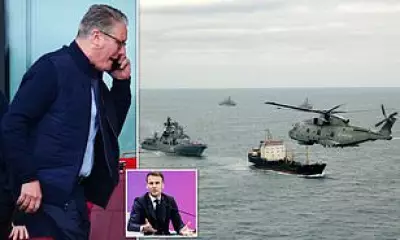
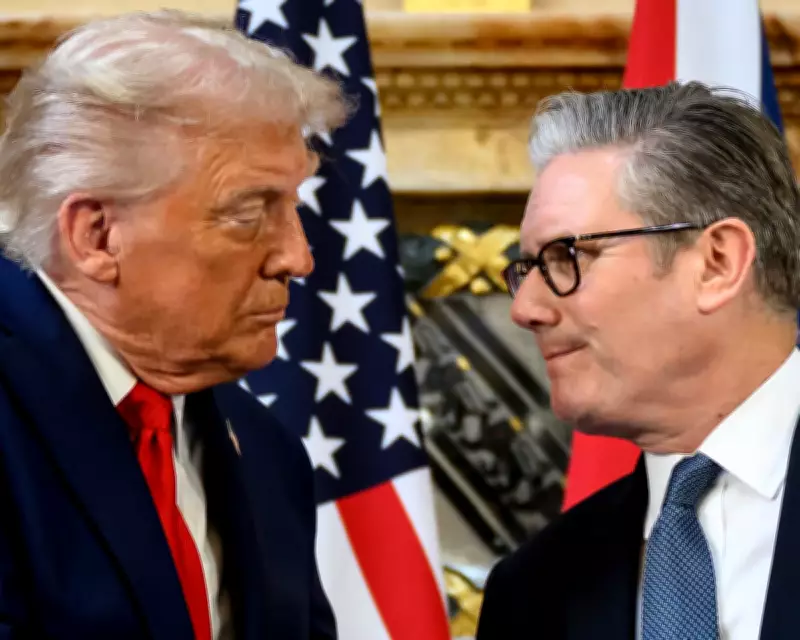
In a week dominated by geopolitical tensions, Britain's war hawks have voiced significant discontent with Prime Minister Keir Starmer's reluctance to commit the UK to immediate military involvement in the US-Israel conflict with Iran. The criticism comes as Donald Trump, the former US president, dismissed Starmer in a comparison to Winston Churchill, highlighting a broader rift in transatlantic relations.
Public Opinion Versus Political Pressure
Polls indicate that UK citizens oppose US-Israeli attacks on Iran by a margin of 49% to 28%, reflecting a clear public preference against entanglement in what many perceive as a disastrous war. Despite this, figures like Nigel Farage of Reform UK have openly disregarded public sentiment, stating, "I don't follow public opinion," a stance that contrasts sharply with his previous advocacy for listening to ordinary people.
This shift has sparked debate over whether political leaders are entering a new era where voter opinions are sidelined in favour of alignment with international allies, particularly Trump's administration.

Trump's Influence and International Reactions
Trump's administration, described by former NATO commander Richard Shirreff as "gung-ho nutters" with unclear war aims, has pressured allies for support. In response, Conservative leader Kemi Badenoch expressed concern over criticism from nations like Bahrain and Kuwait, framing it as a blow to Britain's reputation. However, critics argue that such worries overlook the authoritarian practices of these countries, such as arbitrary detentions and torture.
The situation escalated with Trump's demand for Israel to pardon Benjamin Netanyahu, suggesting alternative solutions might have averted the conflict. Observers note Netanyahu's potential use of war to defer legal troubles, raising questions about the motivations behind the military actions.
Media and Cultural Backdrop
Amid the turmoil, surreal moments emerged, such as Lionel Messi and the Inter Miami squad appearing as backdrop during a White House war update, highlighting the bizarre intersection of sports and geopolitics. Trump's comments on selecting Iran's next supreme leader added to the confusion, with his dismissal of a proposed candidate as a "lightweight" underscoring the erratic nature of his foreign policy.
As the conflict unfolds, British politicians face a dilemma: uphold public opposition or risk being perceived as weak on the global stage. The debate continues, with Starmer's cautious approach drawing both ire and support in a divided political landscape.