Republican Party Faces Internal Criticism Over Perceived Disconnect from Voter Priorities
As the protracted conflict with Iran continues to disrupt global energy markets and domestic fuel costs remain stubbornly high, significant voices within the Republican Party are expressing alarm that their political movement risks appearing profoundly out of touch with the everyday economic anxieties of American voters. A new report highlights growing concerns that the GOP's legislative agenda, heavily focused on immigration enforcement and voting regulations, fails to address the pressing pocketbook issues that polls indicate are paramount for the electorate.
Economic Pain at the Pump Overshadows Political Messaging
The ongoing war, which escalated after ceasefire talks collapsed, has triggered a severe spike in global oil prices, pushing the average cost of a gallon of gasoline above $4. This direct financial impact on households is creating a challenging political environment. Senate Majority Leader John Thune acknowledged the tangible effect, stating, "People are feeling it. ... That is an issue on which I think people do vote." While Thune contended the current price increases stem from national security imperatives rather than domestic policy, he conceded the end result for consumers is identical to previous inflationary periods.
Public sentiment data underscores this vulnerability. A recent Pew Research Center survey found that 69 percent of Americans are concerned about elevated fuel prices resulting from the Iran conflict. Furthermore, multiple polls show a majority of the public opposes the war itself, and a significant CNN poll revealed that 67 percent of respondents believe former President Donald Trump has not paid sufficient attention to the nation's most pressing problems, with economic issues like the cost of living dominating voter concerns.

Legislative Focus Questioned as Midterms Approach
Despite these clear economic signals, the Republican legislative strategy in the Senate remains centered on two primary areas: funding for Immigration and Customs Enforcement and Customs and Border Protection amid a Department of Homeland Security shutdown, and advancing the SAVE America Act, which aims to tighten federal voter registration rules. This approach has sparked internal criticism that the party is misreading the political moment.
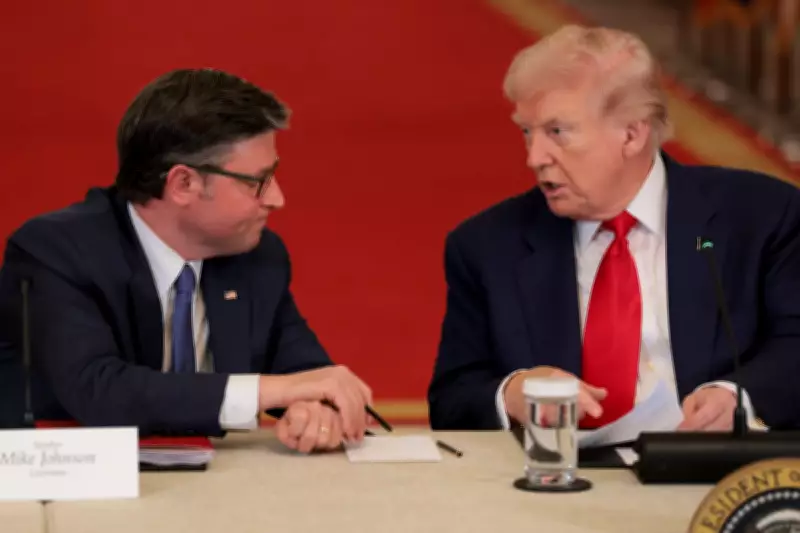
One national Republican operative voiced blunt frustration to NOTUS, arguing the GOP "should easily win" on economic issues but is instead catering to fringe elements. "But if all we're doing is doing things to appeal to our loony folks and [Speaker Mike] Johnson keeps caving over and over again to the small, ineffective Freedom Caucus folks instead of just doing the things that have to be done for the majority — like this is how we get here, right?" the operative said. Another unnamed Senate Republican lamented the lack of a coherent strategy from the White House on the war and its funding, describing moments of confusion triggered by Trump's social media activity.
Geopolitical Tensions and Political Divisions
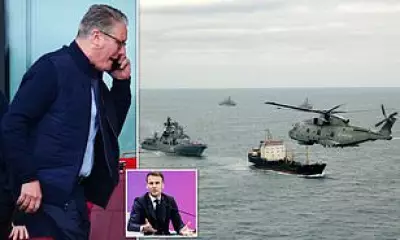
The foreign policy crisis continues to deepen. After negotiations broke down, Trump announced a U.S. blockade of the Strait of Hormuz, a critical global oil chokepoint, prompting mocking rhetoric from Iranian leadership. The conflict, which has caused thousands of casualties, now faces potential congressional intervention via a war powers resolution that Democratic Senate Minority Leader Chuck Schumer plans to bring to a vote, aiming to limit presidential military authority in the region.
Within Republican ranks, a division persists. While some lawmakers express anxiety about the war's political fallout and the party's messaging, others, like Senator Lindsey Graham, remain staunchly aligned with Trump's national security posture. Graham defended the administration's actions as necessary to prevent a hostile regime from obtaining nuclear weapons, dismissing electoral concerns.

As lawmakers return to Capitol Hill facing this complex domestic and international landscape, the central challenge for Republicans is clear: reconciling a base-driven agenda with the broad economic concerns that polling suggests will decisively influence the upcoming midterm elections. The tension between appealing to core supporters and addressing the financial realities of the wider electorate presents a significant strategic dilemma in a highly charged political climate.