UK Dragged Into Trump's Iran Conflict: Starmer's Political Weakness Limits War Role
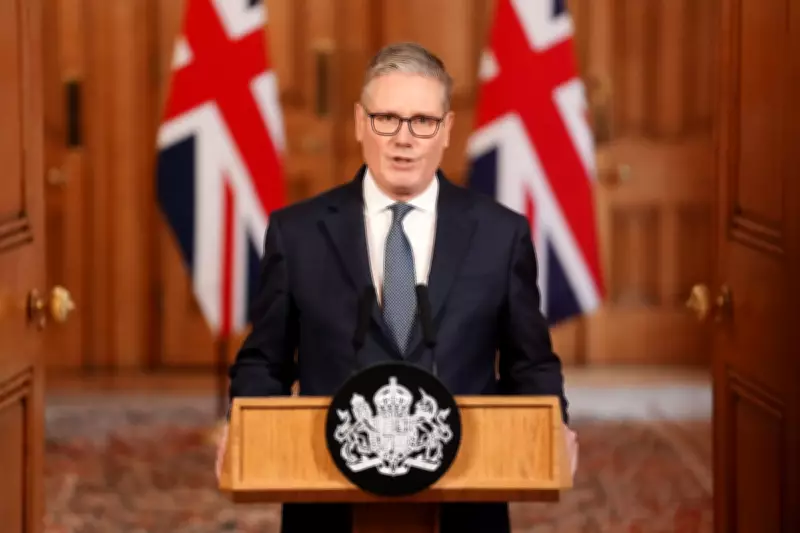
The United Kingdom has been reluctantly drawn into Donald Trump's escalating war with Iran, following Prime Minister Keir Starmer's confirmation that American forces may utilise British military bases for defensive strikes against Iranian missile sites. This decision, announced late on Sunday night, represents a significant shift in UK foreign policy and is widely viewed as the initial phase of Britain's entanglement in a broader Middle Eastern conflict.
Historical Precedents Haunting Starmer's Decision
As Prime Minister Starmer navigates these critical hours, the legacies of two former Labour leaders loom large over his deliberations. The late Harold Wilson's controversial refusal to commit British troops to the Vietnam War during the 1960s stands in stark contrast to Tony Blair's unwavering support for American intervention in Iraq decades later.
Wilson faced intense criticism from political opponents who accused him of damaging the Special Relationship with the United States and diminishing Britain's global standing. Historical perspective has largely vindicated his cautious approach, particularly as allied nations like Australia later regretted their military involvement.

Conversely, Tony Blair embraced military intervention as a legitimate foreign policy tool even before George W. Bush's presidency, famously articulating this position during his 1999 Chicago speech. Blair's decision to join the Iraq War, supported by questionable intelligence and resulting in significant political rebellion, ultimately contributed to the erosion of his premiership.
Starmer's Precarious Middle Path
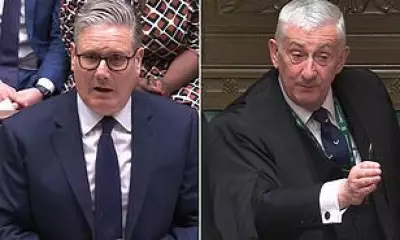
Facing mounting pressure from Conservative and Reform Party critics for initially refusing American requests, Starmer has adopted a characteristically cautious middle ground. His partial authorization permits defensive use of RAF bases to protect allied assets in the region, but stops well short of committing British forces to offensive operations.
This compromise has satisfied few, drawing criticism from both political opponents and substantial elements within his own Labour backbenches. The prime minister's background as a human rights lawyer with demonstrated commitment to international legal frameworks further complicates potential escalation, with Attorney General Lord Hermer reportedly questioning the conflict's legality.
Political Vulnerability Constrains War Options
The fundamental constraint on Starmer's ability to deepen British involvement stems from his profoundly weak political position. Unlike Blair during the Iraq decision—when the Labour leader commanded substantial parliamentary majorities and public support—Starmer presides over a fractured party and dismal polling numbers.
Recent electoral setbacks include the loss of Labour's seventh safest seat to the Green Party, ongoing attempts by Labour MPs to oust his leadership, and anticipation of disappointing results in the upcoming May elections. As one of the most unpopular prime ministers in modern British history, Starmer lacks both the moral authority and political capital necessary to commit the nation to full-scale warfare.
Even the revelation that British security services have thwarted approximately twenty Iran-sponsored terror attacks within the UK over the past year—which could provide substantial justification for military engagement—appears insufficient to overcome these political limitations.
Limited Scope for Future Escalation
The trajectory of British involvement appears firmly constrained to defensive measures unless circumstances change dramatically. Only a direct, catastrophic attack by Iran against British interests—such as the recent drone strike on the RAF Akrotiri base in Cyprus or terror attacks on UK soil—could potentially shift this calculus.
Even under such extreme scenarios, substantial debate would inevitably occur within Labour ranks regarding whether diplomatic solutions should precede military responses. Starmer's premiership, marked by cautious compromise and political vulnerability, seems fundamentally incompatible with the bold, controversial decisions that full-scale war would demand.

As the Middle East conflict escalates following Trump's massive military strike against Iran, Britain finds itself reluctantly involved yet politically incapable of deeper commitment—a precarious position reflecting both historical lessons and contemporary political realities.