UK Government Implements Deep Aid Cuts, Triggering 'Moral Catastrophe' Warnings
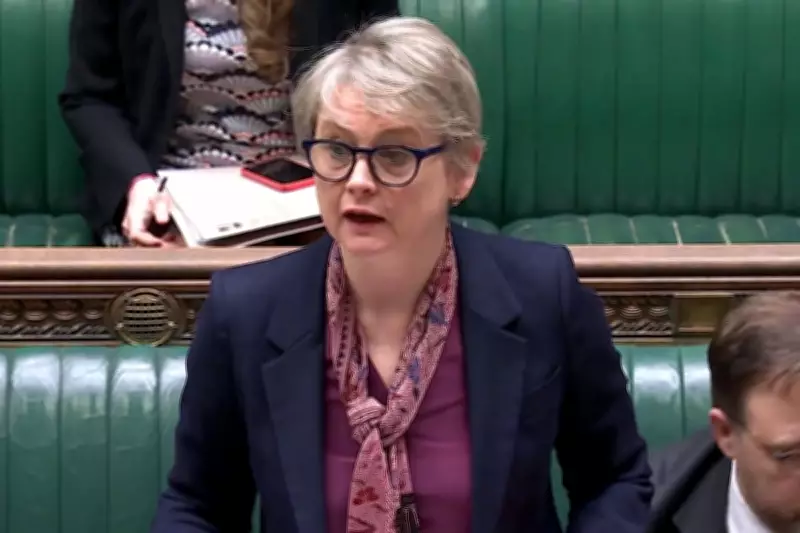
In a controversial move, the UK government has announced significant reductions in foreign aid spending, targeting a 40% overall cut that has been labelled a "moral catastrophe" by critics. Foreign Secretary Yvette Cooper outlined plans that will see support for some of the world's poorest nations drastically reduced, with particular impacts on African countries and key health initiatives.
Severe Reductions for African Nations and HIV Programmes
Under the new strategy, aid to African countries will plummet from £1.3 billion annually to £677 million over the next three years, representing a staggering 56% decrease. Nations including Afghanistan, Yemen, and Myanmar are also set to face substantial funding reductions. Notably, the government has failed to fully protect funding for HIV treatment, despite urgent appeals from MPs, charities, and media outlets to maintain support until 2030. This decision raises concerns that progress in combating the disease could be reversed, as aid cuts threaten vital healthcare infrastructure.
HIV funding will now be primarily channelled through the Global Fund, which itself saw a £150 million cut from the UK last December, and through bilateral aid programmes to developing countries. However, these bilateral programmes are also subject to significant reductions, compounding the potential negative effects on public health outcomes in vulnerable regions.

Shift in Priorities Towards Conflict Zones and Multilateral Institutions
Ms Cooper emphasised a strategic pivot towards prioritising funding for multilateral institutions such as the United Nations and the World Bank. Additionally, aid to countries classified as "fragile and conflict-affected," including Sudan, Ukraine, Palestine, and Lebanon, will increase from 57% to 71% of the total budget. While this shift aims to address immediate crises, it means that low-income nations not deemed conflict-affected are likely to suffer substantial losses, despite their ongoing struggles to attract foreign investment beyond aid.
The foreign secretary highlighted that central programme spending on violence against women and girls, women's peace and security, and preventing sexual violence in conflict has been "fully protected." However, education programmes are expected to face cuts, potentially undermining long-term development goals in affected regions.
Specific Impacts and Broader Consequences
The 56% decline in aid between 2026/27 and 2028/29 will hit bilateral assistance to numerous African countries, including Uganda, Kenya, Tanzania, Zambia, Malawi, Mozambique, Rwanda, Zimbabwe, Ghana, Mauritius, Senegal, and Sierra Leone. Furthermore, humanitarian crisis relief for natural disasters will be reduced by 15%, falling to just under £300 million per year.
Climate funding is also set to decrease sharply, dropping from £11.6 billion over five years to £6 billion across the next three years, a reduction of almost 15%. This contrasts with previous trends where UK climate finance doubled every five years, raising alarms about the nation's commitment to global environmental challenges.
Political and Expert Reactions
Development Minister Jenny Chapman asserted that HIV remains a government priority, stating commitment to the agenda and announcing £4 million in funding for UNAIDs before its services are absorbed into other agencies. However, critics have been vocal in their condemnation.
Ian Mitchell, a senior fellow at the Center for Global Development, warned that reducing aid to Africa, where fragility and poverty are concentrated, is difficult to justify and risks hollow promises of "global partnerships." He stressed strong public support for aiding those most in need, particularly in Africa.
Sarah Champion, chair of the International Development Select Committee, criticised the strategy of cutting aid to fund defence spending as a false dichotomy, arguing that development spending enhances global security by keeping people fed, safe, and prosperous. Liberal Democrat spokesperson Monica Harding described the cuts as more severe than those made by Donald Trump in the US or the previous Conservative government, labelling them a "moral catastrophe."

Green Party spokesperson Dr Ellie Chowns MP echoed concerns, stating that cutting international aid is a false economy that jeopardises Britain's security by destabilising the world. Catherine Pettengell of Climate Action Network UK called the reductions "really bad," given the historical doubling of climate finance.
Adrian Lovett, UK Executive Director of the ONE Campaign, highlighted the devastating impact of slashing bilateral aid to Africa, predicting that millions could lose access to healthcare, education, and humanitarian support, with risks of resurgent diseases. He noted that while Foreign, Commonwealth and Development Office officials attempted to shield some priorities, a 40% cut inevitably leads to severe consequences for the world's poorest nations.
These aid announcements follow last year's decision by Sir Keir Starmer to reduce aid spending from 0.5% to 0.3% of gross national income, a move ministers linked to funding higher defence spending in response to Russia's invasion of Ukraine. The ongoing debate underscores tensions between fiscal constraints, global responsibilities, and national security imperatives.