Trump's Voter ID Crusade Divides Senate Republicans as Democrats Stand United
Donald Trump is creating significant fractures within his own party's Senate caucus while Democrats maintain remarkable unity in opposition. The impending failure of the SAVE Act, which would establish national voter identification requirements, represents more trouble than it's worth for Republicans facing difficult political calculations.
Legislative Defeat Mirrors Biden's Struggles
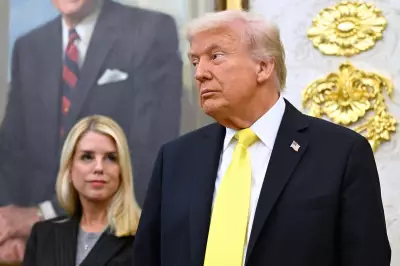
Donald Trump appears to be experiencing his own version of Joe Biden's legislative frustrations as one of his signature second-term priorities heads toward almost certain defeat on the Senate floor. The SAVE America Act narrowly cleared a Tuesday procedural vote with every Democrat opposing the measure and Republican Senator Lisa Murkowski of Alaska joining them in dissent.
This legislative failure presents a familiar problem for Trump, marking the second time as president that he faces rejection of his agenda by a Republican-controlled Congress. The situation strikingly parallels the political collapse of Biden's Build Back Better initiative during his presidency.

Republican Leadership Rejects Radical Measures
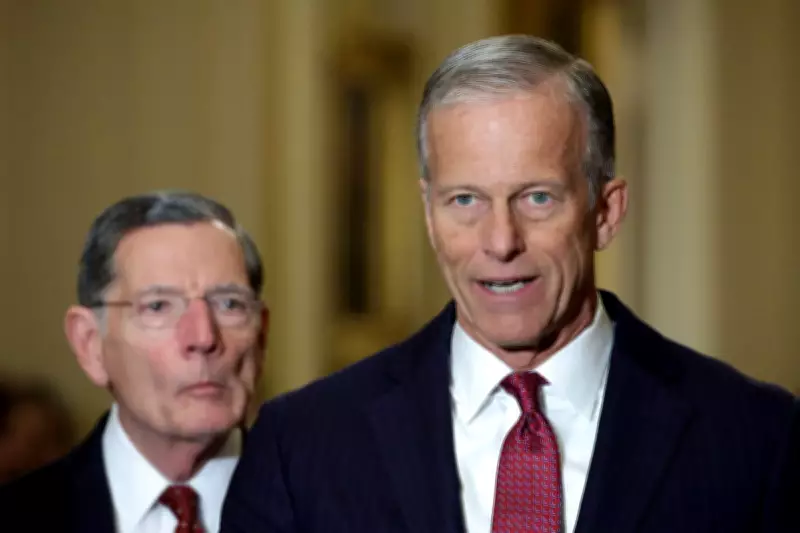
Senate Majority Leader John Thune has made clear that insufficient support exists within his caucus to eliminate the legislative filibuster, which would make passing the bill significantly easier. During a press conference, Thune declined to treat the issue with any sense of frantic urgency, instead emphasizing practical political realities.
The Republican leader responded directly to remarks from Senator Mike Lee, one of Trump's staunchest supporters in the chamber, who called for primary challenges against Republicans voting against the bill. Thune firmly rejected this approach, stating his preference for Republicans to focus their energy on opposing Democrats rather than fighting fellow party members.
"We may not agree on everything, but I'm more in favor of ensuring that we have Republicans holding these seats in the Senate than handing them to Democrats," Thune told reporters, highlighting the strategic calculations facing GOP leadership.
Trump's Unyielding Position Creates Internal Tensions
Despite Thune's pragmatic approach, Trump and his allies show no signs of backing down. The former president reiterated his hardline position on Truth Social, declaring: "I WILL NEVER (EVER!) ENDORSE ANYONE WHO VOTES AGAINST 'SAVE AMERICA!!!'"
This continued anger raises critical questions about how Trump will respond when the legislation inevitably fails. The issue weighs heavily on Republican minds, particularly for Senator Tim Scott, who heads the GOP's Senate campaign arm as the 2026 midterm cycle gains momentum.
While only Senator Murkowski has openly opposed the SAVE Act so far, Trump has already withheld his endorsement from two sitting Republican senators facing challenging primaries this year: John Cornyn and Bill Cassidy. The president could potentially use their votes on the SAVE Act against them in endorsement decisions or direct his frustration toward any incumbent by supporting primary challengers.
Internal Criticism and Unrealistic Expectations
Former Senate GOP leader Mitch McConnell remains undecided on his final vote, though the Kentucky senator supported bringing the legislation to the floor on Tuesday. Given McConnell's long-standing rivalry with Trump, any defiance could be interpreted by the president as a personal affront.
Senator Thom Tillis of North Carolina voiced frustration with what he described as unrealistic expectations from far-right Republicans. In comments to CNN's Manu Raju, Tillis blamed conservative members for pursuing legislative victories without sufficient support to achieve them.
"People on my side of the aisle and people at the far-right of the political spectrum are trying to swing for the fences and they're not going to succeed," said Tillis, specifically referencing the SAVE Act. "I get tired of Republicans being lazy and unstrategic," he added, highlighting growing tensions within the party.

Potential for Extended Gridlock
Trump has threatened to ignore any other legislation reaching his desk until the SAVE Act passes, including a potential deal to reopen the Department of Homeland Security. DHS has remained in shutdown mode since February, when Democratic caucuses in both chambers demanded Immigration and Customs Enforcement reforms in exchange for agency funding.
This stance raises the possibility of self-imposed legislative gridlock descending on Capitol Hill if Trump cannot move past his latest political setback. The situation echoes previous midterm election cycles when major legislative failures preceded significant Democratic gains.
Ironically, Trump has accomplished what his political opponents sought throughout 2025: fracturing the MAGA coalition in Congress while unifying his typically divided opposition. The coming weeks will reveal whether Republican leadership can navigate these turbulent waters or whether internal divisions will deepen ahead of crucial midterm elections.