Trump's Iran War Pushes UK Toward Fuel Rationing and Economic Calamity
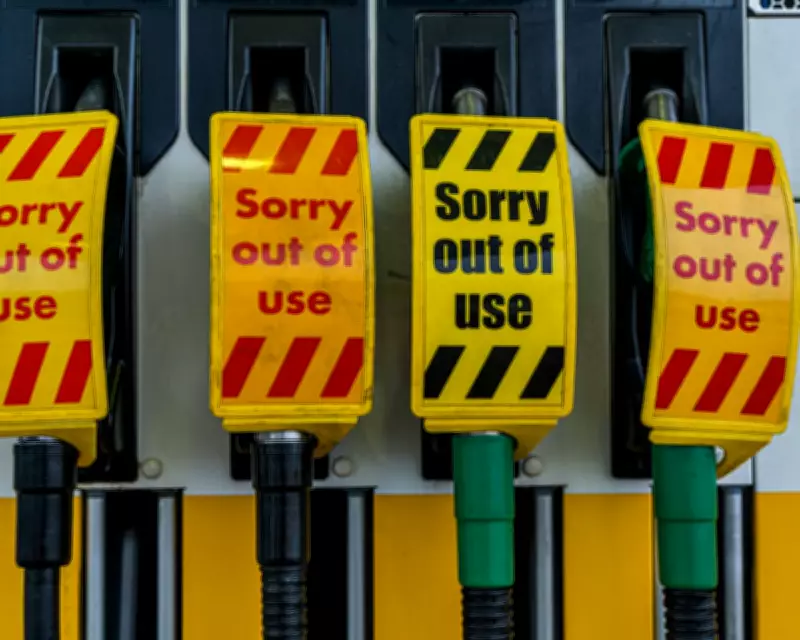
Britain faces the alarming prospect of petrol rationing within weeks, as the escalating conflict between the United States and Iran threatens to plunge the nation into a severe economic and political crisis. The Strait of Hormuz, a critical global shipping lane, has become increasingly perilous due to Iranian drones and mines, mirroring the dangerous conditions of the 1950s Suez crisis that once brought British traffic to a standstill.
Historical Parallels and Modern Peril
Seventy years ago, the formal introduction of petrol rationing limited drivers to just 200 miles per month, with only farmers, doctors, and vicars granted exceptions. Today, Nick Butler, a former BP executive and government adviser, has issued a stark warning: if the Strait of Hormuz cannot be reopened swiftly, Britain may be forced to implement similar drastic measures. The potential for panic buying looms large, driven by fears of impending shortages and reminiscent of the eerie quiet that once descended on London's streets.
Global Ripples and Domestic Consequences
Other nations are already taking extreme steps in response to the fuel crisis. Pakistan has closed schools and reduced government office hours to four days a week, Vietnam is urging widespread remote work, and Bangladesh has stationed soldiers at fuel depots while rationing supplies for motorcyclists. In Britain, the Resolution Foundation thinktank calculates that a sustained energy crisis could increase average household energy bills by £500, while inflating the cost of goods from food to clothing that rely on fossil fuels for production or transportation.

The political fallout could be equally severe, with populist movements likely to gain momentum from public resentment over rising living costs. Nigel Farage and Kemi Badenoch, who initially supported the conflict, may face scrutiny as "Trumpflation" impacts British households. Meanwhile, the Green party is positioning itself to capitalize on growing frustration with the perpetual cost-of-living crisis.
Government Dilemmas and Hard Choices
Chancellor Rachel Reeves has moved quickly to assist the 1.7 million rural households dependent on oil for heating, whose bills doubled almost overnight when hostilities began. She has also hinted at postponing a planned September fuel duty hike if petrol prices remain elevated. However, Reeves has indicated that future financial support will be targeted at lower earners rather than distributed universally, signaling tougher decisions ahead if the Gulf crisis persists.
The fundamental question facing policymakers is whether to prioritize immediate relief or long-term resilience. Investing in net zero initiatives, such as electric vehicles and heat pumps, could reduce dependence on volatile petrostates. Government modelling suggests that adhering to net zero targets would limit energy bill increases to just 4% during future oil shocks, compared to 59% in a high-carbon scenario. Yet, as Germany's experience with the Alternative für Deutschland demonstrates, pushing green transitions during crises can fuel political backlash.
Strategic Crossroads for Labour
Prime Minister Keir Starmer confronts a critical choice: should his government focus on cushioning citizens through frightening times or accelerate the transition to sustainable energy to build future resilience? With Reform UK attacking "lunatic green levies" and the Greens gaining traction, the political landscape grows increasingly volatile. Britain may not have sought conflict with Iran, but its economic aftershocks are arriving nonetheless, forcing leaders to navigate between offering shelter from the storm and attempting to ride the wind of change.