Trump's Golden Coin Sparks Controversy Ahead of US 250th Anniversary
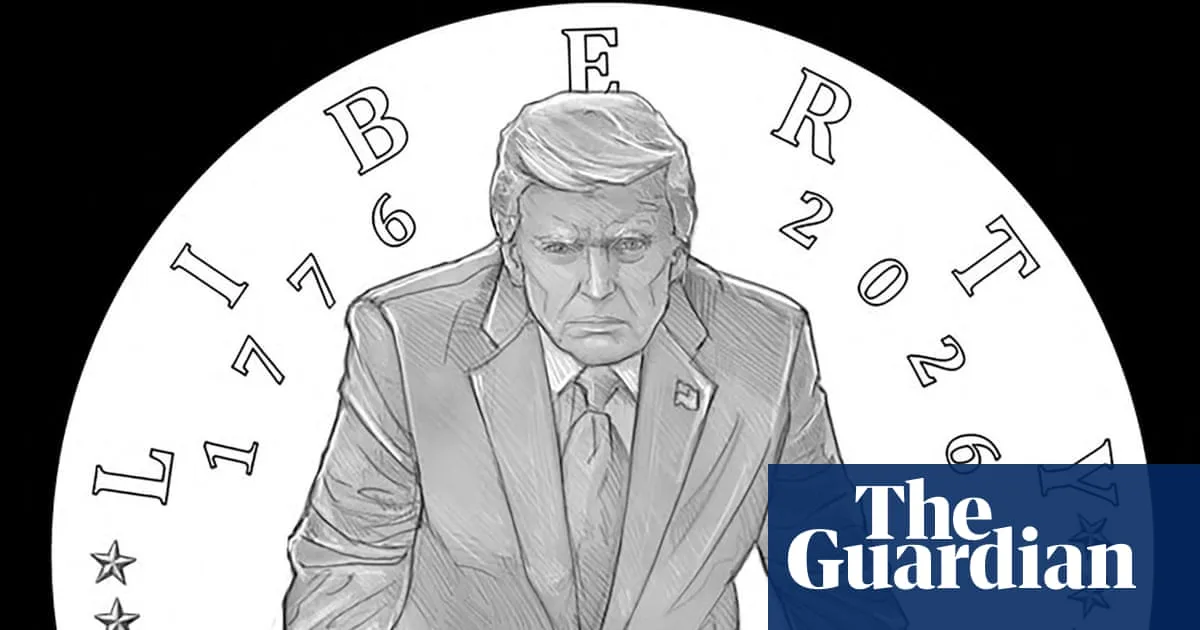
With fists clenched and a face etched with steely determination, Donald Trump aims to cement his legacy in American history through a lavish new commemorative coin. This striking portrayal, which may appear as a bold display of ego, is actually part of a federal initiative to celebrate the nation's 250th year of independence from Britain. The coin, expected to measure 3 inches (7.6 cm) in diameter and be cast in 24-carat gold, will prominently feature the US President's image, as approved by Trump himself.
A Presidential Push for Permanence
Commissioned by a federal arts panel whose members were appointed by Trump, this gold coin is one in a series planned by the US Mint to honour America's milestone anniversary. It adds to a growing list of efforts by Trump and his allies to imprint the President's name on various national symbols since his second term began in January 2025. These include buildings, government programmes, Navy warships, and US currency, reflecting a broader strategy to leave an indelible mark on the country's heritage.
When White House aide Chamberlain Harris was consulted on the coin's size, her response was unequivocal: "The larger the better." The US Mint, responsible for the nation's coinage, is now finalising the dimensions, with Treasury Secretary Scott Bessent poised to authorise its production. The design, based on a photograph displayed at the National Portrait Gallery in Washington, depicts a stern-looking Trump leaning over his desk, gazing ahead with resolve.
Democratic Backlash and Historical Precedents
Unsurprisingly, many Democrat Senators have voiced strong opposition to the coin. Senator Jeff Merkley criticised the move, stating, "Monarchs and dictators put their faces on coins, not leaders of a democracy." He added, "Trump's administration moving to put his face on a commemorative coin is his latest effort to distort the meaning of America's 250th birthday." This sentiment highlights concerns over the blurring of lines between democratic leadership and autocratic symbolism.
Donald Scarinci, a member of the bipartisan Citizens Advisory Committee—a separate federal panel that rejected the gold coin proposal last month—noted that this is not unprecedented. In 1926, marking 150 years since the Declaration of Independence, then-President Calvin Coolidge, a Republican, appeared on a commemorative coin. However, his profile was overlaid with an image of George Washington, a nuance absent in Trump's design. Scarinci pointed out that Trump's coin will differ significantly in size and will feature the President alone, raising questions about its appropriateness.
Legal Loopholes and Future Plans
Beyond the gold coin, Trump has proposed a $1 coin bearing his image for circulation this year. Scarinci warned that this would likely breach a law prohibiting the image of a sitting or former president on a dollar coin until three years after their death. However, a potential loophole exists: unlike the dollar coin, the gold version is intended as a collector's item, not for everyday use, which might circumvent certain regulations.
Scarinci emphasised that, under law, both his panel and the Commission of Fine Arts are required to approve the coin. Yet, he expressed scepticism, saying, "But we still fully expect them to plough ahead and mint both coins." This anticipation underscores the ongoing tension between presidential ambitions and democratic norms as the US approaches its 250th anniversary.
The controversy surrounding Trump's golden coin reflects deeper debates about legacy, power, and the symbols that define a nation. As preparations continue, it remains a poignant reminder of the intersection between politics and commemoration in modern America.