Donald Trump's Most Notorious Falsehoods: From Election Fraud to Autism Claims
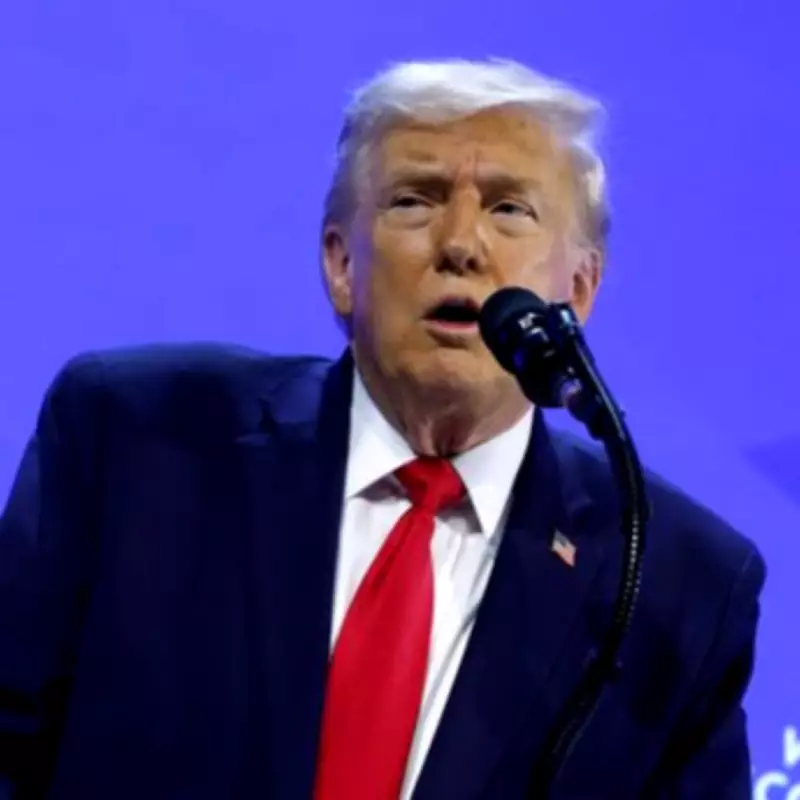
Donald Trump has been accused of making more than 30,000 false or misleading statements during his initial presidency alone, according to comprehensive fact-checking analyses. These range from baseless election fraud allegations to dangerous Covid-19 misinformation and vaccine conspiracy theories.
Pre-Political Career: A Pattern of Exaggeration
Long before entering politics, Donald Trump established a reputation for embellishment. His 1987 memoir, The Art of the Deal, ghostwritten by journalist Tony Schwartz, reportedly relied on what Trump termed "truthful hyperbole." Schwartz later described Trump as having a "loose relationship with the truth," noting his extraordinary ability to convince himself of his own statements regardless of evidence. This promotional strategy of exaggeration to capture attention became a hallmark of his business and media persona.
First Presidential Campaign: Embracing Conspiracy Theories
As Trump launched his political career, he swiftly embraced existing conspiracy theories. He was a prominent supporter of the "birther" conspiracy in the early 2010s, which falsely claimed President Barack Obama was not born in the United States. Trump even demanded Obama's birth certificate in 2011. During his 2016 campaign, he acknowledged Obama's Hawaiian citizenship but inaccurately accused Hillary Clinton of initiating the birth certificate controversy. That same year, he suggested without evidence that Rafael Cruz, father of opponent Ted Cruz, was implicated in President John F. Kennedy's assassination.

First Presidency: Unprecedented Volume of False Claims
Trump's presidency brought intensified scrutiny from media and fact-checkers. Analysis by the Washington Post revealed he averaged six false or misleading claims daily in his first year, escalating to approximately 39 per day by his final year. The database recorded over 30,000 such statements by the end of his first term, a volume commentators called unprecedented for an American president.
One contentious issue was the 2018 "zero tolerance" policy that separated migrant families at the Mexican border. Trump falsely claimed he inherited this policy from President Obama, but fact-checkers demonstrated that while separations occurred occasionally under previous administrations, they were not mandated by policy.
The Covid-19 pandemic prompted some of Trump's most controversial assertions. He declared the virus "under control" in January 2020, suggested it would disappear with warmer weather, and claimed "99 percent" of cases were "totally harmless." He also contradicted public health officials on mortality rates and testing. Former campaign chief Steve Bannon described their strategy as "flooding the zone" with continuous statements to maximize impact, with major publications increasingly labeling these claims as lies by mid-2019.
2020 Election and Aftermath: Baseless Fraud Allegations
Following his defeat to Joe Biden in the 2020 election, Trump persistently alleged the election was rigged or stolen, mobilizing supporters despite courts, election officials, and independent assessments finding no substantiation. These claims were later cited in criminal charges for attempting to overturn the election and undermine democracy.
Return to Presidency: Renewed Misinformation
Upon resuming office in 2025 after defeating Kamala Harris, fact-checkers again focused on Trump's statements. In July, he posted on social media about the Jeffrey Epstein case, falsely shifting responsibility for his links to political adversaries like Obama and Hillary Clinton. He also compared the "Epstein Files" to the Steele dossier, branding both "FAKE."
In a September speech, Trump promoted the unfounded theory that paracetamol (Tylenol) causes autism in unborn children, despite no evidence linking it to autism incidence. Health organizations countered that untreated fever during pregnancy poses greater risks. He further claimed the Amish population had "essentially no autism" due to avoiding vaccinations, though public health experts noted some Amish communities do participate in vaccination programs.

Later in his second administration, Trump asserted he ended eight wars in ten months, including situations international institutions regard as diplomatic disagreements, with some conflicts persisting despite ceasefire arrangements.