In a whirlwind 24-hour period, former US President Donald Trump has sparked controversy with a series of erratic actions, including a dramatic policy reversal, questionable fundraising tactics, and alleged illegal directives from his administration. The events have drawn sharp criticism and raised legal eyebrows across the political spectrum.
Trump's Humiliating U-Turn on UK Warships
Donald Trump has executed a stark reversal in his stance on international military support in the Middle East. Less than a week after dismissing the need for UK warships, declaring the conflict in Iran "already won," he has now appealed for British and other allied vessels to assist in policing the Strait of Hormuz.
In a recent Truth Social post, Trump wrote, "Many Countries, especially those who are affected by Iran's attempted closure of the Hormuz Strait, will be sending War Ships, in conjunction with the United States of America, to keep the Strait open and safe." This marks a significant climbdown from his earlier rhetoric, where he mocked Prime Minister Starmer for considering deployment.
He further urged nations like China, France, Japan, South Korea, and the UK to contribute naval assets, emphasizing the need for collective action despite previously claiming victory. This abrupt shift highlights the ongoing volatility in Trump's foreign policy approach.
Bombing Order and Interview Fallout
Trump announced the bombing of Kharg Island, Iran's primary oil export terminal, targeting military installations while sparing oil infrastructure for now. He warned that further interference in the Strait of Hormuz could lead to expanded strikes.
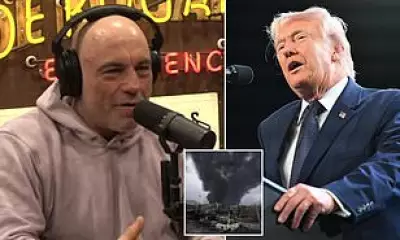
Intriguingly, this move came just hours after an interview with Fox News Radio host Brian Kilmeade, where Trump grew agitated when questioned about potential actions against the island. He dismissed the query as "foolish," yet proceeded with the attack shortly after, fueling speculation that media suggestions might influence his decisions.
Fundraising Scandal Involving Fallen Soldiers
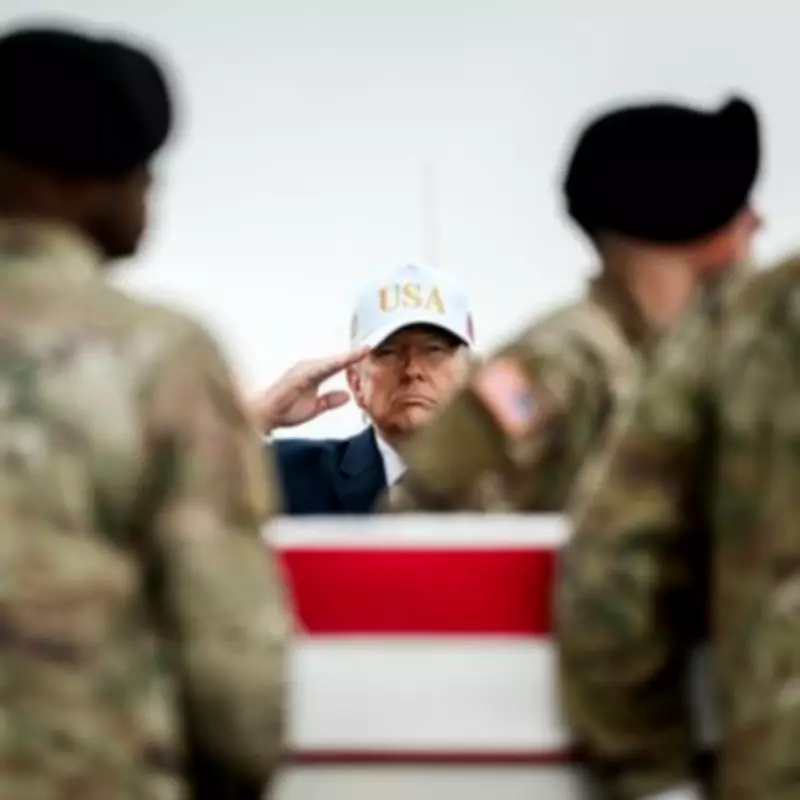
In a move that has drawn widespread disgust, Trump's Political Action Committee utilized an image from a ceremony honoring six US soldiers killed in the Iran war for a fundraising email. The email offered donors access to "private national security briefings," a tactic criticized as both distasteful and potentially illegal.
This incident follows prior accusations of disrespect, such as Trump wearing a golf cap during the solemn event. The use of fallen soldiers for financial gain has intensified calls for ethical scrutiny in political fundraising practices.
Illegal Order from Secretary of War
Secretary of War Pete Hegseth compounded the controversy by issuing a directive urging troops to show "no quarter, no mercy for our enemies." This statement is considered a war crime under international law, as it advocates killing rather than capturing adversaries.
Senator Mark Kelly quickly condemned the order on social media, reminding service members of their duty to disregard illegal commands. Hegseth's remarks have sparked legal debates and heightened concerns over adherence to military protocols in the Trump administration.
Broader Implications and Reactions
These events underscore the chaotic nature of Trump's leadership, with nicknames like "TACO" (Trump Always Chickens Out) emerging among critics to describe his frequent policy reversals. The combination of military missteps, ethical breaches, and legal violations has fueled bipartisan alarm.
As tensions in the Middle East persist, Trump's actions continue to reverberate globally, affecting diplomatic relations and military strategies. Observers warn that such unpredictability could destabilize international security efforts and erode trust in US leadership.