In a striking reversal, former President Donald Trump is now urging hesitant Republicans to renew a contentious surveillance measure that records conversations between American citizens and foreign nationals, despite his long history of opposing the practice. This development comes as the provision faces a critical deadline and internal party resistance.
The Controversial Surveillance Tool
The Foreign Intelligence Surveillance Act (FISA) includes a component known as Section 702, which permits the warrantless surveillance of non-citizens believed to be located outside the United States. However, in practice, this authority grants U.S. intelligence services access to communications involving Americans who are in contact with individuals abroad, raising significant privacy concerns.
Trump's Past Opposition and Current Shift
For years, Republicans have sought to block the renewal of Section 702 due to past abuses, notably its use to target Trump during his 2016 presidential campaign. The tool was employed to spy on members of his inner circle, leading Trump to vehemently criticize it. In April 2024, when Section 702 was up for renewal, he declared on social media, 'Kill FISA, it was illegally used against me, and many others. They spied on my campaign!'

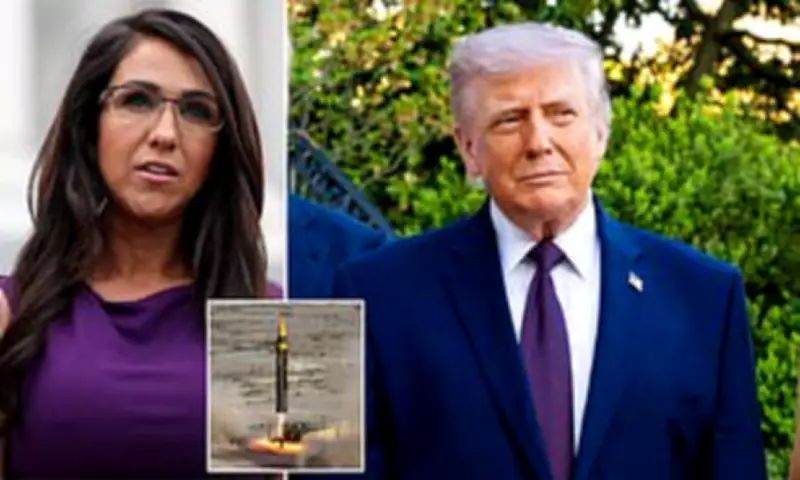
Now, Trump has altered his position, prodding conservatives who are wary of its extensive powers to support renewal, citing ongoing military operations. He wrote on social media, 'Our Military desperately needs FISA 702, and it is one of the reasons we have had such tremendous success on the battlefield, both in Venezuela and Iran.' He added that he has consulted with generals who consider it vital, especially amid current conflicts.
Political Dynamics and Opposition
Trump met with Speaker Mike Johnson at the White House on Tuesday to discuss the provision, which is set to expire on April 20 if Congress does not act. He stated, 'I am working very hard with our Great Speaker, Mike Johnson, along with Chairman Jim Jordan and Chairman Rick Crawford, to get a clean extension of FISA 702 through the House of Representatives this week.'
However, opposition within the Republican base remains strong and vocal. Kentucky Republican Thomas Massie posted on X, 'No FISA reauthorization without a warrant requirement for US citizens!' Congresswoman Lauren Boebert expressed her dissent, highlighting abuses: 'An NSA analyst used Section 702 surveillance powers to spy on Americans he met on a dating app. This is exactly the kind of abuse that happens when we hand unchecked power to the intel community. No more treating Section 702 like a personal Tinder search. GET. A. WARRANT.'
Tennessee Republican Andy Ogles has further claimed that FISA enables authorities to 'spy on nearly every influential conservative through the DOJ,' underscoring the deep-seated concerns about government overreach and privacy violations.
Implications and Future Outlook
The debate over Section 702 renewal highlights a broader tension between national security interests and civil liberties. As the deadline approaches, Trump's influence could sway some Republicans, but the significant opposition suggests a contentious legislative battle ahead. The outcome will have lasting implications for surveillance practices and the balance of power in U.S. intelligence operations.