Trump Administration Targets Coca-Cola Distributor in Landmark Discrimination Lawsuit
The Trump administration has launched a significant legal challenge against a Coca-Cola distributor, accusing it of workplace discrimination for hosting a women-only networking event. This lawsuit marks the first major action related to diversity, equity, and inclusion (DEI) policies under President Donald Trump's second term, highlighting a contentious shift in federal civil rights enforcement.
Details of the Women-Only Event and Allegations
Between September 10 and September 11, 2024, Coca-Cola Beverages Northwest Inc., a Japanese-owned distributor operating in the Northeast region, organized a networking retreat in Connecticut exclusively for 250 of its female employees. Attendees described the event as an empowering space where women could freely discuss their professional challenges and experiences.
However, the Equal Employment Opportunity Commission (EEOC), the federal agency responsible for investigating workplace discrimination, has now filed a lawsuit against the company. The EEOC alleges that by excluding male employees from this event, Coca-Cola Beverages Northeast Inc. violated Title VII of the Civil Rights Act, which prohibits discrimination based on sex.

The complaint states that the company acted with "malice or reckless indifference" toward the rights of male employees, denying them equivalent opportunities and benefits, such as subsidized lodging, food, and networking activities provided to female participants.
Political Context and Trump's Influence
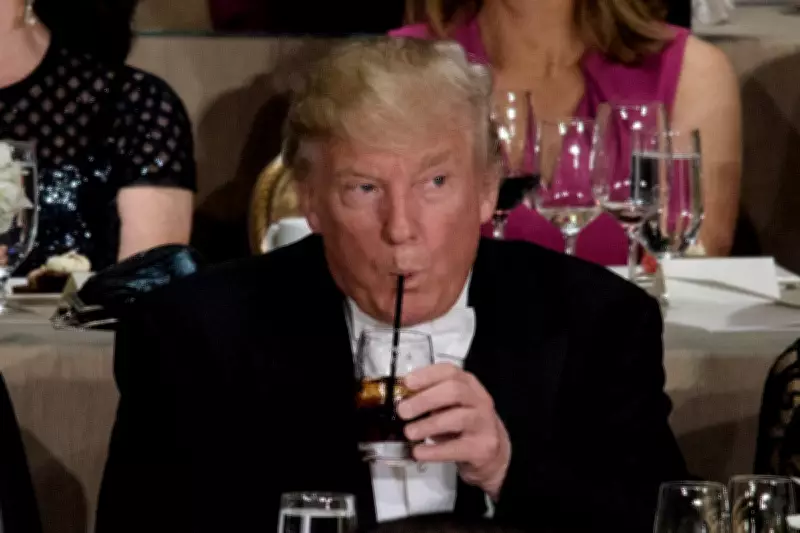
This lawsuit aligns closely with President Trump's publicly stated views on diversity policies. In a recent interview, Trump criticized affirmative action and similar initiatives, claiming they have unfairly disadvantaged white individuals. Upon taking office, one of his first executive actions was to dismantle DEI policies across the federal government, pledging to hold institutions and contractors accountable for such programs.
The EEOC's pursuit of this case reflects the agenda of its chair, Andrea Lucas, who was appointed by Trump in 2020. Lucas has actively encouraged white men to report workplace discrimination, emphasizing in social media posts that federal civil rights laws may offer them recourse for alleged biases.
Legal Proceedings and Broader Implications
In January 2025, shortly before Trump's inauguration, the EEOC determined there was "reasonable cause" to believe the Coca-Cola distributor had violated civil rights laws. The commission initially sought a conciliation agreement to resolve the issue without litigation, but negotiations failed by August 2025, leading to the current lawsuit.
The EEOC is now requesting a jury trial to award damages to the male employee who filed the complaint and other affected male staff. This case is bolstered by a 2025 Supreme Court ruling that made it easier for individuals from "majority" groups, such as white men, to succeed in discrimination lawsuits by lowering the legal threshold for proving discriminatory practices.
The outcome of this lawsuit could set a precedent for how workplace diversity events are structured and regulated in the future, potentially chilling similar initiatives aimed at supporting underrepresented groups. As the legal battle unfolds, it underscores the ongoing national debate over the balance between promoting inclusion and preventing reverse discrimination in corporate and governmental settings.