Trump Confronts Voter Anger Over Rising Gas Prices Amid Iran Conflict
Less than a week into joint U.S.-Israeli airstrikes against Iran, President Donald Trump is already facing a wave of frustration from American consumers as gas prices climb at the pump. Voters who supported Trump in the 2024 election, drawn by his pledges to reduce living costs and steer clear of foreign entanglements, are now witnessing a starkly different reality unfold.
Broken Promises and Rising Costs
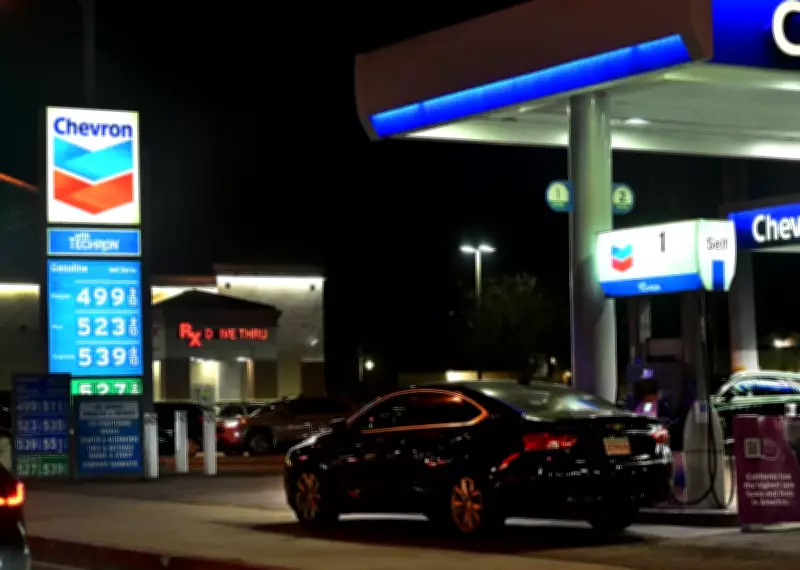
In his State of the Union address just last month, Trump boasted about significant declines in gas prices, claiming they had fallen below $2.30 per gallon in most states and even as low as $1.85 in some areas. He contrasted this with the peak of over $6 per gallon under his predecessor, framing it as a major achievement. However, the recent military actions in Iran have triggered retaliatory strikes and disrupted global oil supplies, leading to a rapid increase in fuel costs.
According to the American Automobile Association, the average U.S. gas price rose from $2.975 on February 24, the day of Trump's speech, to $3.198 by March 4. Fuel data site GasBuddy predicted on X (formerly Twitter) that prices could surge by 10 to 30 cents per gallon over the next two weeks, citing ongoing geopolitical events as a key driver. "Heads up, drivers: You may see gas prices increase soon," the site warned, highlighting how oil price hikes directly impact what consumers pay at the pump.

Consumer Reactions and Political Fallout
Drivers across the country are already feeling the pinch. New Jersey bartender Kelly Sharp expressed her disappointment to USA Today, stating, "He promised to bring prices down, but he never did. They're going up. I'm mad at him and a lot of the things he's doing." Similarly, Colorado Uber driver Mario Pinzon linked the price spike directly to the Middle East conflict, noting, "Until a month ago, gasoline was affordable for everyone. But because of what's happening in the Middle East, gasoline prices have had to go up."
Some Americans, like biker Benny Acosta, are turning to cost-saving measures, such as using motorcycles to mitigate refuelling expenses. Acosta explained, "I got me a full tank for $6. This is why I ride the bike." Meanwhile, Trump acknowledged at an Oval Office meeting that prices would be higher "for a little while" but predicted they would ultimately fall lower than before once the conflict concludes.
Expert Warnings and Political Implications
Susan Bell, senior vice president at Rystad Energy, told USA Today that consumer anxiety typically spikes when gas prices exceed $3.50 per gallon. "We're not quite there yet, but we could get close in the next couple of weeks," she cautioned. This rising cost of refuelling could pose a significant political challenge for Trump, especially with midterm elections approaching later this year.
Democrats have been quick to capitalize on the issue, framing it as another broken promise from the president. Colorado Rep. Jason Crow posted on X alongside a graph showing the price spike, declaring, "Gas prices are going up. Trump's war in Iran is making your life more expensive." Minnesota Gov. Tim Walz echoed this sentiment, warning, "Week one and Trump's war is hitting pocket books," with similar criticisms from California Gov. Gavin Newsom and senators like Ruben Gallego and Mark Warner.
The situation underscores a growing disconnect between Trump's campaign rhetoric and the economic realities faced by American voters, as geopolitical tensions in the Middle East continue to influence domestic fuel costs and consumer sentiment.