Trump Rejects Bipartisan Deal to End DHS Shutdown, Airport Chaos Persists
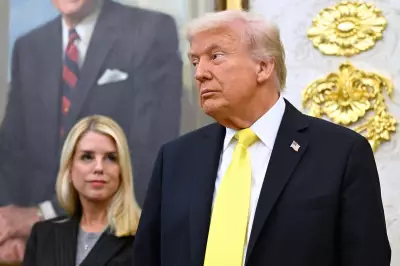
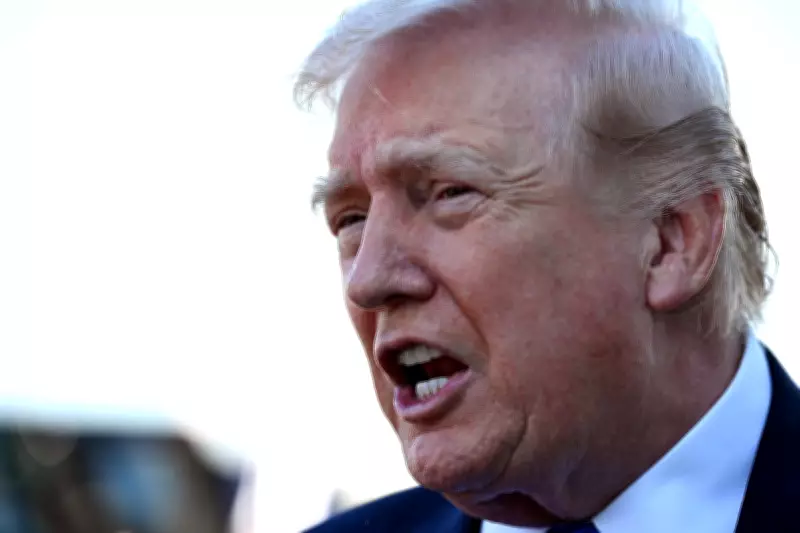
Donald Trump has firmly rejected a proposed bipartisan agreement to reopen the Department of Homeland Security and alleviate the severe airport delays crippling American travel, according to a Republican senator closely allied with the president. The refusal stems from Trump's anger over Democratic opposition to a voter ID bill and funding for his mass deportation agenda, effectively torpedoing efforts to resolve the ongoing crisis.
Shutdown Stalemate and Airport Turmoil
The Department of Homeland Security has been in shutdown mode since February, as Democrats have withheld votes to authorise Immigration and Customs Enforcement funding unless specific reforms to immigration enforcement are implemented nationwide. These reforms include requiring judicial warrants for ICE searches and ending roving enforcement operations.
This impasse has plunged the nation's airports into turmoil, with Transportation Security Administration agents going unpaid, leading to widespread sick calls and resignations. Consequently, security lines at major airports have stretched to hours long, causing significant disruptions for travellers. The deteriorating situation has prompted growing discomfort in Congress, with senators from both parties seeking an exit strategy from the deadlock.

Proposed Deal and Presidential Veto
On Monday, Senator John Kennedy revealed that Donald Trump rejected a potential off-ramp supported by himself and Senator Ted Cruz. The Democrats had offered to reopen all DHS components except ICE, a proposal that garnered unexpected backing from these conservative Republicans. Kennedy explained the framework: "The Democrats offered to open up everything but ICE. Ted [Cruz] and I said, 'Ok, let's accept their offer,' and then at the same time we would offer a bill through reconciliation, where we don't need any Democratic votes to do whatever we wanted to do with ICE. That way we're out of the shutdown and DHS is back open."
However, Trump unequivocally dismissed the proposal. Kennedy stated, "We submitted that, [Senate Majority Leader John] Thune submitted that to President Trump. As is his right, [Trump] said, 'No. No deals with the Democrats.'" He added, "So we're back to square one."
Political Fallout and Escalating Crisis
Kennedy's account provides Democrats with ammunition to blame the White House for the prolonged shutdown and its impact on travellers. Airports in cities including Houston, Atlanta, New York, and Baltimore are reporting critical TSA staffing shortages as Congress approaches another soft deadline on March 31, when thousands of federal workers will miss another paycheck.
Simultaneously, the situation may anger Democratic voters, who might perceive their party as enabling Republican immigration objectives while attempting to mitigate political fallout. This echoes previous instances where Senate Democrats retreated from demands during shutdown confrontations.
Trump's obstruction is not new, but Kennedy's confirmation marks the first explicit evidence of the president actively sabotaging a specific congressional attempt to reopen DHS. For weeks, Trump has vowed to block any legislation over the Senate's failure to pass the SAVE Act, a voter ID bill opposed by all Democrats and one Republican, Senator Lisa Murkowski of Alaska.
Reconciliation Path and Practical Challenges
Kennedy's plan involved reopening most of DHS through a deal with Democrats, while authorising ICE funding via a budget reconciliation measure requiring a simple Senate majority. This tactic was used last year to pass the "Big, Beautiful Bill," which included funding for ICE and Trump's deportation program. However, Senate rules limit reconciliation to strictly budget-related matters, and some lawmakers doubt Republicans could pass such a bill even with a lower vote threshold.
Mounting Travel Disruptions and Ineffective Measures
With no resolution in sight, security screening delays are worsening. Reports indicate wait times of three to four hours, with airports in New Orleans and Atlanta experiencing TSA call-out rates exceeding 40 percent. Hartsfield-Jackson Atlanta International Airport and Houston airports have warned of four-hour lines, while LaGuardia Airport has suspended wait time estimates altogether following a fatal crash.

Frustrated travellers are bearing the brunt. One individual in Houston lamented, "My flight leaves in 16 minutes. I got up at 3 a.m.," during a live broadcast at 10:00 a.m. The White House's weekend announcement to deploy ICE agents to airports has proven ineffective, as these agents lack proper training for security roles. Photos and videos from Monday show ICE agents patrolling while lengthy security lines remain unaddressed, highlighting the deepening crisis.