Trump's AI-Generated Jesus Image Ignites Blasphemy Controversy
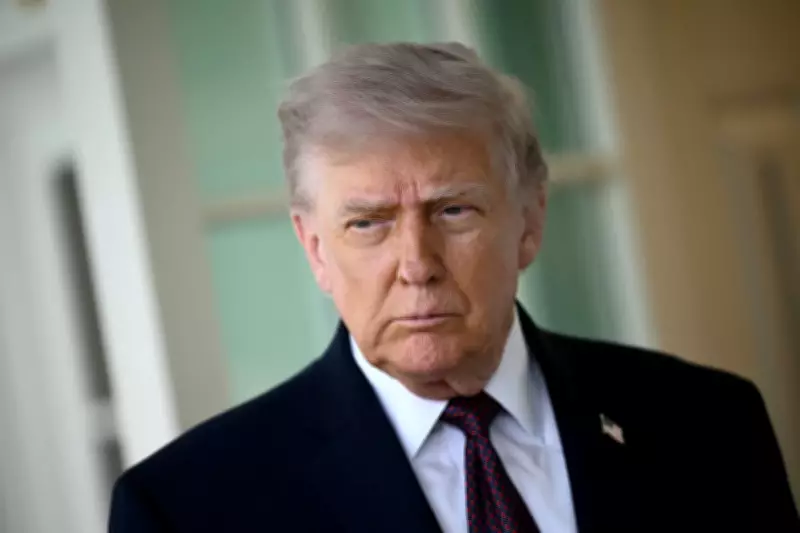
Donald Trump has sparked a significant religious controversy by posting an AI-generated image on his Truth Social platform. The image depicted him in white robes, appearing to heal a man, which many viewers interpreted as a portrayal of himself as a Messianic Jesus figure. This move has drawn sharp criticism from conservative Christian groups, who have denounced it as blasphemous.
Deletion and Denial from Trump
Following widespread backlash, Trump deleted the image and issued a statement claiming he believed it showed him as a doctor, not Jesus. He dismissed the interpretation as fake news, attempting to downplay the religious implications. However, this explanation has done little to quell the outrage among religious communities.
Christian Groups Condemn the Image
Organizations such as CatholicVote.org have labeled the image as outrageous blasphemy. Prominent figures within these groups have called for Trump to seek forgiveness, arguing that the depiction shows contempt for sacred matters. Historically, blasphemy in Christianity includes actions like posing as Jesus or asserting divine powers, which this image is seen to embody.

Expert Analysis on Blasphemy and Intent
A religion expert has weighed in on the controversy, noting that intent is a crucial factor in defining blasphemy, especially in a secular context. The expert highlighted that Trump's past mocking declaration of Praise be to Allah was considered blasphemous by Muslim groups, illustrating how similar actions can cross religious boundaries. If Trump's post was intended to suggest he is Jesus, then Christians are entitled to view it as blasphemous, regardless of his later denials.
Broader Implications for Religious Discourse
This incident raises important questions about the intersection of politics, technology, and religion. The use of AI to create such imagery adds a modern twist to age-old debates about blasphemy and respect for religious symbols. As secular societies grapple with these issues, the expert emphasizes that understanding intent and context is key to navigating accusations of blasphemy in diverse communities.