White House Escalates Legal Battle Over Food Stamp Funding
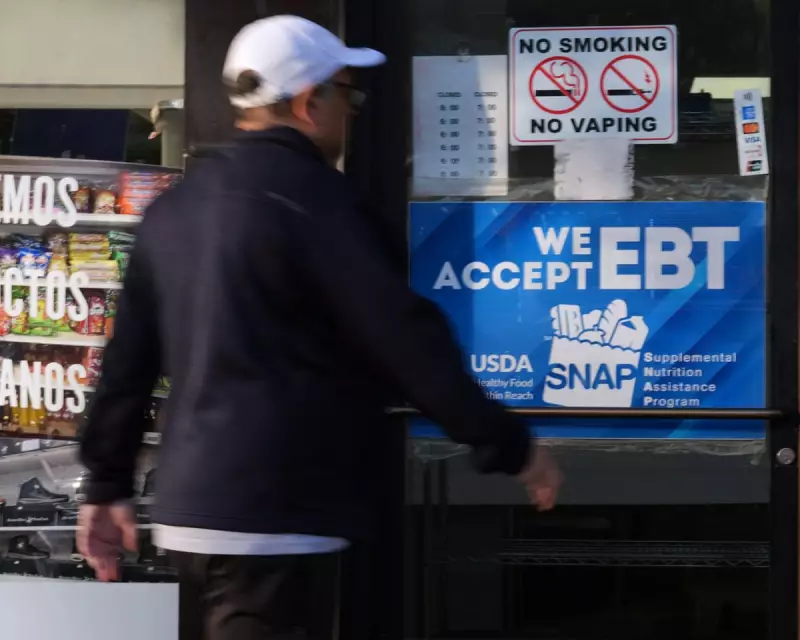
The Trump administration has urgently turned to the US Supreme Court in a dramatic attempt to halt full food stamp payments, following a series of legal defeats in lower courts. This development comes after a federal appeals court rejected the administration's request to block a judge's order requiring the distribution of November's complete Supplemental Nutrition Assistance Program (SNAP) benefits.
Legal Timeline and Ruling Details
On Friday, administration officials suffered a significant setback when a federal appeals court ruled they must fully fund SNAP food aid payments. The court denied the government's emergency request to block an order from US District Judge John J McConnell Jr, who had given the Trump administration until Friday to make November's payments through the programme.
The legal confrontation stems from the administration's announcement last month that it would not pay SNAP benefits for November due to the ongoing federal government shutdown. Initially, officials stated they would cover only half of the benefits, later increasing this to 65%, before judges in separate rulings ordered the government to pay at least part of the benefits using an emergency fund.
Broader Implications and Related Developments
The outcome of this legal battle carries enormous consequences for the nearly 42 million Americans who rely on SNAP to put food on their tables. Meanwhile, the government shutdown has dragged consumer sentiment in the United States to a near record low in November, according to a monthly survey conducted by the University of Michigan.
In other significant legal matters, US District Court Judge Karin Immergut, who was nominated to the bench by Trump during his first term, issued a final order barring the president from sending the national guard to Portland. Judge Immergut ruled that Trump's claims about conditions in Portland resembling a war zone were simply untethered to the facts.
Simultaneously, the Supreme Court is considering taking up a case that could challenge the legality of same-sex marriage across the country. This follows their ruling that the Trump administration can block transgender and non-binary people from selecting passport sex markers that align with their gender identity.
In international developments, the US has granted Hungary a one-year exemption from sanctions over Russian oil and gas after Prime Minister Viktor Orbán pressed his case during a meeting with Donald Trump in Washington. The Trump administration has also announced it will boycott the G20 summit in South Africa, citing treatment of white farmers - a move that has surprised the South African government.
Domestically, protests against the Trump administration's policies continue to grow, with students, faculty and staff at more than 100 campuses across the US rallying against what organisers describe as an assault on higher education. These represent the first in a planned series of nationwide, coordinated protests that aim to culminate in large-scale strikes.