Labour MP Tom Hayes: Personal Experience Drives Fight Against Two-Child Limit
When Labour MP Tom Hayes speaks about child poverty in Parliament, his words are not abstract political rhetoric. They are deeply personal, rooted in the memories of his own childhood and the enduring impact on his mother.
The Lingering Guilt of Poverty
Hayes reveals that his mother still sends him apologetic messages whenever he discusses poverty publicly, carrying a quiet guilt that he insists is misplaced. "The blame belongs to the uncaring right-wing politics of my childhood," he writes, emphasising that poverty transcends financial hardship to embed shame and stigma that "stay with you forever."
He criticises Conservative and Reform Party approaches for failing to grasp this psychological dimension. "Poverty isn't just about what's in your bank account. It's about the shame, the stigma, and the sense that you're somehow to blame," Hayes asserts, drawing from lived experience.

Policy Shift: Scrapping the Two-Child Limit
Hayes highlights a significant change initiated by the Labour government: the abolition of the two-child benefit limit, announced by Chancellor Rachel Reeves in the recent Budget. He argues this policy had previously sent a damaging message that some children matter less and some families are on their own, exacerbating hardship.
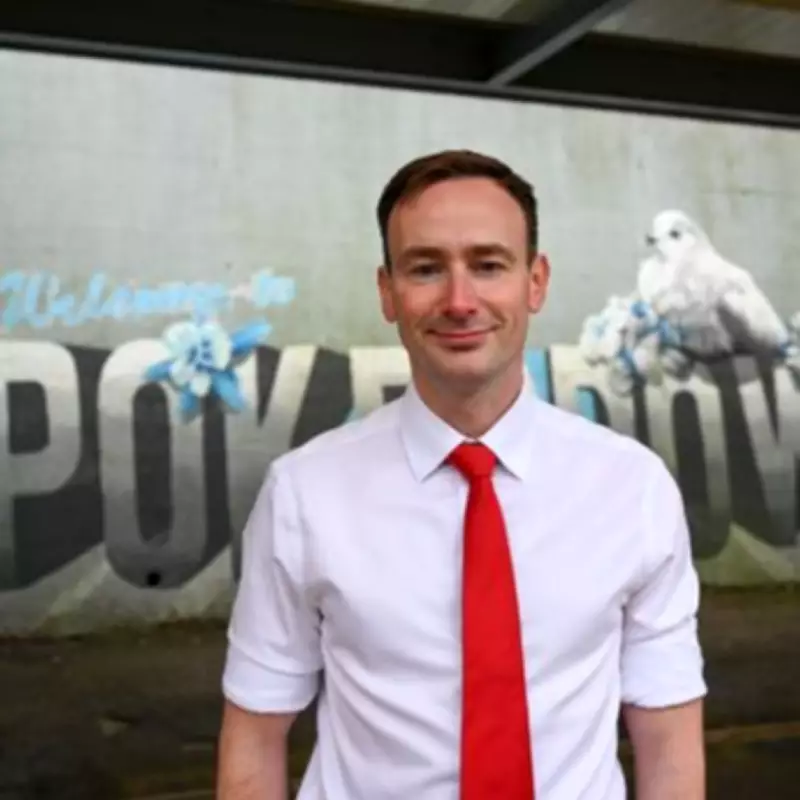
The MP for Bournemouth East outlines the tangible impacts:
- Nearly half a million children lifted out of poverty nationally.
- Approximately 3,000 children in Bournemouth alone removed from poverty.
- Most beneficiaries are from working families, where parents "are doing exactly what they're told is the right thing."
"This is what real action on the cost of living looks like," Hayes states. "Not gestures. Not rhetoric. But decisions that put money back into people's pockets and give children a fair start." He connects this to broader Labour efforts, including higher wages, lower bills, and enhanced support for essentials.
Political Threats and a Line in the Sand
However, Hayes warns that this progress is under immediate threat. The Conservatives and Reform Party have explicitly stated they would reinstate the two-child limit, which he describes as a "cruel child poverty pact" that could push hundreds of thousands of children back into hardship.
He condemns what he sees as a return to divisive rhetoric, accusing opponents of insinuating that struggling families are at fault and that support should be rationed based on perceived deservingness. "I know where that leads. I've lived it," Hayes reflects, noting it results in parents blaming themselves and children facing limited opportunities.
Ending the two-child limit represents a definitive line in the sand for Hayes, marking a commitment to tackle rather than entrench child poverty. "No child chooses the circumstances they're born into. But politicians do choose what kind of country they build," he concludes, affirming the Labour government's stance on supporting families without judgment.