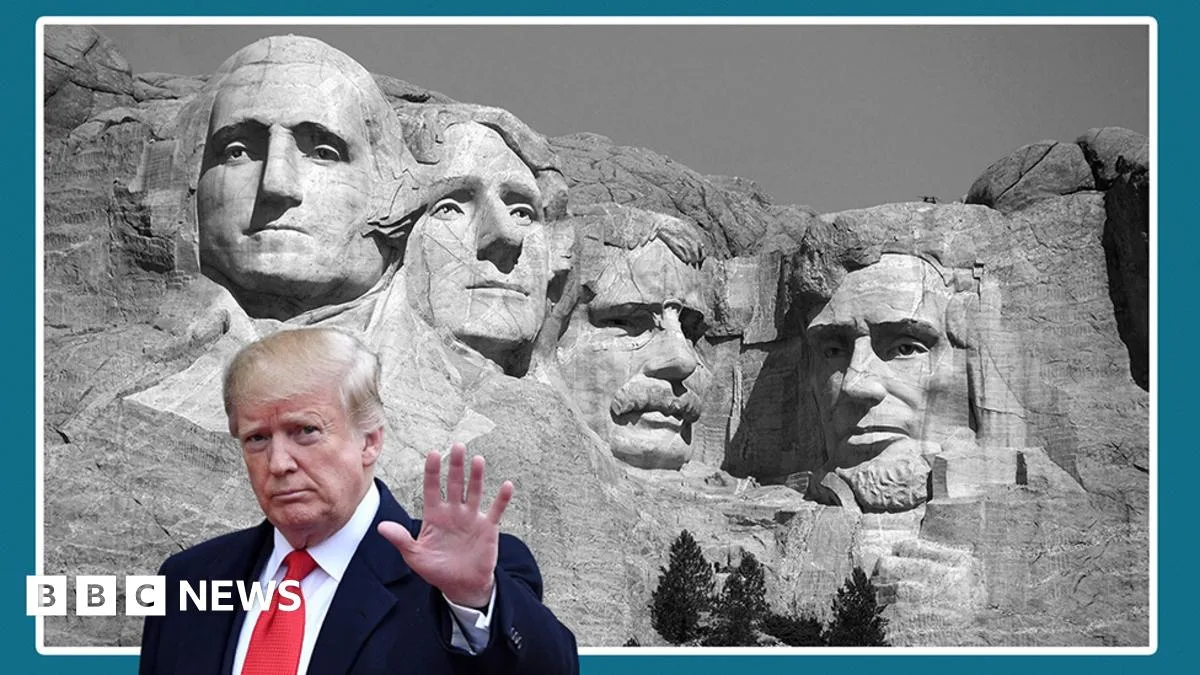
As Donald Trump's presidency ends at noon on Wednesday, historians assess a legacy marked by division, misinformation, and an assault on democratic norms. Matthew Continetti of the American Enterprise Institute notes Trump will be remembered as the first president impeached twice, culminating in the 6 January Capitol riot, which he incited by feeding the myth of a stolen election.
Continetti highlights Trump's embrace of the alt-right, his mishandling of the 2017 Charlottesville protest, and the rise of right-wing extremism and conspiracy theories during his tenure. Had he conceded peacefully, Trump might have been seen as a disruptive but consequential populist, credited with economic growth, reorienting US policy toward China, removing terrorist leaders, revamping the space program, securing a conservative Supreme Court majority, and authorising Operation Warp Speed for a COVID-19 vaccine.
Laura Belmonte of Virginia Tech points to Trump's attempt to retreat from global leadership, damaging America's international reputation. She cites his 2018 Helsinki press conference siding with Vladimir Putin over US intelligence, withdrawal from the Paris climate accord and the Iran nuclear deal, and alignment with authoritarian leaders like Turkey's Erdogan, Brazil's Bolsonaro, and North Korea's Kim Jong Un. Trump also downplayed human rights, omitting LGBT equality from State Department reports.

Kathryn Brownell of Purdue University emphasises Trump's unprecedented test of American democracy, convincing millions of his fabricated version of events. The Capitol riot, she says, will dominate historical assessments, akin to Watergate for Nixon. She recalls Kellyanne Conway's introduction of 'alternative facts' early in the administration, noting that while presidents have long manipulated media, Trump's approach was uniquely corrosive.