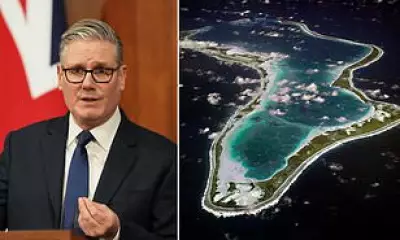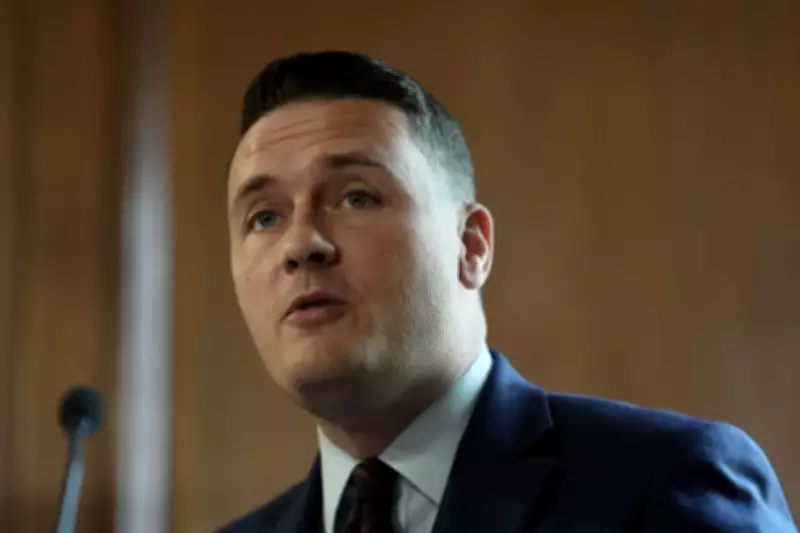
Wes Streeting Sparks Labour Civil War Over Welfare Cuts for Defence Boost
Health Secretary Wes Streeting has ignited a potential civil war within the Labour Party by becoming the first senior cabinet minister to publicly call for cuts to the UK's £334 billion benefits budget to fund increased defence spending. This controversial move risks reopening deep divisions on welfare reform that previously forced Prime Minister Sir Keir Starmer into a humiliating policy reversal.
Growing Alarm Over Defence Spending Delays
The intervention comes amid mounting concern about Sir Keir Starmer's failure to finalise the UK's defence spending strategy, with the crucial Defence Improvement Plan remaining stalled on his desk for months. This paralysis follows protracted disagreements between the Treasury and Ministry of Defence over funding allocations and priorities.
In a stark assessment of the situation, former Chief of the Defence Staff Lord Jock Stirrup has warned that Britain requires a full decade to rebuild its military capabilities properly. He has urgently called for Sir Keir to demonstrate leadership by initiating reinvestment immediately, highlighting the deteriorating state of defence infrastructure and preparedness.

Streeting's Controversial Position
Mr Streeting, who is widely understood to be positioning himself as a potential successor to Sir Keir, told LBC radio that "the money has to come from somewhere" when questioned about funding defence enhancements. He explicitly stated: "We want to reduce the welfare budget" when asked if he supported redirecting funds from benefits expenditure.
The Health Secretary's comments align with earlier statements from Labour's former defence secretary and ex-NATO secretary general George Robertson, who warned that the military cannot be properly financed alongside an "ever-expanding welfare budget." Lord Robertson had previously accused the government of displaying "corrosive complacency" regarding defence matters.
Treasury Resistance and Union Opposition
Despite these calls, Chancellor Rachel Reeves's Treasury department continues to resist significant increases to defence expenditure, including blocking a proposed deal for UK troops to serve as peacekeepers in Ukraine. Mr Streeting acknowledged this resistance, stating that future budget decisions rested with the Chancellor and adding: "I want to make sure I stay in my lane."
Meanwhile, Unite - one of Labour's largest financial backers and most influential unions - has demanded greater defence investment while rejecting welfare cuts as the funding mechanism. General Secretary Sharon Graham declared: "It is completely wrong to suggest that caring for the most vulnerable is risking national security."
Ms Graham argued that as the world's sixth wealthiest nation, Britain should introduce a wealth tax rather than "attack the most vulnerable in society yet again." She emphasised that defence workers represent a "strategic national asset" whose skills must be preserved through UK-based contracts for projects including new Typhoon jets, the Skynet satellite system, and A400M transport planes.
Broader Implications and Political Fallout
This controversy reopens painful divisions within Labour that emerged before summer when Sir Keir was forced to abandon attempted welfare reductions following furious backlash from backbench MPs. Mr Streeting has carefully noted that health spending remains protected due to manifesto commitments, making welfare the apparent target for potential savings.
The Health Secretary's intervention highlights the growing pressure on the government to address what military leaders describe as an overstretched and under-equipped armed forces facing unprecedented global challenges. With the Defence Improvement Plan still delayed and internal disagreements persisting, this debate over funding sources threatens to destabilise Labour's unity on social policy while testing its commitment to national security priorities.